

Editorial fashion styling is defined as the deliberate process of selecting, preparing, and arranging garments and accessories to build a visual narrative within a photograph. It is not decoration. Every piece on set serves the story, the mood, or the emotional tone the creative team is building. Understanding how styling works in editorial shoots means grasping that wardrobe choices carry the same weight as lighting, composition, and casting. The best editorial stylists treat clothing as a visual language, and every look they build is a sentence in that story.
How styling works in editorial shoots: the core process
Editorial styling begins long before anyone steps on set. The stylist’s job is to translate a concept, whether it is a magazine feature, a fashion campaign, or a creative portfolio piece, into a fully realized wardrobe. Shoot scale varies widely, from intimate 3-person studio sessions to productions with 20 or more crew members running across multiple days. That range means a stylist must adapt their preparation process to the size and ambition of each project.
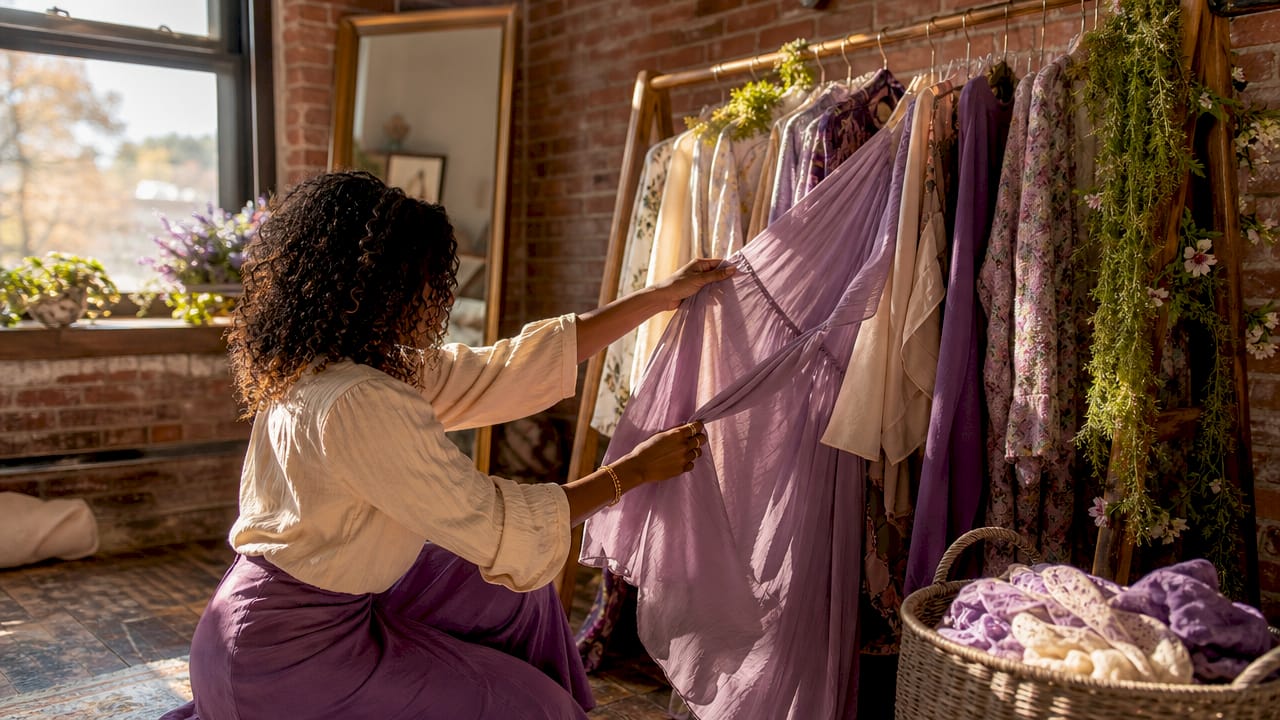
The core process follows a clear sequence: concept development, mood board creation, garment sourcing, fitting, and on-set execution. Each phase builds on the last. A stylist who skips the concept phase ends up with beautiful clothes that say nothing. A stylist who skips the fitting phase ends up with beautiful clothes that don’t fit the model or the camera frame. Precision at every stage is what separates a strong editorial from a forgettable photoshoot.
Most editorial shoots are self-funded creative collaborations where team members contribute their time voluntarily. That reality makes preparation even more critical. When no one is getting paid, wasted time on set damages relationships and kills momentum fast.
What are the essential pre-shoot styling preparations?
Pre-shoot preparation is where editorial styling is won or lost. The most effective tool at this stage is the mood board. A curated mood board of 10–20 images covering lighting references, color palettes, poses, and wardrobe direction gives the entire team a shared visual language before anyone arrives on set. Fewer images keep the concept tight. More images create confusion.
Strong pre-shoot preparation covers these areas:
- Garment selection: Choose pieces based on the editorial narrative, not personal taste. Every item must earn its place in the story.
- Full look planning: Build complete looks including shoes, accessories, and backup options. Never arrive with only one version of a look.
- Garment condition: Steam every piece. Visible wrinkles under studio lighting require careful transport in dedicated garment bags to preserve shape and prevent flaws.
- Undergarment planning: Select flesh-tone seamless underwear matched to the model’s skin tone. White garments photograph as gray on camera, creating visual distractions that are difficult to fix in post.
- Team coordination: Share the mood board and wardrobe direction with hair, makeup, and photography teams before shoot day.
Understanding common wardrobe mistakes at this stage prevents costly errors on set and keeps the creative vision intact.
Pro Tip: Edit your mood board ruthlessly. If an image does not directly support the concept, remove it. A focused mood board of 12 images communicates more clearly than a sprawling collection of 40.
How do stylists use clothing and accessories to tell a story?
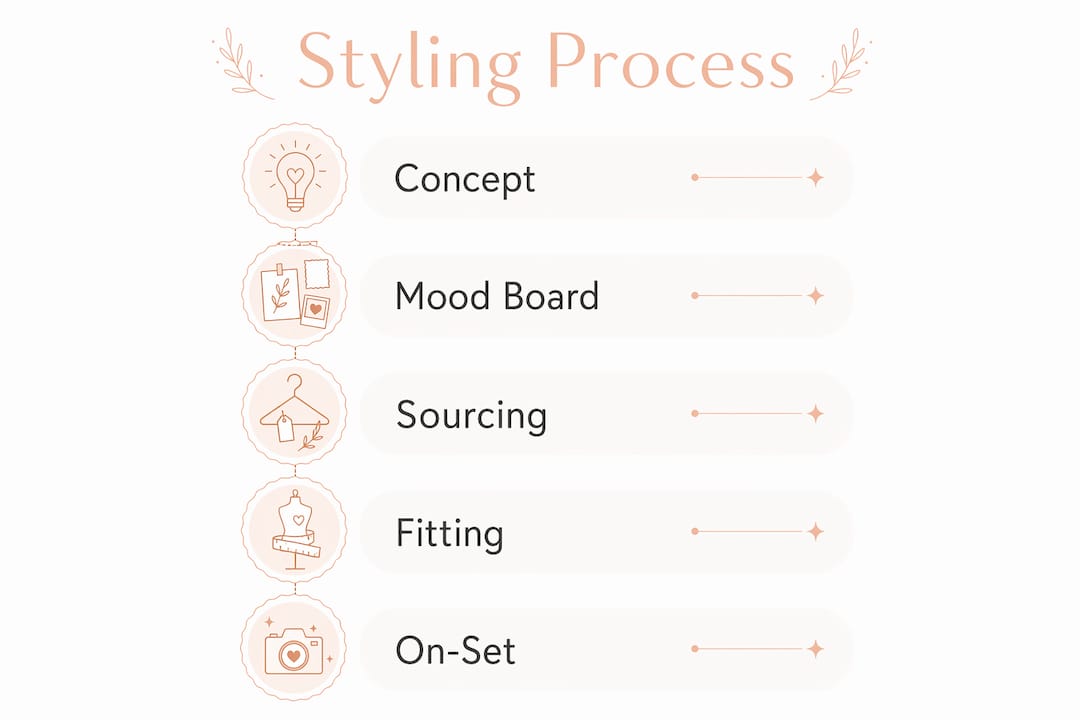
Editorial styling favors intentional clashing over matching. Pairing a structured menswear blazer with a delicate silk gown creates visual tension. That tension is what makes an image feel alive rather than catalog-flat. The goal is never to make the model look pretty. The goal is to make the viewer feel something.
Garment choices communicate through several distinct channels:
- Silhouette: Structured tailoring reads as authority and control. Fluid draping reads as freedom or vulnerability. Mixing both in one look creates narrative complexity.
- Texture: Rough against smooth, matte against shine. Textural contrast adds depth that flat color alone cannot achieve.
- Color palette: Muted, desaturated tones suggest melancholy, restraint, or nostalgia. High-contrast, saturated colors project energy and boldness. The palette choice should match the emotional register of the concept.
- Accessories: A single statement accessory can reframe an entire look. A chain necklace worn against a raw-edged jacket shifts the tone from industrial to refined. Accessories function as punctuation marks within the visual sentence.
Consider a shoot built around the concept of duality. The stylist might dress one model in a crisp white shirt with a floor-length tulle skirt, then layer a worn leather jacket over the top. Each piece contradicts the others. Together, they tell a story about contradiction itself. That is editorial styling working at its best.
Pro Tip: Think carefully about undergarments for every look. A seamless, skin-tone base layer protects the aesthetic integrity of sheer or light-colored garments and keeps the camera’s attention exactly where the concept demands.
How does collaboration with the creative team enhance editorial styling?
Editorial styling does not happen in isolation. The stylist’s wardrobe choices only land correctly when they align with the photographer’s lighting plan, the makeup artist’s color story, and the art director’s overall vision. Briefing hair and makeup teams on the narrative and color story before they arrive accelerates shoot day workflow and keeps every department pulling in the same direction.
Effective collaboration on an editorial shoot involves:
- Pre-shoot briefings: Share the mood board and a written concept summary with every department head at least 48 hours before the shoot.
- Photographer alignment: Discuss how each look will be lit and framed. A garment with intricate back detail is wasted if the photographer plans only front-facing shots.
- Art director check-ins: The art director holds the macro vision. Regular check-ins prevent the stylist from pursuing a direction that conflicts with the publication’s or client’s expectations.
- On-set communication: Call out potential issues early. A fabric that reads beautifully in person may flatten under a specific light setup. Catching this in the first test frame saves time.
Strong team communication also speeds up problem solving when things go wrong, and things always go wrong on set. A zipper breaks. A garment does not fit the model as expected. A backup look that seemed secondary suddenly becomes the hero shot. Stylists who communicate clearly and stay calm under pressure are the ones who get called back for the next project.
What logistical challenges do stylists face during editorial shoots?
On-set logistics are the unglamorous side of editorial styling, and they matter enormously. Managing garment condition, timing, and wardrobe changes across a full shoot day requires the same level of preparation as the creative work.
-
Garment care under studio lighting. Studio lights are hot and unforgiving. Steaming garments and transporting them in dedicated garment bags is non-negotiable. A wrinkled hem or a crushed collar can derail an entire look.
-
Detail adjustments on set. Professional stylists spend up to 20 minutes adjusting small details like sleeve folds or fabric drape because minor shifts can significantly alter the emotional tone of a photograph. This is not perfectionism. It is craft.
-
Backup pieces. Every look needs a backup. Garments tear, stain, and misbehave. A stylist who arrives with only one version of each look is one accident away from losing the shot.
-
Undergarment management. Selecting the right base layer for each model and each look is a technical decision. Flesh-tone seamless options protect the visual integrity of the final image.
-
Time management. Multiple looks across a single shoot day require a clear schedule. Assign realistic time blocks to each look change, and build buffer time into the plan. Rushed wardrobe changes produce sloppy results.
Pro Tip: Label every garment bag and accessory pouch by look number before you arrive on set. When the shoot is moving fast and the photographer is waiting, you need to find the right piece in under 30 seconds.
Building a trend-proof wardrobe checklist mindset also helps stylists source pieces that photograph well across multiple concepts, reducing the need for last-minute sourcing.
Key Takeaways
Editorial styling is a craft built on narrative intention, meticulous preparation, and real-time collaboration, and every detail from garment selection to undergarment choice directly shapes the final image.
| Point | Details |
|---|---|
| Mood boards anchor the concept | Curate 10–20 focused images to align the full creative team before shoot day. |
| Clashing beats matching | Intentional garment contrast creates visual tension that makes editorial images feel alive. |
| Logistics protect the creative work | Steam garments, use garment bags, and bring backup pieces to every shoot. |
| Collaboration speeds up execution | Brief hair, makeup, and photography teams on the concept at least 48 hours in advance. |
| Details change the emotional tone | Small adjustments to fabric drape or sleeve position can shift the mood of an entire frame. |
What I’ve learned from years of watching editorial styling up close
The detail that most aspiring stylists underestimate is patience. Watching a skilled stylist spend 15 minutes adjusting the fall of a single sleeve looks excessive from the outside. From inside the frame, it changes everything. The difference between a sleeve that hangs naturally and one that is precisely placed is the difference between a snapshot and an editorial image.
The second thing I’ve noticed is that versatility in storytelling style is what separates stylists who build real careers from those who plateau early. A stylist who can only execute one aesthetic, say, dark and moody minimalism, will find their opportunities narrow quickly. The stylists who get called for the biggest projects are the ones who can shift from romantic softness to sharp urban tension to sun-drenched maximalism without losing their editorial instincts.
Relationships matter more than most people admit. Versatility and relationship-building are the two factors that most consistently open doors to major shoots. The photographer who loved working with you on a small self-funded project is the same person who will recommend you when a paid campaign comes through. Treat every shoot, regardless of budget, as a professional audition.
The last thing worth saying is this: the best editorial stylists are not the ones with the largest wardrobe budgets. They are the ones who understand that wardrobe versatility and a clear concept will always outperform expensive pieces without a story behind them.
— Patrick
Editorial styling inspiration from Wildflowerwardrobe
Aspiring stylists need reliable sources for pieces that photograph well and carry genuine visual impact. Wildflowerwardrobe offers a curated collection of women’s clothing, accessories, and jewelry that translates naturally into editorial contexts.
Statement accessories are often the fastest way to shift a look’s tone on set. The Starburst Gold-Plated Earrings and Necklace Set from Wildflowerwardrobe adds structured shine that reads clearly on camera, while the Fame Multi Belt Strap Accent Shoulder Bag brings textural contrast to any look. For versatile wardrobe pieces that work across multiple editorial concepts, the women’s casual wear collection at Wildflowerwardrobe is a practical starting point for building a shoot-ready wardrobe.
FAQ
What is editorial styling in fashion photography?
Editorial styling is the practice of selecting and arranging garments and accessories to tell a visual story within a photograph. It prioritizes narrative and emotional tone over simple aesthetic appeal.
How do stylists prepare for an editorial shoot?
Stylists create a focused mood board of 10–20 images, source and steam garments, plan complete looks with backups, and brief the full creative team on the concept before shoot day.
Why does intentional clashing work in editorial styling?
Pairing contrasting pieces, such as structured tailoring with fluid gowns, creates visual tension that makes images feel dynamic and concept-driven rather than flat or commercial.
How long does it take to adjust styling details on set?
Professional stylists spend up to 20 minutes adjusting a single detail like a sleeve fold or fabric drape, because small positional shifts can significantly change the emotional tone of a frame.
What undergarments should models wear for editorial shoots?
Models should wear flesh-tone seamless underwear matched to their skin tone. White undergarments photograph as gray on camera and create visual distractions that undermine the intended look.
0 comments