

A trench coat is a versatile, timeless outerwear piece that combines functional weather protection with enduring style, making it one of the most reliable wardrobe essentials a woman can own. Originally developed for British Army officers during World War I, this garment was engineered to solve real problems: rain, wind, and cold. Over a century later, it solves the same problems while looking effortlessly polished. Understanding why trench coats are wardrobe staples means looking at both the engineering behind them and the cultural staying power that keeps them relevant in 2026 and beyond.
Why trench coats are wardrobe staples: the functional case
The trench coat’s staying power starts with its fabric. Thomas Burberry invented gabardine, a tightly woven, breathable, and waterproof material specifically designed for wet British climates. That single innovation gave the trench coat a practical foundation that most outerwear still cannot match for everyday use. Gabardine is durable enough to outlast seasonal trends and comfortable enough to wear from September through April without feeling like you are wrapped in a rain slicker.
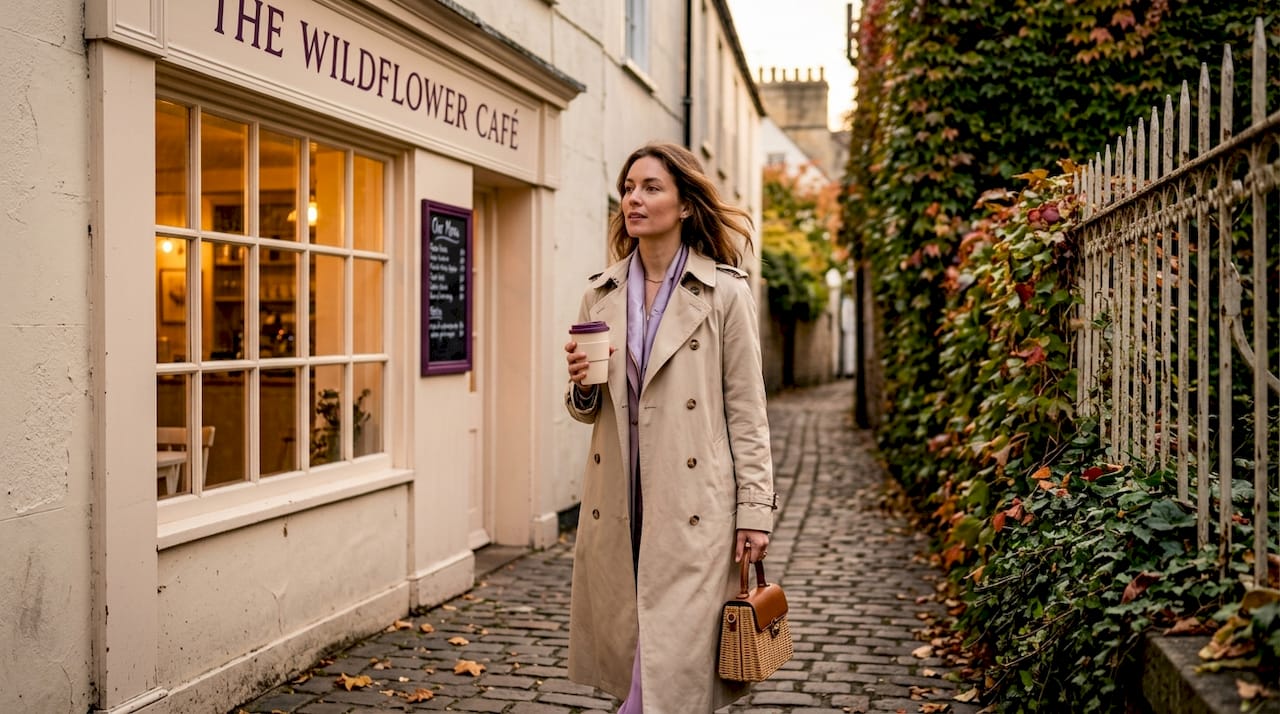
Beyond the fabric, the original design packed in a remarkable number of functional details. Classic trench features include double-breasted fronts, storm flaps, belted waists, epaulettes, cuff straps, and deep pockets. Each element was designed for a specific purpose: the storm flap channels water away from the chest, the belt cinches the coat to prevent wind from entering, and the epaulettes originally held military insignia. These details were not decorative afterthoughts. They were solutions to real weather and comfort challenges, which is exactly why they have persisted.
Trench coat benefits in everyday wear come down to three practical realities:
- Weather adaptability. Most trench coats are water-resistant for light rain, making them ideal for the unpredictable weather that defines spring and fall. They are not designed for heavy downpours, but they handle the drizzle and wind that defines most urban days.
- Layering capacity. The relaxed cut of a classic trench accommodates a chunky knit, a blazer, or a lightweight sweater underneath without pulling or bunching. This makes it genuinely useful across a wider temperature range than most single-purpose coats.
- Durability over time. A well-constructed trench coat in quality gabardine or a comparable water-resistant fabric will outlast dozens of fast-fashion alternatives. The functional design elements like storm flaps and belted waists are built to hold up, not just look good on a hanger.
Pro Tip: If you wear your trench in light rain regularly, re-treat the fabric with a DWR (durable water repellent) spray once a season. This restores the water-resistant finish and extends the coat’s life significantly.
How to style a trench coat for any occasion
Trench coat versatility is not a marketing claim. It is a structural reality. The neutral color palette that defines classic trenches, including camel, beige, black, and navy, means the coat works as a neutral layer over almost any outfit. 2026 trends specifically emphasize relaxed fits and neutral palettes, confirming that the trench coat’s traditional design language aligns perfectly with what is current right now.
Here are four outfit frameworks that demonstrate the coat’s range:
- Casual weekend. Pair a camel trench over straight-leg jeans, a white tee, and white sneakers. Belt the coat loosely for a relaxed, off-duty look. Add a canvas tote and you have an outfit that works for a farmers market, a coffee run, or a gallery visit.
- Business professional. Layer a belted black trench over a tailored pantsuit or a pencil skirt and blouse. The structured silhouette reads as polished without requiring a separate blazer. This is the outfit that makes you look like you planned everything.
- Smart casual evening. Throw a trench over a slip dress and ankle boots. The contrast between the utility of the coat and the femininity of the dress creates visual interest without effort. This pairing works for dinner, a show, or a date.
- Transitional layering. In early spring or late fall, wear the trench over a lightweight turtleneck and wide-leg trousers. This is where the coat’s layering capacity earns its keep, providing warmth without bulk.
The belt is the single most powerful styling tool on a trench coat. Tied at the front creates a relaxed, Parisian feel. Buckled at the waist creates a sharper, more structured silhouette. Left open entirely reads as effortlessly cool. One coat, three distinct looks, zero additional purchases. Learning how to create outfits around a trench coat is one of the highest-return styling skills you can develop.
Why the trench coat has outlasted every fashion trend
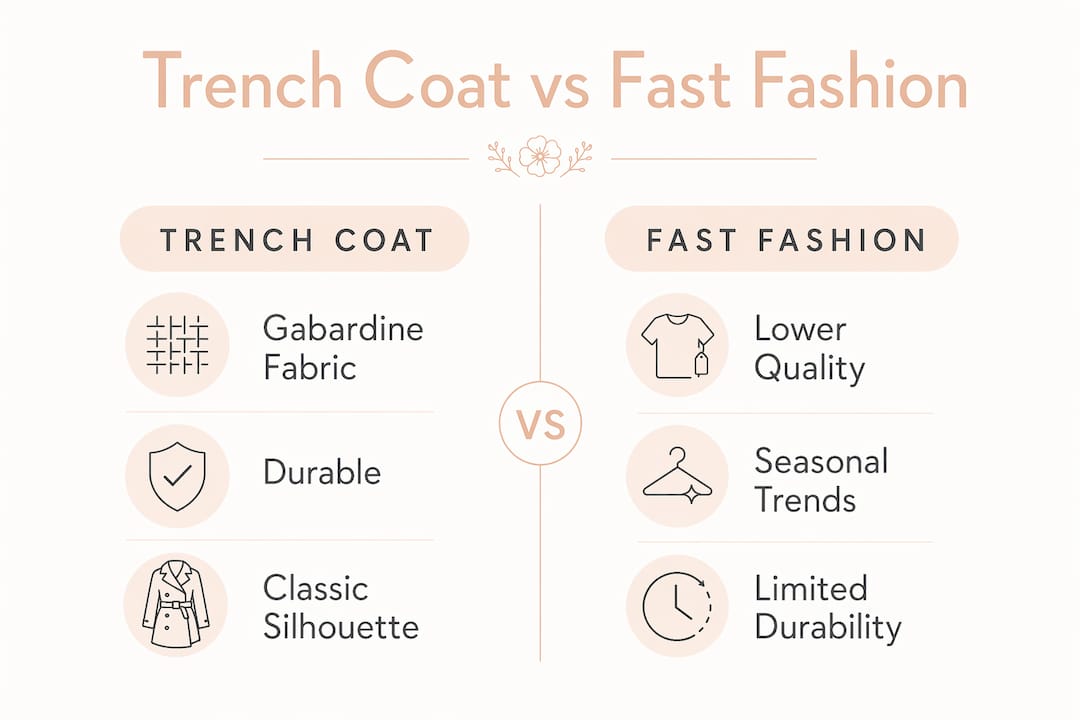
The trench coat’s cultural longevity is not accidental. Its military origins gave it an iconic silhouette that carries authority and elegance simultaneously. When Humphrey Bogart wore one in Casablanca and Audrey Hepburn wore one in Breakfast at Tiffany’s, the coat absorbed their cultural weight. It became associated with sophistication, independence, and a certain effortless cool that no trend cycle has managed to erase.
Fashion editorials consistently frame trench coats as investment pieces rather than seasonal purchases. That framing matters because it changes how you think about cost per wear. A quality trench coat worn 80 days a year for ten years costs a fraction of a cent per wear. A fast-fashion alternative worn ten times before it loses its shape costs exponentially more per use.
| Feature | Trench coat | Fast-fashion alternative |
|---|---|---|
| Fabric quality | Gabardine or water-resistant weave | Polyester blends, minimal weather protection |
| Design lifespan | 10 to 20+ years with care | 1 to 3 seasons |
| Styling range | Casual to formal, all seasons | Trend-specific, limited pairing options |
| Cost per wear | Decreases significantly over time | Remains high due to short lifespan |
The history of Burberry’s trench coat illustrates this perfectly. The same coat that outfitted polar explorers and wartime officers now appears on runways and street-style accounts without modification. That is not nostalgia. That is functional design that has never needed to be replaced. Understanding how to invest in classic wardrobe staples starts with recognizing which pieces carry this kind of design integrity.
What to look for when buying a trench coat that lasts
Choosing a trench coat that functions as a true wardrobe essential requires looking past the surface. The construction details that made the original design work are the same ones that separate a coat worth buying from one that will disappoint you in six months.
Focus on these features when evaluating any trench coat:
- Storm flap. A properly constructed storm flap sits across the chest and back yoke to redirect water. If the flap is purely decorative and not stitched to function, the coat will not perform in real weather.
- Belt quality. The belt should be made from the same fabric as the coat body, with a functioning D-ring or buckle. Thin, flimsy belts break quickly and undermine the coat’s silhouette.
- Pocket construction. Deep, functional pockets with flap closures are a mark of quality construction. Shallow or purely decorative pockets signal cost-cutting elsewhere in the build.
- Fabric weight and weave. Gabardine remains the gold standard, but quality water-resistant cotton blends perform well. Avoid lightweight polyester shells that feel papery. They will not hold their shape or provide meaningful weather protection.
- Fit through the shoulders. The shoulder seam should sit exactly at your shoulder point. A trench coat that pulls across the back or gaps at the chest will never look right, regardless of how you style it.
Expert buying advice consistently emphasizes replicating the original moisture-management logic: storm flap, well-made belt, and pocket flaps are the non-negotiable details. 2026 seasonal wardrobe essentials guides reinforce that the classic trench silhouette remains the most versatile outerwear investment available.
Pro Tip: Try your trench coat on with the thickest layer you plan to wear underneath, whether that is a chunky knit or a blazer. The coat should close comfortably without pulling. If it fits perfectly over a thin shirt but strains over a sweater, size up.
Neutral colors are worth prioritizing for maximum versatility. Camel and beige work with warm and cool tones alike. Black is the most formal option and pairs with everything. Understanding why neutral colors matter in a curated wardrobe makes the case for avoiding trendy colorways that will feel dated in two seasons. A trench coat in a classic neutral is a piece you will reach for without thinking, which is exactly what a wardrobe staple should be.
Key takeaways
A trench coat earns its place as a wardrobe staple because its functional engineering, neutral design, and cultural longevity make it the single most adaptable outerwear piece available to women today.
| Point | Details |
|---|---|
| Functional fabric matters | Gabardine and water-resistant weaves provide real weather protection, not just aesthetic appeal. |
| Design details are not decorative | Storm flaps, belted waists, and cuff straps were engineered for performance and still deliver it. |
| Styling range is unmatched | One trench coat covers casual, professional, and evening looks through belt adjustments alone. |
| Investment value is real | A quality trench worn regularly costs far less per wear than fast-fashion alternatives over time. |
| Construction signals quality | Storm flap function, belt fabric, and pocket depth separate lasting coats from short-lived ones. |
The trench coat is the one piece I never second-guess
I have styled a lot of outerwear over the years, and the trench coat is the only piece I have never once regretted recommending. Not because it is the most exciting thing in a wardrobe, but because it is the most reliable. It is the coat you grab when you do not know what the weather will do. It is the layer that makes a thrown-together outfit look intentional. That kind of quiet utility is genuinely rare in fashion.
What I find most underappreciated about the trench is how much work the belt does. Most women either buckle it tightly or leave it hanging, but the real styling power is in the knot. A loose, asymmetrical front knot transforms the coat from structured outerwear into something that reads almost like a fashion statement on its own. I have seen this single adjustment take an outfit from forgettable to memorable.
The other thing I would push back on is the idea that a trench coat is a spring-only piece. Layered over a wool turtleneck and worn with knee-high boots, it works well into winter in most climates. Paired with classic scarves for added warmth, it covers transitional weather better than almost any dedicated seasonal coat. The women who get the most out of their trench are the ones who stop treating it as a single-season item and start treating it as a year-round tool.
— Patrick
Find your perfect trench coat at Wildflowerwardrobe

Wildflowerwardrobe carries a curated selection of outerwear and women’s casual wear designed for women who want fashion that works as hard as they do. Whether you are looking for a classic camel trench, a sleek black option, or a relaxed-fit style that layers beautifully, the collection is built around pieces that combine modern trends with lasting elegance. Beyond trench coats, you will find complementary accessories, jewelry, and wardrobe essentials that pair naturally with your new outerwear investment. Browse the full collection at Wildflowerwardrobe and build a wardrobe that earns its keep every season.
FAQ
What makes a trench coat a wardrobe staple?
A trench coat qualifies as a wardrobe staple because its neutral colors, classic silhouette, and weather-resistant construction make it suitable for casual, professional, and transitional wear across multiple seasons. No other single outerwear piece covers as many occasions or styling combinations.
Are trench coats waterproof?
Most trench coats are water-resistant rather than fully waterproof, making them ideal for light rain and wind but not heavy downpours. For heavy rain, a dedicated technical waterproof jacket is a better choice.
What fabric should a quality trench coat be made from?
Gabardine, the tightly woven breathable fabric invented by Thomas Burberry, is the traditional and most durable option. Quality water-resistant cotton blends are a strong alternative, while lightweight polyester shells offer minimal weather protection and shorter lifespan.
How do you style a trench coat for different occasions?
Belt the coat loosely over jeans and sneakers for casual wear, buckle it firmly over a blazer or pencil skirt for professional settings, and layer it open over a slip dress for evening outings. The belt adjustment alone shifts the coat’s formality level significantly.
Is a trench coat worth the investment?
A trench coat built with quality construction and classic design details is one of the highest-return wardrobe investments available. Worn regularly over several years, the cost per wear drops to a fraction of what fast-fashion alternatives cost over the same period.
Recommended
- How to invest in classic wardrobe staples that last – Wildflower Wardrobe
- Build a trend-proof wardrobe with the right checklist – Wildflower Wardrobe
- Everyday wardrobe essentials women need for stylish versatility – Wildflower Wardrobe
- Denim’s Role in Classic Wardrobes: A Style Guide – Wildflower Wardrobe
0 comments