

You have a full closet and still nothing to wear. Sound familiar? Learning to create outfits for every occasion is less about buying more clothes and more about working smarter with what you already own. The real skill is building a system: repeatable formulas, versatile pieces, and a clear understanding of what each occasion actually calls for. This guide gives you exactly that. From casual weekend plans to black-tie events, you will walk away knowing how to dress with intention every single time.
Table of Contents
- Key takeaways
- Building your wardrobe before creating outfits
- Outfit formulas for every occasion
- Accessories and shoes that complete the look
- Common mistakes when dressing for different occasions
- How to verify your outfit before the event
- My take on outfit formulas and personal style
- Discover your next favorite outfit at Wildflowerwardrobe
- FAQ
Key takeaways
| Point | Details |
|---|---|
| Start with wardrobe staples | Build around neutral, versatile pieces that mix and match across multiple outfit formulas. |
| Use outfit formulas | Repeatable combinations like trousers plus blazer plus tee remove daily guessing and simplify dressing. |
| Accessories change everything | Swapping shoes or jewelry can shift the same outfit from casual to polished in minutes. |
| Know the dress code | Cocktail and black-tie events have specific fabric and length rules that most women misread. |
| Test before the event | A mirror check or outfit photo helps you catch fit, balance, and comfort issues before it matters. |
Building your wardrobe before creating outfits
You cannot build great outfits from a chaotic closet. Before you start mixing and matching, you need a clear picture of what you actually own and whether it works together.
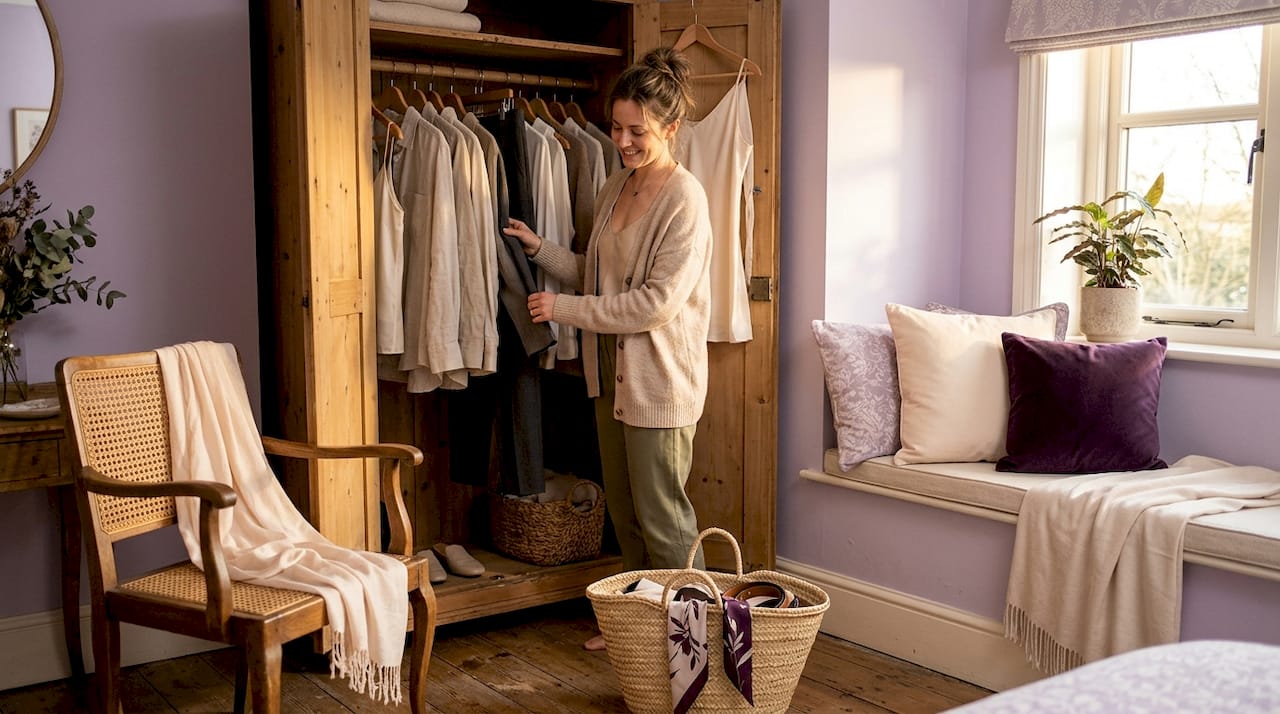
Start with a closet audit. Pull everything out, try pieces on, and ask two questions: Does this fit well right now? Does it work with at least three other things I own? If the answer to either is no, it goes.
Once you know what stays, look for gaps. A strong foundation includes:
- Neutral bottoms: Black trousers, dark denim, and a camel or beige midi skirt
- Layering pieces: A tailored blazer, a fine-knit cardigan, and a structured jacket
- Versatile tops: White button-down, fitted ribbed tee, and a silk or satin blouse
- Footwear basics: White sneakers, block-heeled pumps, and ankle boots
- Accessories: One quality shoulder bag, simple gold or silver jewelry, and one statement piece
Classic wardrobe staples allow a cohesive and timeless wardrobe adaptable to many occasions. The key is investing in quality over quantity, especially for pieces you reach for constantly.
Neutral colors are your best friend here. When your foundational pieces share a neutral palette, everything pairs with everything. You stop second-guessing combinations and start building with confidence.
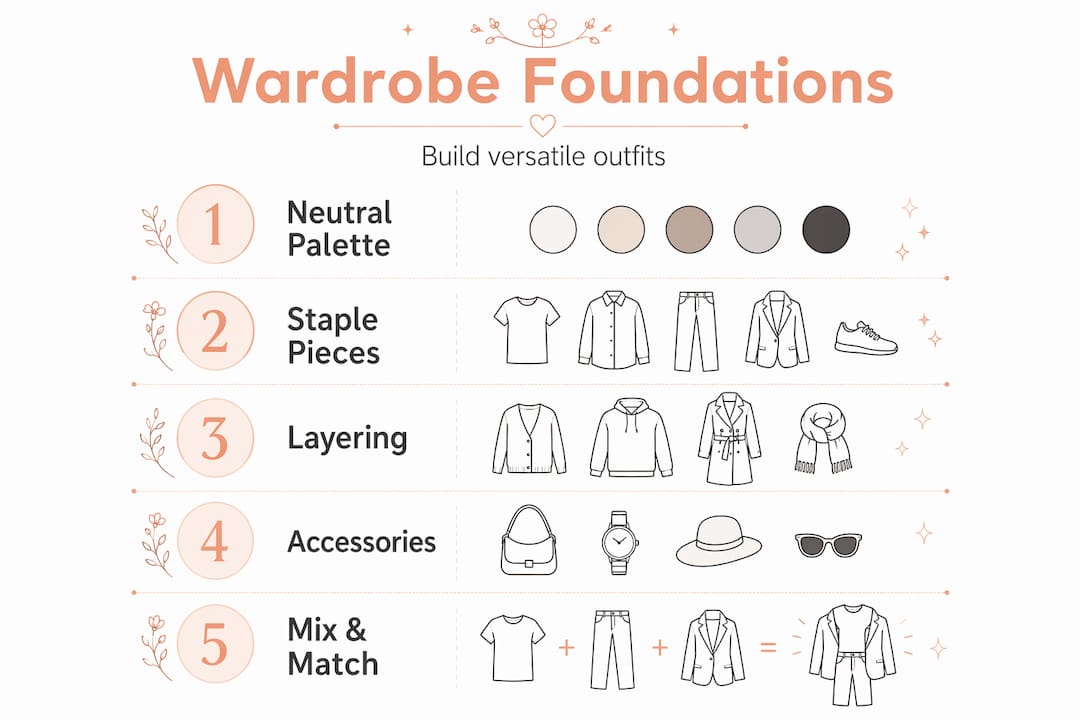
Pro Tip: The 3-2-1 styling rule is worth memorizing: 3 tops, 2 bottoms, 1 layer, and 2 statement accessories creates 30 or more distinct looks. That is not a wardrobe problem. That is a math problem you have already solved.
Here is a quick reference for fabric choices by occasion:
| Fabric | Best for | Avoid for |
|---|---|---|
| Cotton, linen | Casual, daytime | Formal events |
| Crepe, satin | Cocktail, work | Casual weekends |
| Velvet, chiffon | Evening, formal | Outdoor daytime |
| Denim, jersey | Casual, weekend | Black-tie, cocktail |
Outfit formulas for every occasion
An outfit formula is a repeatable structure: a specific combination of clothing types that works across seasons and events when you swap in different pieces. Think of it as a template, not a rigid rule.
Customizable outfit formulas that adapt to your life context and body work far better than rigid style rules. Here are five formulas that cover the full range of occasions:
- Casual daytime: Straight-leg jeans plus a fitted tee plus white sneakers plus a crossbody bag. Add a denim jacket or oversized cardigan for cooler weather.
- Business casual: Tailored trousers plus a silk blouse plus a structured blazer plus block-heeled pumps. Swap the blazer for a fine-knit sweater on relaxed office days.
- Quiet luxury: Oversized knit sweater plus slim trousers plus loafers. This silhouette-focused formula looks expensive through proportion alone, not labels.
- Cocktail event: Knee-to-midi dress in satin, crepe, or velvet plus strappy heels plus minimal jewelry. Cocktail attire means polished fabrics and thoughtful accessories, not necessarily a mini dress.
- Black-tie: Floor-length gown or an evening jumpsuit in premium fabric plus elegant heels plus one statement accessory. Black-tie dress code strictly calls for floor-length gowns or sophisticated jumpsuits.
Pro Tip: Rotating one element at a time, like changing only your shoes or swapping a blazer for a cardigan, keeps outfits fresh without rebuilding the whole look from scratch.
Adapting formulas for seasons is straightforward. In summer, swap ankle boots for sandals and heavy knits for linen blazers. In winter, layer a turtleneck under a blazer or add a longline coat over your cocktail dress. The formula stays the same. The pieces shift.
For proportions: if you wear wide-leg pants, balance with heels to elongate the leg. If you are petite, a cropped wide-leg with a tucked-in top shows a sliver of waist and creates the same flattering effect.
Accessories and shoes that complete the look
Accessories do not just finish an outfit. They tell the story of where you are going and how seriously you took the dress code.
The biggest mistake most women make is treating accessories as an afterthought. A midi dress with block heels and a structured bag reads completely differently than the same dress with sneakers and a tote. The dress did not change. The message did.
Here is how to approach accessories by occasion:
- Casual outings: Minimal jewelry, a comfortable crossbody or tote, and clean white sneakers or flat sandals. Keep it relaxed and functional.
- Work or business casual: A quality watch or simple gold hoops, a structured shoulder bag, and closed-toe heels or loafers. Nothing distracting.
- Cocktail events: One statement piece, either earrings or a necklace, not both. Strappy heels or kitten heels. A small clutch or evening bag.
- Formal or black-tie: Elegant jewelry that complements the gown. Classic pumps or strappy heeled sandals. A sleek clutch in a neutral or metallic tone.
Pro Tip: When in doubt about accessory volume, take one thing off before you leave. Over-accessorizing reads as trying too hard. Restraint reads as confidence.
Comfort matters more than most women admit. If your heels hurt after twenty minutes, you will spend the entire event distracted and uncomfortable. Choose shoes you can actually wear for the full duration, or bring a backup pair when the venue allows it. Confidence is the best accessory, and nothing kills it faster than painful shoes.
Common mistakes when dressing for different occasions
Even women with great style make these errors regularly. Knowing the pitfalls is half the battle.
- Ignoring the dress code: “Cocktail” does not mean party casual, and “smart casual” does not mean jeans and a nice top. Read the invitation carefully and research the code if you are unsure.
- Wearing sneakers to polished events: Mismatching shoes and dress codes is one of the most common and visible mistakes. Shoes anchor the formality of an entire outfit.
- Overcomplicating the look: More pieces do not mean a better outfit. Third pieces like blazers add polish, but piling on a blazer, a scarf, a belt, and a hat at once creates visual noise.
- Choosing the wrong fabric for the setting: Wearing linen to a formal dinner or velvet to a summer garden party sends the wrong signal before you say a word.
- Not accounting for the venue: An outdoor rooftop event needs different footwear than a ballroom. Always factor in the physical setting, not just the dress code label.
“A cohesive, intention-driven wardrobe supports your goals better than a closet full of trend-driven pieces that never quite work together.” — Bridgette Raes Style Group
Quick fixes when you realize an outfit is off: swap the shoes first. It is the fastest way to shift formality up or down. If the outfit feels too casual, add a blazer or structured bag. If it feels overdressed, remove one layer and choose a simpler accessory.
How to verify your outfit before the event
Trying on your outfit the night before is not overthinking. It is smart preparation. Here is a simple process that takes less than ten minutes.
- Check the fit: Sit down, walk around, and raise your arms. If anything pulls, gaps, or rides up, it is not the right outfit for tonight.
- Take a photo: A mirror check shows you the front. A photo shows you the full silhouette, the proportions, and whether the colors actually work together in real light.
- Assess the occasion match: Ask yourself honestly whether this outfit fits the event’s formality level. Would you feel underdressed or overdressed standing next to the host?
- Get a second opinion: Text a photo to a trusted friend. Fresh eyes catch things you have stopped seeing.
- Log what works: Maintaining a lookbook of tested outfits, even just a folder of photos on your phone, lets you repeat winning combinations without starting from scratch each time.
The iterative part is the most underrated. Every event teaches you something. Maybe the block heels were fine for the restaurant but wrong for the cobblestone walk. Maybe the midi skirt was perfect but the top needed tucking. Write it down or photograph it. Your future self will thank you.
My take on outfit formulas and personal style
I have spent years watching women chase trends and end up with closets full of pieces that do not talk to each other. The formula approach changes that. It is not about being boring or repetitive. It is about building a reliable system so that getting dressed stops being a source of stress and starts being an expression of who you are.
What I have learned is that the women who always look put together are not buying more. They are buying smarter. They understand their body, their lifestyle, and the occasions they actually dress for, not the ones they imagine they might attend someday. A functional, cohesive wardrobe is a daily act of self-respect.
The other thing worth saying: your style is allowed to evolve. A formula that worked for you at 25 might not suit who you are at 38. Revisit your wardrobe with fresh eyes every season. Retire pieces that no longer reflect your current life. Add things that do. Style is not a destination. It is a practice, and the more intentional you are about it, the more effortless it looks to everyone else.
Understanding your silhouette is part of this too. Silhouette compatibility with your body type removes the guesswork from outfit formulas and helps you land on combinations that genuinely flatter, not just ones that look good on someone else.
— Patrick
Discover your next favorite outfit at Wildflowerwardrobe
Building a wardrobe that works for every occasion starts with having the right pieces. Wildflowerwardrobe makes that part easy.
The women’s casual wear collection at Wildflowerwardrobe is built for exactly the kind of versatile, mix-and-match dressing this guide covers. You will find the foundational tops, relaxed bottoms, and layering pieces that slot directly into the outfit formulas above. No guessing required.
For the finishing touches, the jewelry collection offers everything from simple everyday hoops to statement pieces that take a look from ordinary to intentional. And if you need a bag that works across casual and cocktail occasions, the Fame Multi Belt Strap Shoulder Bag is a standout choice that pairs with almost anything.
Wildflowerwardrobe curates fashion that blends modern trends with timeless elegance, so you are never choosing between stylish and practical. Browse the full collection at Wildflowerwardrobe and start building outfits that actually work.
FAQ
What are the best outfit formulas for different occasions?
The most reliable formulas are: jeans plus tee plus blazer for casual events, trousers plus blouse plus heels for work, and a midi dress in satin or crepe for cocktail events. Swap one element at a time to adapt each formula across seasons.
How do I know what to wear to a cocktail event?
Cocktail attire means knee-to-midi length dresses or tailored jumpsuits in polished fabrics like satin, crepe, or velvet. Avoid denim, jersey, and floor-sweeping gowns, and pair your look with strappy heels and minimal jewelry.
How many pieces do I need to create versatile outfits?
The 3-2-1 rule shows that 3 tops, 2 bottoms, 1 layer, plus two statement accessories, generates 30 or more distinct outfits. Quality and compatibility matter far more than quantity.
What is the fastest way to fix an outfit that feels off?
Swap the shoes first. Footwear shifts the formality of an entire look instantly. If the outfit still feels wrong, remove one accessory or add a structured layer like a blazer to pull it together.
How do I dress appropriately for a black-tie event?
Black-tie events call for floor-length gowns or sophisticated evening jumpsuits in premium fabrics. Pair with elegant heels, a small clutch, and one refined jewelry piece to complete the look appropriately.
Recommended
- How to dress for fashion events with style and flair – Wildflower Wardrobe
- Build a trend-proof wardrobe with the right checklist – Wildflower Wardrobe
- Everyday wardrobe essentials women need for stylish versatility – Wildflower Wardrobe
- Wardrobe versatility best practices for stylish women – Wildflower Wardrobe
0 comments