

Most people assume a wardrobe built on neutrals is the safe choice, the unadventurous one. But understanding why neutral colors matter in your wardrobe flips that assumption entirely. Neutrals are not a retreat from style. They are a deliberate, refined statement about how you want to be seen and how you want to move through your day. This guide covers the psychological benefits, practical advantages, and styling strategies that make a neutral color palette one of the smartest investments you can make in your personal style.
Table of Contents
- The psychological power of neutral colors in your wardrobe
- How neutral colors reduce decision fatigue and boost outfit versatility
- Avoiding the all-neutral trap: creating silhouette and contrast with neutrals
- Building a timeless neutral palette and classic cuts for a versatile wardrobe
- Practical tips to style and maintain a neutral wardrobe with confidence
- Why the subtle power of neutrals reveals true style confidence
- Discover versatile neutral pieces at Wildflower Wardrobe
- Frequently asked questions
Key Takeaways
| Point | Details |
|---|---|
| Psychological calm | Neutral colors create a calming and controlled visual environment that reduces stress and visual distractions. |
| Outfit versatility | Building with neutrals enables mixing and matching many outfits from fewer pieces, simplifying daily choices. |
| Contrast defines shape | Use light/dark or warm/cool undertone contrasts within neutrals to maintain clear silhouette and garment shape. |
| Intentional palette | A limited set of 4–6 core neutral shades ensures harmonious, easy-to-coordinate wardrobe pieces. |
| Subtle style confidence | Neutrals communicate refined presence and confidence through quality and restraint rather than bold color. |
The psychological power of neutral colors in your wardrobe
Now that we have challenged the idea that neutrals are boring, let’s explore the psychological benefits that make them such a powerful foundation.
Color affects how we feel, often without our awareness. Neutral color environments produce lower ambient arousal, better concentration, and less stress, creating a sense of control compared with high-color environments. That same principle applies to what you wear. When you dress in calm, quiet tones, you are not just choosing a color. You are choosing a mood.
“Choosing neutrals functions as meta-communication. It signals a preference to be known through behavior and presence rather than through appearance.”
The importance of neutral colors goes deeper than aesthetics. For women who are sensory-sensitive or simply overwhelmed by visual noise, a neutral wardrobe reduces what stylists call “visual claim,” the energy a garment demands from everyone in the room. Less visual demand from your clothing means more attention directed where you actually want it.
There is also a craft argument here. Neutral tones shift the focus from color to fabric quality, texture, and silhouette. A beautifully structured ivory blazer in a fine linen reads as sophisticated precisely because nothing distracts from its cut. Starting with a closet audit for style confidence is one of the best ways to see where your wardrobe currently stands and which pieces genuinely earn their keep.
How neutral colors reduce decision fatigue and boost outfit versatility
Beyond the psychological calm, neutrals also bring practical ease by simplifying your daily outfit decisions and expanding your wardrobe possibilities.
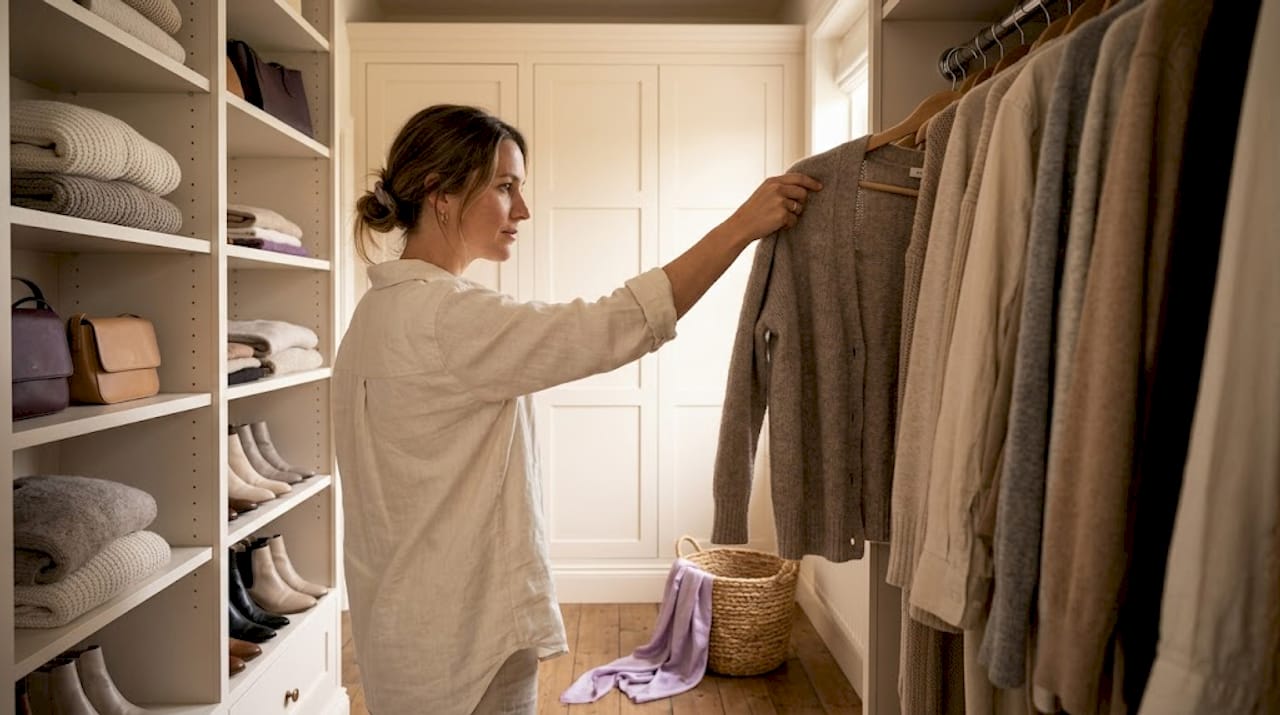
Decision fatigue is real. Research in behavioral psychology shows that the more choices you make early in the day, the worse your later decisions become. Your wardrobe is the first battleground. Neutral wardrobes reduce outfit decision fatigue and enable dozens of outfits from a small number of pieces due to high mix-and-match compatibility.
Think about it mathematically. Ten pieces in four coordinating neutrals can produce far more functional combinations than ten pieces in ten different colors that fight each other. A camel coat works over white, cream, gray, black, and navy. A cobalt blue coat works over far fewer options.
The core benefits of neutral color outfits include:
- Every piece pairs with nearly every other piece, eliminating “nothing to wear” mornings
- You can pack fewer items for travel and still have full outfit options
- Buying new pieces is simpler because additions integrate instantly
- Your wardrobe ages better since you are not chasing color trends
To start building a neutral capsule wardrobe, follow these steps:
- Identify your two or three most flattering base neutrals (black, white, camel, navy, cream, gray, or taupe)
- Audit your current wardrobe and remove pieces that do not fit your chosen palette
- Fill gaps with quality, classic-cut staples rather than trend-driven pieces
- Add texture and finish variation within the same neutral family for visual interest
- Revisit your wardrobe every season to retire faded or worn pieces
Building a trend-proof wardrobe starts exactly here, with a clear palette and deliberate choices. And once you commit to that foundation, investing in classic staples becomes far easier because you know exactly what works.
Avoiding the all-neutral trap: creating silhouette and contrast with neutrals
Despite their versatility, neutrals need careful styling to enhance your body’s natural shape and avoid looking shapeless. Let’s explore how contrast works within neutral palettes.
Here is the mistake most people make when they first go neutral. They wear head-to-toe matching neutrals and wonder why the outfit looks flat. The problem is not the color family. It is the lack of contrast. Head-to-toe matching neutrals erase your silhouette and create a shapeless “beige column” due to lack of contrast boundaries.
Contrast does not mean color. It means value difference, the visual distinction between light and dark areas. Pairing a cream blouse with ivory trousers creates almost no value contrast, so your eye cannot find the waistline. Pairing that same cream blouse with taupe or soft-brown trousers immediately defines the separation between top and bottom.
| Combination | Contrast level | Silhouette impact |
|---|---|---|
| White top + white trousers | Very low | Silhouette disappears |
| Cream top + camel trousers | Low to medium | Slight definition |
| Ivory top + charcoal trousers | High | Clear, flattering shape |
| Warm beige top + cool gray trousers | Medium (undertone contrast) | Soft but visible separation |
| Textured knit + smooth tailored pants (same value) | Medium (texture contrast) | Definition without color shift |
Warm versus cool undertones within neutrals also create contrast without dramatically changing color. A warm sand tone against a cool taupe reads as intentional and put-together even though both are technically neutral.
Pro Tip: If your outfit uses the same value throughout, add a belt in a contrasting neutral to create a visible waistline. A narrow chocolate brown belt on an all-cream outfit can completely change how structured the look feels.
Texture contrast is your other tool. A chunky knit layered over a smooth satin skirt, both in similar beige tones, creates visual interest and shape through material contrast alone. For guidance on styling neutrals with flair, this principle applies whether you are dressing for a casual day or a formal event.
Building a timeless neutral palette and classic cuts for a versatile wardrobe
Understanding the importance of contrast, let’s now focus on how to choose the right neutral colors and garment styles to build a timeless, functional wardrobe foundation.
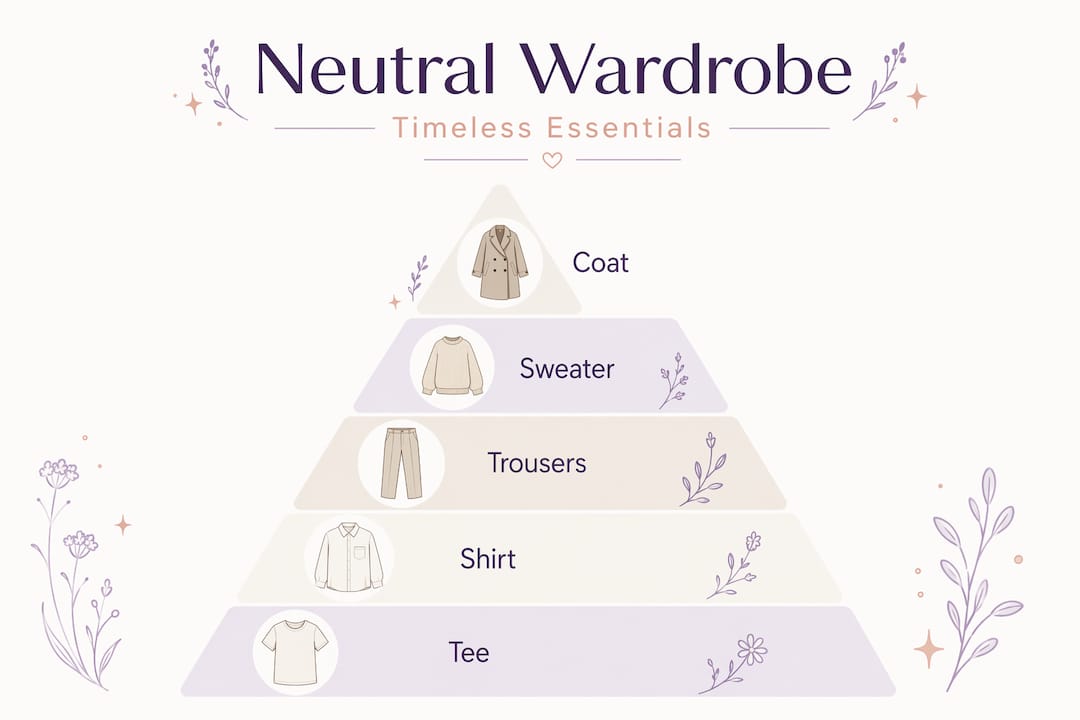
Not all neutrals belong in every wardrobe. The colors that work for you depend on your skin’s undertone, your lifestyle, and the climate you live in. Practitioners recommend a limited set of 4 to 6 core neutral colors to ensure all items mix effortlessly, with classic cuts that respect natural body lines providing longevity.
| Neutral shade | Works best for | Classic garment pairing |
|---|---|---|
| Black | Cool or neutral undertones | Tailored trousers, blazers |
| White / Cream | All undertones | Button-down shirts, structured tops |
| Camel / Tan | Warm undertones | Coats, wide-leg trousers |
| Gray (charcoal or light) | Cool undertones | Knitwear, suits, casual layers |
| Navy | Cool or neutral undertones | Denim, blazers, midi skirts |
| Taupe / Stone | Neutral to warm undertones | Trench coats, relaxed trousers |
Classic cuts matter just as much as color. A well-proportioned garment in a neutral shade holds its visual appeal far longer than a trendy silhouette. Neutral colors and classic cuts create a base that works year-round and across settings, simplifying dressing and supporting layering.
The core garment categories for your neutral wardrobe foundation include:
- A well-fitted blazer in black, camel, or gray
- Straight or wide-leg trousers in two contrasting neutrals
- A crisp white or cream button-down shirt
- A neutral-toned midi or wrap dress
- A classic coat in camel or navy for outerwear
- Quality knitwear in at least two neutral tones
Pro Tip: Choose your second and third neutrals based on how they interact with your primary neutral. If your base is black, cream and camel create beautiful contrast combinations. If your base is camel, ivory and chocolate brown work effortlessly together. Think in trios, not isolated pieces.
Layering is where a neutral palette truly earns its keep. A stone linen shirt, warm cream knitwear, and a camel coat are three distinct pieces that layer flawlessly together and work across seasons. That kind of adaptability is what investing in classic staples actually delivers.
Practical tips to style and maintain a neutral wardrobe with confidence
With a solid foundation established, here are practical ways to style and care for your neutral pieces to maximize confidence and longevity.
Neutrals streamline your routine by mixing easily, supporting layering, and remaining steady over time, which helps reduce stress and keep clothing timeless. But maintenance and smart styling habits are what make the difference between a neutral wardrobe that looks intentional and one that looks lazy.
Styling habits that keep a neutral wardrobe looking sharp:
- Vary your fabrics deliberately: pair matte with sheen, structured with relaxed, heavy with light
- Use accessories as your accent layer: a gold chain, a leather bag, or a patterned scarf all add dimension without disrupting the neutral base
- Define your waist in monochromatic outfits with a belt, a tucked hem, or a fitted layer
- Invest in quality over quantity since neutrals in poor-quality fabric read as drab rather than refined
- Keep your palette personal: not every neutral suits every complexion, so wear the shades that genuinely complement your skin tone
Pro Tip: Photograph your favorite neutral outfit combinations and save them. On rushed mornings, you are not building an outfit from scratch. You are just recreating what already worked.
Maintenance matters more with neutrals than with patterns. A faded black becomes a muddy charcoal. A yellowed white reads as careless rather than intentional. Wash whites separately, store knitwear folded to prevent stretching, and retire pieces the moment their color or structure deteriorates. For ideas on layering and styling neutrals, and for practical advice on caring for wardrobe basics, both are worth your time.
Why the subtle power of neutrals reveals true style confidence
Having covered the practical how-to aspects, here is something worth sitting with. Neutrals say something that bold color rarely does.
Anyone can wear a statement color and receive attention. The garment does the work. When you wear neutrals consistently and well, you are making a different kind of claim. You are saying that your presence, your posture, your conversation, your craft, those are the things worth noticing. Choosing neutrals functions as meta-communication, signaling a preference to be known through behavior and presence rather than appearance.
This is not about being subdued. It is about being intentional. There is a genuine discipline in maintaining a cohesive neutral wardrobe. You have to resist impulse purchases that “almost” work. You have to be honest about what fits, what flatters, and what has run its course. That discipline is exactly what separates a curated wardrobe from a crowded closet.
We also believe the neutrals conversation often ignores one key truth: a well-styled neutral outfit is harder to pull off than a bold print. Prints hide fit imperfections. Neutrals do not. They demand that you pay attention to proportion, silhouette, and quality. That is not a limitation. That is the standard being raised. The women who get neutrals right look effortlessly put together precisely because they have done the work quietly. A trend-proof wardrobe philosophy is built on exactly this kind of intentional, disciplined approach.
Discover versatile neutral pieces at Wildflower Wardrobe
Ready to put these principles into practice? At Wildflower Wardrobe, we have curated a selection of timeless, neutral-focused pieces designed for women who want to dress with confidence and ease.
Explore our women’s casual wear collection for classic cuts in foundational neutrals that mix, layer, and last. Complete your look with understated classic jewelry pieces that add just the right accent without disrupting your neutral palette. Whether you are building from scratch or refining what you already have, Wildflower Wardrobe is your destination for fashion-forward pieces rooted in timeless style. Every piece we carry is chosen to empower your confidence and simplify your wardrobe decisions, one great neutral at a time.
Frequently asked questions
What are the main benefits of having neutral colors in my wardrobe?
Neutral wardrobes reduce decision fatigue and offer dozens of outfit combinations from fewer pieces, making them both practical and polished for everyday wear.
How can I make sure my all-neutral outfit doesn’t look shapeless?
Use contrast boundaries by pairing light and dark neutrals or mixing warm and cool undertones. Contrast boundaries like light versus dark or warm versus cool undertones prevent neutrals from erasing your silhouette.
Are neutral colors boring or plain?
No. The neutral palette highlights craftsmanship, texture, and silhouette over color, creating a refined aesthetic that communicates confidence rather than caution.
How many neutral colors should I include in my wardrobe palette?
Experts recommend 4 to 6 core neutral shades. A limited set of core neutral colors ensures wardrobe cohesion and easy mixing across all your pieces.
Can I add color accents to a neutral-focused wardrobe?
Yes, and small color accents can refresh your look without disrupting versatility. Keep your main garments neutral and reserve color for accessories, scarves, or shoes so styling remains easy.
0 comments