

Tailoring is defined as the precise modification of garments to fit an individual body, and it is the single most powerful tool for unlocking the full potential of classic fashion pieces. The role of tailoring in classic fashion goes far beyond hemming a pair of trousers. It determines how a garment sits on your shoulders, moves with your body, and holds its shape after years of wear. From Savile Row bespoke commissions to a simple waist taper on a blazer, tailoring transforms clothing from something you wear into something that works for you.
How does tailoring impact the fit and appearance of classic fashion?
Tailoring corrects the fundamental problem with ready-to-wear clothing: it is made for an average body that does not exist. Every woman’s proportions are unique, and off-the-rack sizing accounts for none of that. A jacket may fit your shoulders perfectly but gap at the waist. A dress may hit the right length in front but pull across the back. Tailoring fixes all of it.
The most common and impactful alterations include:
- Hem adjustment: Changing the length of a skirt, dress, or trouser leg to flatter your height and leg proportion
- Waist tapering: Taking in the side seams of a blazer or dress to follow your natural waist
- Shoulder adjustment: Repositioning the shoulder seam so the garment sits correctly and does not restrict movement
- Dart reshaping: Adding or adjusting darts in a blouse or jacket to accommodate bust or hip differences
The difference between bespoke, made-to-measure, and ready-to-wear fit is significant. Ready-to-wear is cut to standard size blocks. Made-to-measure adjusts an existing pattern to your measurements. Bespoke drafts an entirely new pattern from scratch, accounting for your posture, asymmetries, and movement. Each step up delivers a noticeably better result.
Pro Tip: When shopping for classic pieces you plan to tailor, check the seam allowances inside the garment. Quality tailoring requires fabric to work with. Cheap construction leaves almost nothing, which limits what a tailor can do.
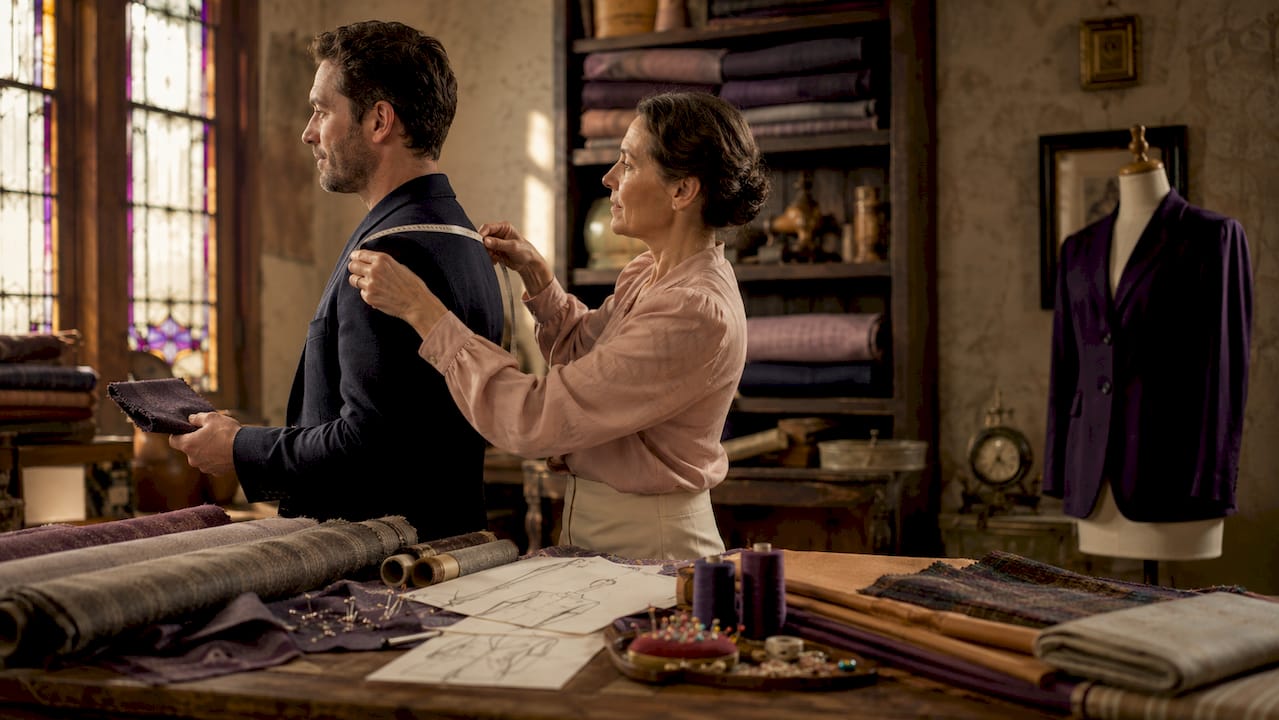
Ample seam allowances in quality garments allow expert fit adjustments as your body changes over time. Mass-produced clothing rarely provides this.
Why is tailoring crucial for garment longevity and sustainability?
The impact of classic tailoring on sustainability is direct and measurable. Extending garment life by just 9 months through proper care and tailoring reduces a garment’s carbon, water, and waste footprint by 20–30%. That is a significant environmental return on a relatively small investment in alterations.
Tailoring also changes the economics of your wardrobe. A well-constructed blazer that fits you perfectly gets worn constantly. A poorly fitting one gets pushed to the back of the closet. High-quality tailorable pieces are a capital purchase that proves more cost-effective than replacing mediocre items after roughly 12 dry-clean cycles, when glued interlining begins to fail and the garment loses its shape entirely.
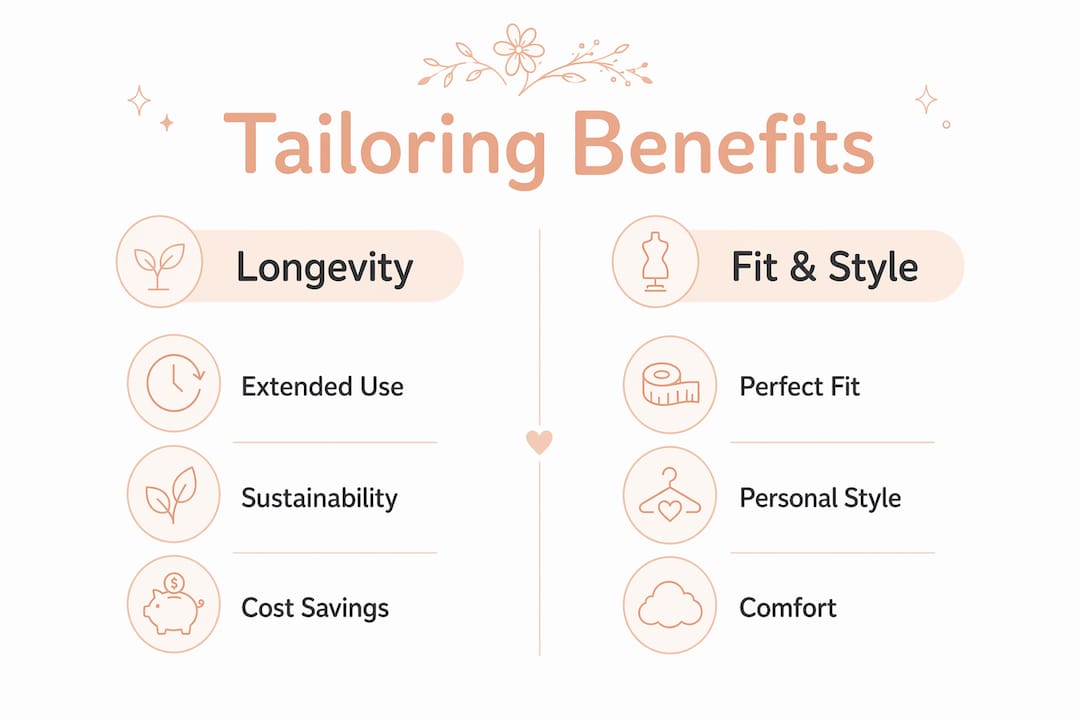
The construction method matters enormously here. Full-canvas construction uses hand-stitched horsehair and wool layers that distribute garment weight evenly, enabling suits and structured pieces to last decades. Glued interlining, standard in fast fashion, fails quickly and cannot be repaired.
The resurgence of tailoring reflects a broader slow fashion shift that values craftsmanship over mass-brand status. Consumers are choosing fewer, better pieces and investing in alterations to make them last.
Pro Tip: Before discarding a classic piece that no longer fits, take it to a tailor first. A $30–$50 alteration can restore a $200 garment to regular rotation, which is a far better return than buying something new.
You can learn more about building a wardrobe around this philosophy in Wildflowerwardrobe’s guide on investing in wardrobe staples that stand the test of time.
What are the emotional and psychological benefits of tailored clothing?
Perfectly tailored clothes change how you carry yourself. Tailoring stops the constant adjusting of ill-fitting clothes, which directly improves posture and confidence. When you are not tugging at a waistband or pulling a neckline back into place, your attention shifts outward. You stand differently. You move differently.
The psychological benefits extend beyond comfort:
- Confidence: Clothes that fit your actual body reinforce a positive self-image rather than highlighting perceived flaws
- Identity: A tailored wardrobe reflects deliberate personal style rather than whatever happened to fit off the rack
- Mood: Wearing something that feels right has a measurable effect on how you approach your day
- Presence: Perfectly tailored clothes affect behavior: how you stand, move, and project confidence naturally
“Tailoring transforms everyday clothes, enabling intentional style that prioritizes body alignment and comfort over trends.” — Fashion Times
This benefit is not limited to formal wear. A well-fitted pair of wide-leg trousers, a tailored linen shirt, or a structured midi dress all carry the same effect. The garment does not need to be expensive. It needs to fit.
Bespoke vs. made-to-measure vs. ready-to-wear: which suits classic fashion best?
Understanding the three main tailoring approaches helps you decide where to invest your money and time. Each serves a different need and budget.
Bespoke tailoring drafts a unique paper pattern from the client’s posture and asymmetries, guaranteeing fit correction that no other method can match. The process typically involves 3–4 fittings over 10–14 weeks. The result is a garment built entirely around your body. Floating canvases inside bespoke jackets shape themselves to your body over time, making the garment more comfortable and personal with every wear.
| Method | Pattern | Fit Precision | Timeline | Cost Range |
|---|---|---|---|---|
| Bespoke | Drafted from scratch | Highest, corrects asymmetry | 10–14 weeks | $$$$ |
| Made-to-Measure | Existing pattern adjusted | High, based on measurements | 2–4 weeks | $$$ |
| Ready-to-Wear with Alterations | Standard size block | Good, with targeted fixes | Days | $–$$ |
Made-to-measure adjusts an existing pattern to your measurements. It is faster and less costly than bespoke, and it delivers a significantly better fit than off-the-rack. For most women building a classic wardrobe, made-to-measure or quality ready-to-wear with professional alterations is the most practical entry point.
Ready-to-wear with alterations is the most accessible option. You buy a quality garment, then take it to a skilled tailor for targeted fixes. This approach works well for classic pieces like blazers, trousers, and structured dresses where the fabric and construction are good but the sizing is not quite right.
How can you integrate tailoring into your classic wardrobe?
Building a tailoring practice into your wardrobe routine does not require a large budget. It requires a shift in how you shop and how you think about clothing.
- Buy for fabric and construction first. A garment made from quality wool, cotton, or linen with proper seam allowances will respond well to tailoring. Synthetic blends with minimal interior structure will not.
- Identify your fit priorities. Most women have one or two recurring fit issues: shoulders that are too wide, a waist that needs taking in, or a hem that always needs adjusting. Knowing this in advance helps you shop smarter.
- Build a relationship with a local tailor. A tailor who knows your body and preferences becomes a genuine style resource. Bring new purchases in before wearing them, not after.
- Start with your most-worn pieces. Tailoring a blazer or pair of trousers you reach for weekly delivers the highest return. Do not start with something you rarely wear.
- Factor alteration costs into your purchase decision. If a $120 blazer needs $40 in alterations to fit perfectly, you are spending $160 on a garment that will last years. That is still better value than a $60 blazer that never quite fits.
For sustainable shopping strategies that complement this approach, Wildflowerwardrobe’s guide on shopping fashion sustainably covers how to make intentional purchases that hold their value.
Pro Tip: When trying on a garment in-store, assess the shoulders first. Shoulder alterations are the most complex and costly. Everything else, including waist, hem, and sleeve length, is relatively straightforward to fix.
Key takeaways
Tailoring is the defining factor that separates a classic wardrobe that works from one that just takes up space.
| Point | Details |
|---|---|
| Fit is the foundation | Tailoring corrects proportions, posture, and asymmetry that ready-to-wear sizing cannot address. |
| Longevity over quantity | Extending garment life by 9 months reduces environmental footprint by 20–30%, making tailoring a sustainable choice. |
| Construction quality matters | Full-canvas and hand-stitched garments last decades; glued interlining fails after roughly 12 dry-clean cycles. |
| Confidence is measurable | Properly fitted clothes improve posture, reduce constant adjusting, and change how you carry yourself. |
| Tailoring is accessible | Ready-to-wear with professional alterations delivers strong fit results without bespoke costs or timelines. |
Why tailoring changed how i think about getting dressed
I used to believe tailoring was for people with unlimited budgets and formal wardrobes full of suits. That belief cost me years of wearing clothes that almost fit. Almost is not good enough when you are trying to build a wardrobe that actually works.
The shift happened when I took a blazer I had owned for three years but rarely wore to a local tailor. Forty dollars and one week later, it fit like it was made for me. I wore it the following week and got three compliments. The blazer had not changed. The fit had.
What I have learned since is that tailoring is not about luxury. It is about intention. When you invest in altering a piece, you commit to it. You stop treating your wardrobe as a collection of things you own and start treating it as a set of tools you use. That mindset shift is worth more than any individual garment.
The tailoring renaissance of 2026 is not happening because people suddenly have more money. It is happening because more women are tired of buying things that do not fit and replacing them six months later. Tailoring is the answer to that cycle. It is also, frankly, the most underused style strategy available to most of us.
My honest advice: start with one piece. Take something you love but never wear because it does not quite fit. Spend the $30–$50. See what happens. You will not go back.
— Patrick
Build your classic wardrobe with Wildflowerwardrobe
Tailoring works best when the garments you start with are worth the investment. Wildflowerwardrobe curates women’s fashion with exactly that in mind: quality fabrics, thoughtful construction, and timeless silhouettes that respond well to alterations and hold their shape over time.

Whether you are looking for structured pieces to take to your tailor or everyday essentials that fit beautifully from the start, Wildflowerwardrobe’s women’s casual wear collection is a strong place to begin. These are pieces built to last, styled to work across seasons, and chosen with the kind of woman in mind who values quality over quantity. Browse the collection and find the pieces your wardrobe has been waiting for.
FAQ
What is the role of tailoring in classic fashion?
Tailoring modifies garments to fit an individual body precisely, correcting proportions, improving silhouette, and extending garment life. It is the primary reason classic pieces remain stylish and wearable across years and body changes.
How does tailoring influence personal style?
Tailoring transforms everyday clothes into intentional style statements by prioritizing body alignment and comfort over trend-driven sizing. A well-fitted garment reflects deliberate personal identity rather than default sizing.
What is the difference between bespoke and made-to-measure tailoring?
Bespoke tailoring drafts a unique pattern from scratch based on your posture and asymmetries, while made-to-measure adjusts an existing pattern to your measurements. Bespoke delivers the highest fit precision but requires 10–14 weeks and a significantly higher investment.
Does tailoring actually make clothing more sustainable?
Extending a garment’s life by 9 months through tailoring and proper care reduces its footprint by 20–30% across carbon, water, and waste. Tailoring is one of the most direct actions you can take toward a more sustainable wardrobe.
Which garments benefit most from tailoring?
Structured pieces like blazers, trousers, and fitted dresses benefit most because their construction supports alterations. Classic wardrobe staples in quality natural fabrics respond best, especially those with ample seam allowances and proper interior structure.
0 comments