

Most women spend serious money on their outerwear and almost no thought on what goes underneath. That gap is exactly where outfit quality gets lost. The role of undergarments in outfits is not decorative or secondary. It is structural. The right foundation pieces determine how your clothes hang, how your silhouette reads, and whether you feel confident enough to actually wear what you own. Get this layer wrong, and even the most expensive dress can look off. Get it right, and your entire wardrobe performs better.
Table of Contents
- Key takeaways
- The role of undergarments in outfits: fit and silhouette
- Comfort, hygiene, and why fabric is not an afterthought
- Lingerie as outerwear: from trend to wardrobe staple
- Building an undergarment wardrobe that works for every outfit
- My take on why foundation always comes first
- Upgrade your foundation at Wildflowerwardrobe
- FAQ
Key takeaways
| Point | Details |
|---|---|
| Foundation shapes silhouette | Properly fitting bras and underwear directly affect how clothing drapes and fits on the body. |
| Fabric matters for comfort | Cotton-spandex blends manage moisture, prevent irritation, and eliminate visible panty lines under outfits. |
| Lingerie is now outerwear | Bralettes, corsets, and slips styled with tailored layers are a mainstream fashion choice in 2026. |
| Build a neutral base | Nude and black foundational pieces work invisibly under most outfit colors and fabric weights. |
| Replace worn pieces regularly | Stretched bands and worn elastics distort silhouette even when your body has not changed. |
The role of undergarments in outfits: fit and silhouette
If you have ever put on a blazer and wondered why it looks slightly off, the answer is almost always underneath the blazer. Properly fitting bras lift the bust, elongate the waist, and change how every single layer above them hangs on your body. This is not a minor adjustment. It is the difference between a jacket that looks tailored and one that looks borrowed.
The band is the most critical element of bra fit. The band provides primary support, and even a perfectly sized cup becomes ineffective when the band is too loose or has lost elasticity. A riding band pulls garments down at the back, creates bunching under shirts, and throws off the line of anything worn over it.
Here is how poor foundation pieces disrupt specific outfit types:
- Fitted tops: A worn bra with a loose band creates visible rippling across the back and underarm area, drawing attention to the foundation rather than the garment.
- Wrap dresses and A-line silhouettes: Without adequate bust support, the neckline of a wrap dress gaps unevenly, and the waist emphasis disappears.
- Structured jackets and blazers: A bra that sits too high or too low creates visible lines and lumps that prevent the jacket from lying flat across the chest and shoulders.
- Slip dresses and bias-cut fabrics: These unforgiving cuts reveal every underwear line and every bra strap that does not align with the garment’s design.
Knowing when your foundation pieces need replacing is as important as buying the right ones initially. Foundation wear loses elasticity over time, which distorts silhouette even without body changes. If your bra band stretches beyond its tightest hook, if straps will not stay up, or if cups gap or overflow, those pieces are no longer doing their job.
Pro Tip: Try on your bras with your most fitted outerwear every six months. If the garment over it looks different than it used to, the bra has likely lost its structure, not the shirt.
Comfort, hygiene, and why fabric is not an afterthought
The connection between undergarment comfort and outfit confidence is direct. When you are adjusting, pulling, or aware of what you are wearing underneath, your attention is split. Comfortable, well-fitting undergarments reduce that distraction and let you focus on how you present yourself, not on how you feel physically.
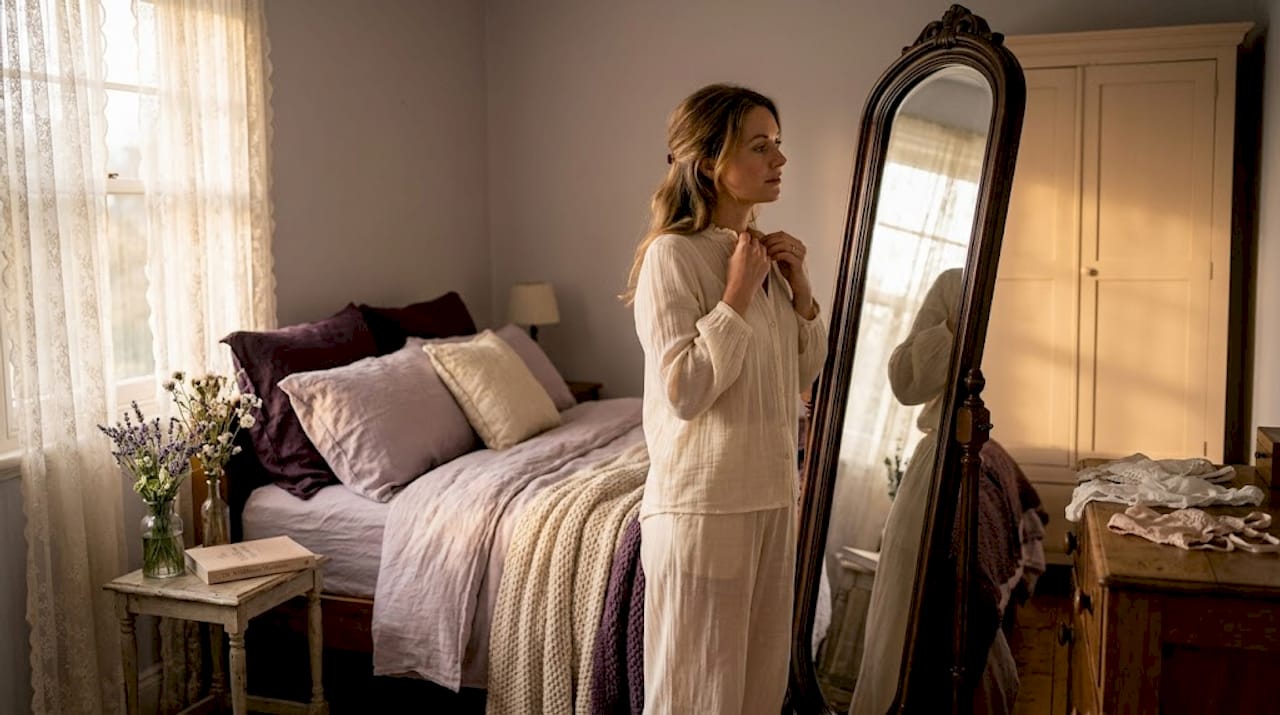
Fabric is where this starts. Cotton-spandex blends offer the best balance for daily wear, providing breathability, shape retention, and comfort without visible panty lines. The standard recommendation is a 95% cotton, 5% spandex mix. It manages moisture, prevents the friction that causes chafing, and holds its shape through the day without digging in or rolling.
Non-breathable synthetic fabrics, especially those made entirely of polyester or nylon without a cotton gusset, create moisture buildup and skin irritation that becomes genuinely distracting by midday. That kind of discomfort affects posture, mood, and how you carry yourself in an outfit.
Here is a practical fabric guide for different outfit needs:
- Everyday wear: Cotton or cotton-spandex blend for breathability and all-day ease.
- Activewear: Moisture-wicking synthetic blends designed specifically for movement and sweat management.
- Formal or fitted clothing: Seamless microfiber or spandex for smooth lines without bulk.
- Sheer or lightweight fabrics: Nude-toned, seamless styles that disappear under delicate materials.
Hygiene also plays into how you wear your clothes. Undergarments that are clean, properly fitted, and made from breathable fabrics protect your outer clothing from perspiration and friction, which extends the life of your outer garments.
Pro Tip: Rotate your underwear wardrobe so no single piece is worn more than once every three to four wears. This preserves elasticity and hygiene far longer than washing alone.
For guidance on building your wardrobe essentials, starting with your foundation layer is the move that pays off across every other purchase you make.
Lingerie as outerwear: from trend to wardrobe staple
The idea of wearing visible lingerie as part of a deliberate outfit was once considered provocative. By 2026, it is simply another tool in a well-developed personal style. The underwear as outerwear trend is now a permanent fashion category, and understanding how to work with it separates intentional styling from outfits that just look accidental.
The history of this shift matters. What began as runway experimentation in the 1990s, with designers like Jean Paul Gaultier sending corsetry down the catwalk as outerwear, gradually filtered into streetwear, then into mainstream fashion. Today, the role of lingerie in fashion is less about provocation and more about personal empowerment. Visible lingerie is about deliberate styling choices, not shock value.
Here is how this trend breaks down across different lingerie pieces:
| Lingerie Piece | How to Style It as Outerwear | What to Avoid |
|---|---|---|
| Bralette | Layer under an open blazer or sheer blouse | Pairing with equally revealing bottoms |
| Corset or bustier | Wear over a fitted turtleneck or structured trousers | Cheap fabrics that lose shape quickly |
| Slip dress | Layer over a fitted T-shirt or under a leather jacket | Heavy accessories that overpower delicate fabric |
| Lace bodysuit | Tuck into high-waisted trousers or a midi skirt | Showing through garments without intention |
The key styling principles are balance and quality. Layering sheer lace or bralettes with tailored jackets or trousers maintains a polished look because the structured elements provide visual counterweight to the soft, revealing ones.
Fabric quality becomes non-negotiable when lingerie is visible. Quality fabric and thoughtful layering prevent visible pieces from reading as cheap or costume-like. Look for well-constructed lace with clean edges, satin with a proper weight, and elastic that holds its shape after wear.
Pro Tip: When styling a bralette as outerwear, match it in color family to your outer layer rather than treating it as a contrast piece. This creates a cohesive look rather than an outfit that appears unfinished.
For more specific outfit ideas, Wildflowerwardrobe has a full guide on styling lingerie as outerwear that walks through both casual and elevated looks.
Building an undergarment wardrobe that works for every outfit
Thinking about your undergarment selection the same way you think about your outer wardrobe, strategically and seasonally, changes the way your whole closet performs. Here is a practical approach.
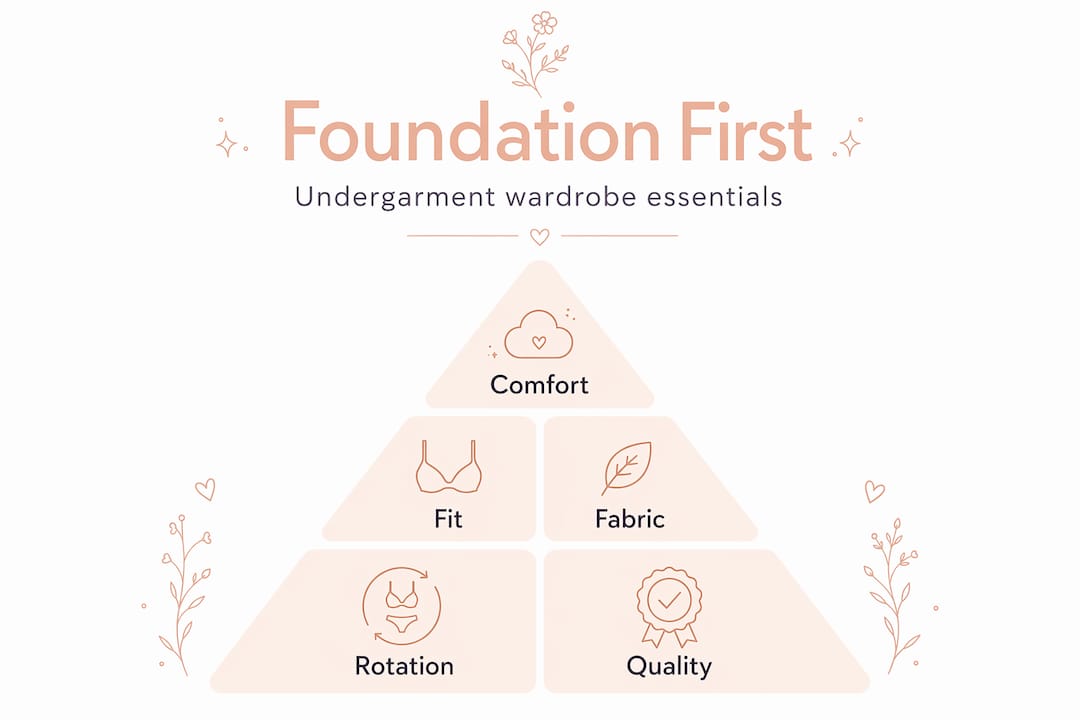
Start with a neutral base. Experts recommend neutral, nude-tone foundation garments because they disappear under virtually every outfit color and fabric weight. Nude and black in every foundational style you wear gives you the coverage you need without visible lines or color bleeding through fabrics.
Build your selection by outfit type:
- For everyday tops and bottoms: seamless hipsters or bikini briefs in cotton-spandex, a T-shirt bra in nude and black.
- For fitted dresses: seamless thong or laser-cut briefs, a convertible bra with removable straps.
- For low necklines: balconette bras provide lift compatible with deep necklines while distributing weight evenly and staying discrete.
- For formal or occasion wear: a slip or shaper brief, a strapless or adhesive bra depending on the neckline.
- For visible lingerie styling: at least one quality bralette and one well-constructed bodysuit in a neutral or intentional color.
Seasonal considerations also shift your needs. In warmer months, lighter cotton styles and moisture-wicking fabrics keep you comfortable under seasonal clothing. In winter, thermal long-line options can add warmth under lighter-weight outerwear without bulk.
Signs that a piece needs replacing include:
- Bra band stretches fully on the tightest hook after fewer than twelve months of wear.
- Straps slip despite being adjusted to the shortest length.
- Underwear elastic rolls or curls at the legs or waistband.
- Cups gap, overflow, or wrinkle during normal movement.
- Visible pilling or fabric thinning affects appearance or comfort.
Updating foundation garments does not require replacing everything at once. Prioritize the pieces that touch your most-worn outfits first and work outward from there.
My take on why foundation always comes first
I have worked with enough women on their style that I can spot a foundation problem the moment someone puts on an outfit. They will spend ten minutes adjusting a blouse, tugging at a jacket, or saying they feel like something is just “off” without being able to name what it is. Nine times out of ten, the answer is underneath.
What I find most striking is that updating a bra, not buying a new shirt, can make three or four garments that someone already owns suddenly look like they fit again. Updating well-fitting bras can effectively rejuvenate your existing wardrobe, creating the impression of a refreshed closet. I have seen this happen too many times to consider it a coincidence.
The psychological side of this matters just as much as the physical. When you are properly supported and physically comfortable, you carry yourself differently. Your posture shifts. You take up space with more ease. None of that comes from the blouse on top. It comes from what is holding everything together underneath.
My honest advice: before you buy anything new for your wardrobe this season, do a foundation audit. Try on every bra and pair of underwear you own. If something is not doing its job, retire it. The money you save on outerwear you “need” will more than cover what you invest in foundation pieces that actually work.
— Patrick
Upgrade your foundation at Wildflowerwardrobe
Wildflowerwardrobe carries a curated selection of lingerie and foundational pieces designed for both everyday comfort and statement-making style. Whether you are building your neutral base or exploring the lingerie-as-outerwear trend, the women’s fashion collection includes options that balance quality, comfort, and modern design. For a starting point in the lingerie-as-outerwear direction, the Tied Lace Trim Babydoll is exactly the kind of piece that transitions from intimate wear to intentional styling. Wildflowerwardrobe is built around the idea that what you wear underneath matters just as much as everything on top.
FAQ
How do undergarments affect the fit of my outfits?
Undergarments directly shape how clothing drapes and sits on the body. A properly fitting bra lifts the bust and improves how tops, jackets, and dresses hang, while worn or ill-fitting foundation pieces create visible lines and uneven silhouette.
What are the best undergarment fabrics for everyday wear?
Cotton-spandex blends, typically 95% cotton and 5% spandex, are recommended for daily wear. They manage moisture, prevent irritation, and hold their shape without creating visible panty lines under clothing.
How often should I replace my bras and underwear?
Bras typically need replacing every six to twelve months depending on frequency of wear and care. Signs it is time include a band that stretches to the tightest hook, straps that will not stay up, and cups that gap or overflow.
Can I wear lingerie as part of an everyday outfit?
Yes. Bralettes, slips, and bodysuits are now mainstream styling tools when layered thoughtfully. The key is balancing a revealing lingerie piece with structured outerwear and choosing quality fabrics with clean finishes.
What colors should I prioritize for my foundation wardrobe?
Nude and black are the two most versatile foundation colors. Nude-tone pieces disappear under most clothing colors and lightweight fabrics, while black works under darker garments and as a visible style choice.
0 comments