

Sustainable fashion shopping is the practice of choosing clothing based on environmental impact, ethical production, and long-term wearability rather than trend cycles or low price alone. When you shop fashion sustainably, you reduce waste, support fair labor, and build a wardrobe that actually works for your life. The good news: you do not need to overhaul everything at once. Brands like Toad&Co and Athleta, platforms like ThredUp and Poshmark, and fibers like TENCEL™ and organic cotton give you real, stylish options at every price point. The industry term for this practice is ethical fashion, and it covers everything from materials to manufacturing to how long a garment lasts.
How to shop fashion sustainably by choosing the right materials
Material choices cause the majority of a garment’s environmental footprint, and that damage happens before the item ever reaches a store shelf. Raw material production, including farming, chemical processing, and fiber extraction, accounts for more environmental harm than the cutting, sewing, or shipping that follows. This means the fiber content label on a garment is one of the most powerful tools you have.
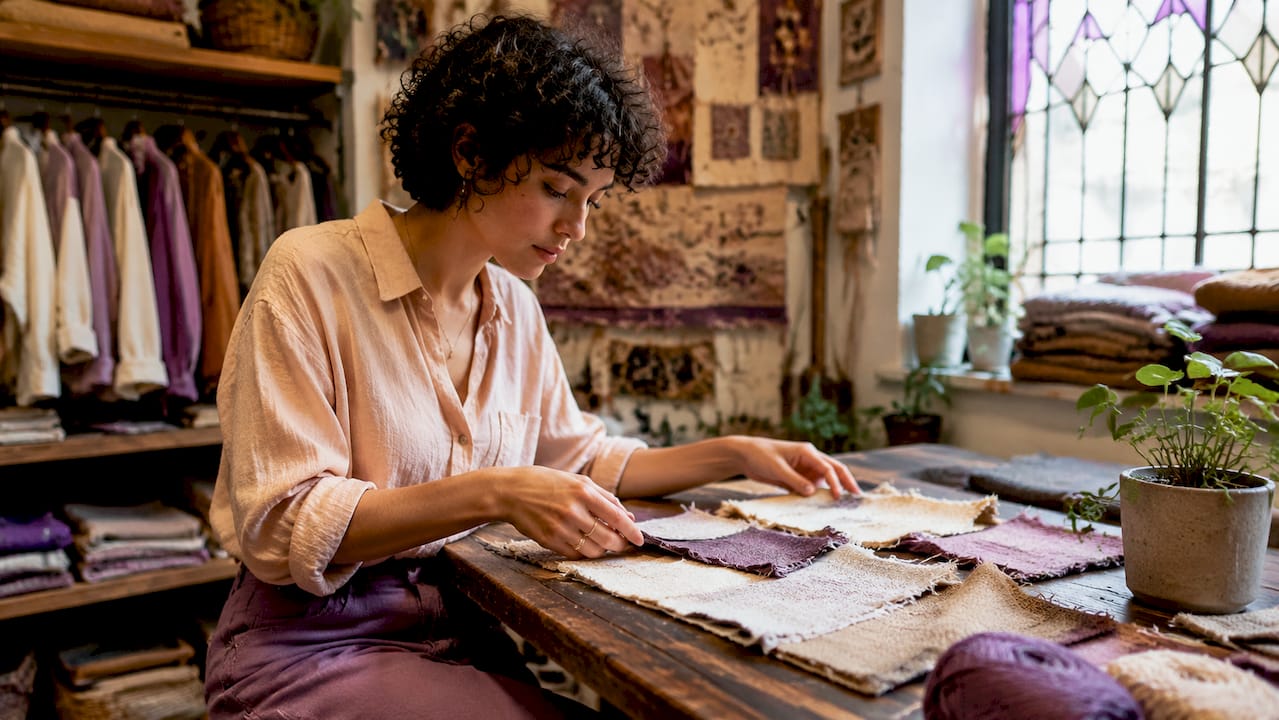
Natural fibers like organic cotton, hemp, and TENCEL™ (a brand name for lyocell made from sustainably harvested wood pulp) carry a significantly lower environmental load than conventional synthetics. Synthetic fibers like polyester and nylon are derived from fossil fuels and shed microplastics with every wash. Animal fibers like wool and cashmere sit in the middle: they avoid fossil fuels but carry methane emissions from livestock and land-use concerns. Knowing this hierarchy helps you make faster, smarter decisions at the point of purchase.
Reading a garment label takes about ten seconds and tells you everything. Look for certifications like GOTS (Global Organic Textile Standard), OEKO-TEX Standard 100, or Bluesign, which verify that fibers were grown and processed with reduced chemical and water use. A label that says “100% recycled polyester” is meaningfully better than virgin polyester, even though both are synthetics. Recycled content reduces demand for new petroleum extraction and diverts plastic waste from landfills.
Here is what to prioritize when evaluating fiber content:
- TENCEL™ / Lyocell: Closed-loop production process, biodegradable, low water use
- Organic cotton: Grown without synthetic pesticides, GOTS-certified versions are most reliable
- Hemp: Naturally pest-resistant, requires minimal water, improves soil health
- Recycled polyester (rPET): Diverts plastic waste, but still sheds microplastics
- Conventional polyester / nylon: Highest environmental cost, avoid when alternatives exist
Pro Tip: Pair recycled polyester garments with a Guppyfriend washing bag to capture microplastic fibers before they enter waterways.
Where to find ethical brands, secondhand, and rental options
Sourcing your clothes from the right places is as important as choosing the right fibers. Ethical fashion costs more because it reflects the true cost of clothing: living wages for workers, environmental protections during production, and quality materials that last. That higher price tag is not a flaw. It is the honest number.
How to evaluate a brand before you buy
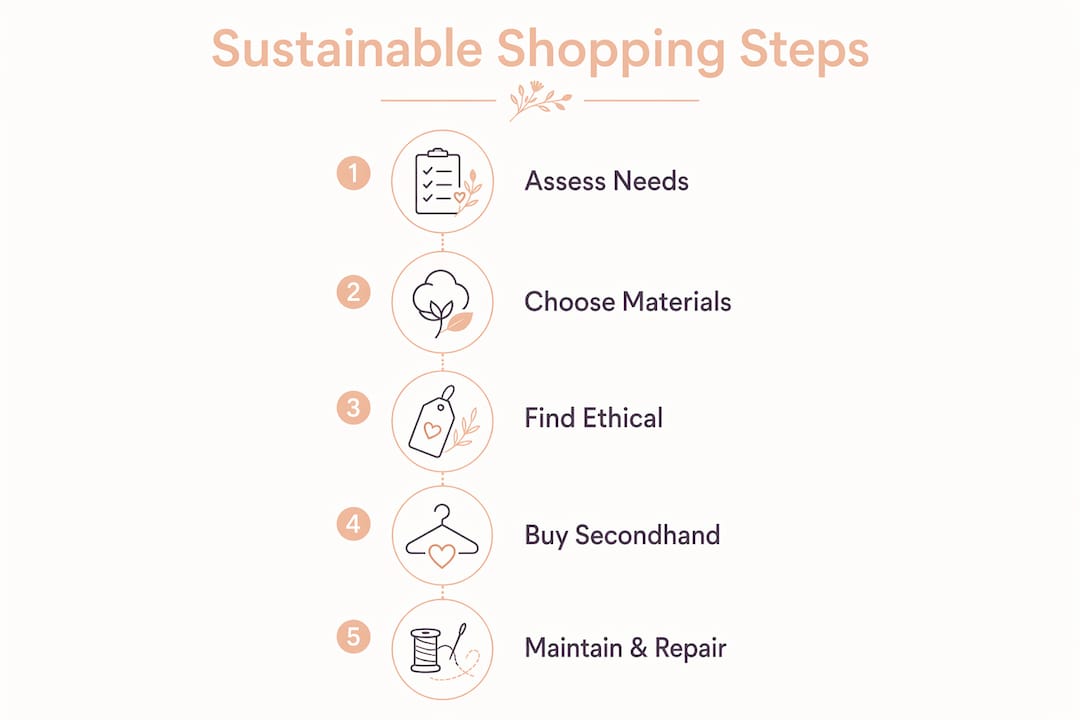
Three criteria separate genuinely ethical brands from those using green marketing as a sales tactic:
- Supply chain transparency: The brand publishes where its garments are made, who makes them, and under what conditions. Look for published supplier lists or third-party audits from organizations like Fair Trade USA or B Corp.
- Environmental commitments: The brand uses certified materials, has a carbon reduction plan, or participates in take-back and repair programs.
- Pricing honesty: Prices reflect real production costs. A $12 dress cannot be ethically made. If the price seems impossibly low, the cost is being paid by workers or the environment.
Brands like Patagonia, Eileen Fisher, and Thought Clothing publish detailed impact reports and use certified materials. For accessible price points, Pact and Quince offer GOTS-certified organic cotton basics without the luxury markup.
Secondhand and rental: the underrated options
The secondhand market extends garment life and offers high-quality pieces at lower prices. Platforms like ThredUp, Depop, and The RealReal make it easy to find name-brand and independent pieces without buying new. Shopping secondhand also sidesteps the production footprint entirely, since no new resources are consumed.
Clothing rental can reduce carbon footprint, though shipping and packaging add complexity. Services like Rent the Runway and Nuuly work best for occasion wear or trend pieces you would only wear a few times. For everyday staples, owning quality items outperforms rental on both cost and environmental math.
Pro Tip: When shopping pre-owned, apply the same quality standards you would to new purchases. Check seams, fabric weight, and fiber content. A well-made secondhand piece beats a poorly made “sustainable” new one every time.
A common misconception is that buying from a fast fashion brand’s “conscious” or “eco” line counts as ethical fashion shopping. It does not. Buying sustainable fast fashion is not a substitute for buying less overall. Sustainability requires reduced consumption first, smarter sourcing second.
How to build a versatile, timeless wardrobe
The most sustainable item is the one already in your closet. Shopping your existing wardrobe first eliminates manufacturing, shipping, and packaging emissions entirely. Before buying anything new, do a wardrobe audit: pull everything out, assess what you actually wear, and identify the gaps that genuinely need filling.
A timeless wardrobe is built on pieces that work across multiple contexts. Focusing on versatility means fewer clothes with more functions, which directly reduces environmental impact. A well-cut black blazer, a quality white shirt, straight-leg denim, and a neutral knit cover more outfit combinations than a closet full of trend-specific pieces. Wildflowerwardrobe’s guide on versatile wardrobe pieces breaks down exactly how to select multi-use items that stay relevant season after season.
What a wardrobe audit actually looks like
Start by sorting clothes into three categories: wear regularly, wear occasionally, and have not worn in over a year. The third category is your decision point. Donate high-quality pieces to local nonprofits or clothing swaps. Note that low-quality donations cause waste that often gets exported to the Global South, so only donate items in genuinely good condition. The “wear regularly” pile reveals your actual style. Build future purchases around it.
| Wardrobe category | Sustainable action |
|---|---|
| Wear regularly | Identify the style pattern and replicate it with quality pieces |
| Wear occasionally | Style more creatively before replacing with new purchases |
| Not worn in a year | Donate quality items, recycle damaged ones through H&M or Patagonia take-back |
| Gaps identified | Fill with secondhand first, then ethical brands |
| Trend-specific items | Rent or borrow instead of buying |
For deeper guidance on building a lasting closet, Wildflowerwardrobe’s article on classic wardrobe staples covers which pieces deliver the best cost-per-wear over time.
Pro Tip: Before buying any new item, ask: “Does this work with at least five things I already own?” If the answer is no, skip it.
Practical steps to shop sustainably on any budget
Sustainable shopping does not require a luxury budget. Buying one high-quality durable piece balances out environmentally over time compared to buying multiple cheap replacements. A $90 pair of jeans worn 200 times costs less per wear than a $25 pair worn 20 times before falling apart.
Follow these steps to apply green fashion habits regardless of your income:
- Buy less, buy better. Set a personal rule: one quality item replaces two or three cheap ones. This single habit reduces both spending and environmental impact over a year.
- Prioritize natural and recycled materials. When buying new, filter by fiber content first. TENCEL™, organic cotton, and recycled materials are available at mid-range prices from brands like Pact, Thought Clothing, and Quince.
- Use resale markets for name brands. ThredUp, Poshmark, and local consignment stores carry quality pieces at 30 to 70 percent below retail. This is the most budget-friendly path to ethical fashion shopping.
- Avoid impulse buying. Implement a 48-hour rule before any non-essential purchase. Most impulse buys feel unnecessary after two days.
- Maintain what you own. Washing clothes in cold water, air-drying, and storing knitwear folded rather than hung extends garment life significantly. Sustainable shoe materials also matter. Research shows sustainable footwear materials can deliver up to 47% less carbon impact, making footwear care equally worth your attention.
Common mistakes to avoid: buying a “sustainable” item you do not need, treating secondhand shopping as a license to buy more volume, and ignoring care instructions that shorten a garment’s life. Wildflowerwardrobe’s guide on updating your wardrobe affordably offers specific tactics for refreshing your look without excess spending.
Pro Tip: Learn basic repairs: replacing a button, fixing a loose hem, or patching a small tear. These skills extend garment life by years and are easier to learn than most people expect.
Key takeaways
Sustainable fashion shopping works because it combines reduced consumption, smarter material choices, and ethical sourcing to cut your wardrobe’s environmental footprint at every stage.
| Point | Details |
|---|---|
| Materials drive most impact | Choose TENCEL™, organic cotton, hemp, or recycled fibers over conventional synthetics. |
| Buy less before buying better | Shopping your existing wardrobe first eliminates production emissions entirely. |
| Secondhand beats “eco” fast fashion | Pre-owned quality pieces have zero new production footprint and cost less. |
| Quality over quantity saves money | One durable piece outperforms multiple cheap replacements in cost and environmental terms. |
| Versatility reduces consumption | Pieces that work across five or more outfits mean fewer total garments needed. |
Why sustainable shopping changed how I think about style
When I first started paying attention to where my clothes came from, I expected to feel restricted. What I found was the opposite. Cutting out trend-chasing freed up both mental space and money. I stopped buying things I wore twice and started investing in pieces I genuinely loved.
The hardest shift was accepting that buying less is the actual goal, not just buying differently. Swapping fast fashion for “sustainable” fast fashion at the same volume does not solve anything. That realization changed how I shop entirely. I now do a wardrobe audit twice a year, and I have not felt like I have “nothing to wear” since.
The practical benefits showed up faster than I expected. My cost-per-wear dropped, my closet became easier to navigate, and I stopped feeling guilty about what I owned. The style benefit was real too: a smaller, more intentional wardrobe forces you to develop an actual aesthetic rather than chasing whatever is trending.
Start with one change: a wardrobe audit, one secondhand purchase, or one label check before your next buy. Consistency over time matters far more than a perfect first step.
— Patrick
Discover Wildflowerwardrobe’s curated women’s fashion
Wildflowerwardrobe curates women’s fashion with a focus on timeless style, quality materials, and pieces designed to work across multiple occasions. The collection is built for women who want to look great without constantly buying new, which makes it a natural fit for anyone building a more intentional wardrobe.
From everyday essentials to statement pieces, Wildflowerwardrobe’s women’s casual wear collection features versatile options that pair well with what you already own. Each piece is selected with wearability and longevity in mind, supporting the kind of mindful wardrobe that makes ethical fashion shopping practical rather than aspirational. Browse the full collection at Wildflowerwardrobe and find pieces worth keeping for years.
FAQ
What does it mean to shop fashion sustainably?
Shopping fashion sustainably means choosing clothing based on environmental impact, ethical production, and long-term wearability. The core practice involves buying less overall, prioritizing quality materials like organic cotton and TENCEL™, and sourcing from ethical brands or secondhand markets.
Which sustainable clothing brands are worth buying from?
Brands like Patagonia, Eileen Fisher, Pact, and Thought Clothing publish supply chain transparency reports and use certified materials. For budget-conscious shoppers, Quince offers GOTS-certified basics at accessible prices.
Is secondhand shopping better than buying from ethical brands?
Secondhand shopping has zero new production footprint, making it the most sustainable option when quality pieces are available. Ethical brands are the better choice when you need something specific that secondhand markets cannot reliably supply.
How do I make eco-friendly fashion choices on a tight budget?
Use resale platforms like ThredUp and Poshmark for quality pieces at 30 to 70 percent below retail. Apply a 48-hour rule before any purchase and prioritize items that work with at least five things you already own.
Does clothing rental actually reduce environmental impact?
Rental reduces the need to own trend-specific or occasion pieces, which cuts consumption. However, shipping and packaging add environmental costs, so rental works best for items you would wear only a few times rather than everyday staples.
Recommended
- Why your seasonal wardrobe refresh matters more than you think – Wildflower Wardrobe
- Build a trend-proof wardrobe with the right checklist – Wildflower Wardrobe
- How to Update Your Wardrobe Without Overspending – Wildflower Wardrobe
- How to build a chic, timeless French girl wardrobe – Wildflower Wardrobe
0 comments