

A style longevity clothing checklist is the most direct tool for building a wardrobe that stays relevant, wears well, and costs less over time. The industry term for this practice is “investment dressing,” and it centers on three factors: timeless design, natural fiber quality, and repairability. Women who apply this checklist stop replacing clothes every season and start owning pieces that work harder for years. This guide walks through every criterion, from fabric selection to cost-per-wear math, so you can shop with confidence and build a wardrobe that genuinely lasts.
1. What fabric and material qualities ensure long-lasting clothing?
Fabric is the single biggest predictor of how long a garment survives. Clothing made from 95–100% natural fibers like cotton, wool, linen, and silk outlasts synthetic blends in almost every category. Natural fibers breathe, repair more easily, and age with character rather than degrading into pilling and static.
Synthetic blends, particularly those heavy in polyester, pill quickly and resist repair. A torn polyester seam is difficult to mend cleanly. A torn linen seam takes five minutes and a needle. Trusted natural fabrics like wool, cashmere, cotton, linen, and Tencel balance comfort with durability across years of regular wear.
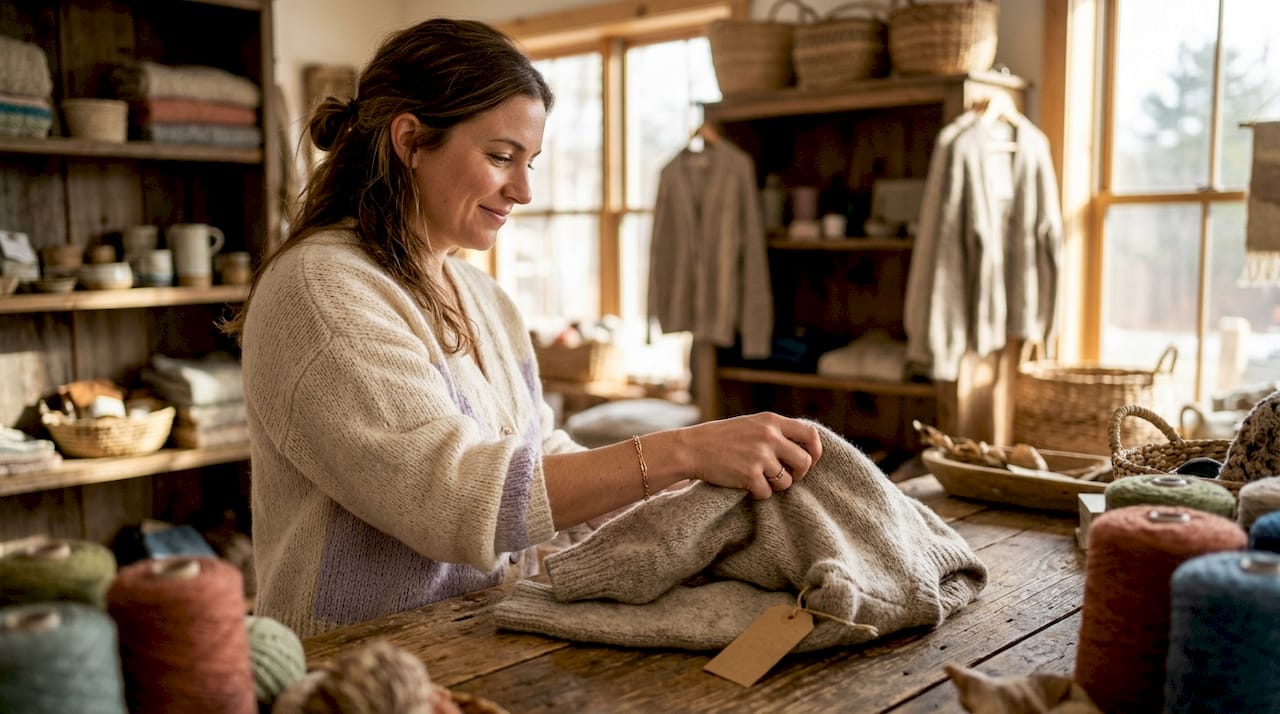
The scrunch test is the fastest in-store quality check you can run. High-quality fabric bounces back after being scrunched in your fist, while poor fabric stays creased. That recovery signals better fiber memory and longer wear life.
| Fiber | Durability | Repairability | Best Use |
|---|---|---|---|
| Wool | Very high | High | Coats, knitwear, trousers |
| Cotton | High | High | Shirts, denim, basics |
| Linen | High | High | Blazers, summer dresses |
| Silk | Moderate | Moderate | Blouses, occasion wear |
| Polyester blend | Low | Low | Avoid for investment pieces |
| Tencel | Moderate | Moderate | Casual wear, layering |
Pro Tip: Always read the fabric label before buying. If the label lists more than two fiber types or shows polyester above 20%, put it back.
2. What construction details signal a garment built to last?
Construction quality shows up in the details most shoppers skip. French seams and serged edges prevent fraying from the inside out, which is the most common reason garments fall apart after washing. A well-finished seam interior is the clearest sign a manufacturer invested in longevity.
Well-made clothing carries generous seam allowances of 0.5 to 1 inch, which allows a tailor to let out or take in the garment as your body or preferences change. That flexibility can effectively double a garment’s usable life. A garment with no seam allowance is disposable by design.
Check these construction markers before buying:
- Seam finishes: Look for French seams, flat-felled seams, or clean serging on the interior.
- Stitching density: Tighter, more even stitching holds longer than loose or uneven rows.
- Buttons: Buttons with shanks (a small loop on the back) attach more securely than flat-sewn buttons.
- Zippers: Smooth metal zippers outlast plastic ones by years. Avoid bonded or glued closures entirely.
- Seam allowances: Pinch the seam interior. If there is almost no extra fabric, the garment cannot be altered.
- Silhouette: Classic cuts like straight-leg trousers, A-line skirts, and tailored blazers stay wearable across decades.
Simple construction with standard zippers and buttons allows for effective, low-cost repairs. The more a garment relies on glue, bonding, or complex hardware, the harder and more expensive it becomes to fix.
Pro Tip: Simpler construction is almost always better for longevity. A plain metal zipper costs $3 to replace. A bonded seam cannot be fixed at all.
3. How to curate versatile wardrobe essentials that maximize style longevity
Versatility multiplies the value of every piece you own. A tailored blazer worn over a dress, with jeans, or layered under a coat counts as three outfits from one garment. This is the core logic behind investment dressing, which prioritizes quiet, structured pieces that stay stylish for five or more years.
Black leather loafers increase wardrobe completeness by 80% when added to a wardrobe built on neutral basics. That figure reflects how a single versatile shoe can connect across dozens of outfit combinations. The same logic applies to a well-cut trench coat, quality dark denim, and a white cotton shirt.
The “three-outfit rule” is a practical filter for any purchase. Before buying, identify three distinct outfits you already own that the new piece works with. If you cannot name three, the piece does not earn its place. This rule alone eliminates most impulse purchases and keeps your wardrobe tightly edited.
| Staple | Key Feature | Why It Lasts |
|---|---|---|
| Tailored blazer | Structured shoulders, neutral color | Works across casual and formal settings |
| Dark denim jeans | Straight or slim cut, heavy denim weight | Timeless silhouette, easy to repair |
| White cotton shirt | 100% cotton, clean collar | Pairs with everything, easy to launder |
| Trench coat | Classic belt, neutral tone | Unchanged silhouette for over 50 years |
| Black leather loafers | Full-grain leather, rubber sole | Resoleable, pairs with dresses and trousers |
| Cashmere or wool knit | Natural fiber, simple knit pattern | Repairable, improves with careful wear |
You can find guidance on selecting versatile, timeless pieces that anchor a long-lasting wardrobe at Wildflowerwardrobe’s style blog.
4. What care and maintenance habits extend clothing lifespan?
How you care for clothes matters as much as what you buy. Washing less, using cold water, and spot cleaning between full washes dramatically extends the life of most garments. Heat and friction from frequent machine washing break down fibers faster than almost any other factor.
Air drying is the single most protective habit you can build. Machine drying shrinks natural fibers, weakens elastic, and fades color faster than air exposure. Hang cotton and linen pieces on padded hangers. Natural fiber knitwear should be folded, not hung, to prevent stretching and hanger bumps that distort the shape permanently.
Basic mending is a skill worth learning. Sewing on a button or fixing a hem takes under 10 minutes and keeps a garment in rotation for another year or more. Visible mending, where repairs are made intentionally visible, adds character and reflects a commitment to longevity over disposability.
- Wash on cold, gentle cycle or hand wash for delicates.
- Spot clean stains immediately rather than washing the full garment.
- Air dry flat or on padded hangers away from direct sunlight.
- Fold knitwear in a drawer rather than hanging it.
- Store coats and structured jackets on wide, padded hangers.
- Mend small issues like loose buttons and open seams before they worsen.
Pro Tip: At the start of each season, do a 15-minute wardrobe audit. Pull out anything needing repair and fix it before it gets worse. This habit alone keeps your wardrobe functional year-round.
5. How to evaluate cost per wear and make smart purchase decisions
Cost per wear is the clearest way to measure whether a garment is worth its price. The formula is simple: divide the purchase price by the number of times you expect to wear it. A $200 coat worn 100 times costs $2 per wear. A $40 trend piece worn four times costs $10 per wear.
Investment dressing uses cost per wear as the main evaluation metric rather than sticker price alone. Price is a poor guide to value. A $300 cashmere sweater worn weekly for five years costs less per wear than a $60 acrylic version replaced every 18 months.
A practical threshold: a garment costing under £5 per wear over three years qualifies as a strong long-term investment. Apply this benchmark honestly, accounting for how often you actually wear similar pieces, not how often you plan to. The cost-per-wear concept also applies to luxury goods beyond clothing. Understanding what drives cost in quality goods helps calibrate your expectations across categories.
Follow these steps before any significant purchase:
- Audit your wardrobe first. Identify gaps rather than duplicating what you already own.
- Calculate honest expected wears. Base this on your actual lifestyle, not an aspirational one.
- Apply the cost-per-wear formula. Divide price by expected wears over three years.
- Check for repair and transparency policies. Brands that offer repair programs extend garment life further.
- Apply the three-outfit rule. Confirm the piece works with at least three existing items.
- Buy for your real life. Shopping for your actual lifestyle rather than an aspirational one produces more wearable, longer-lasting wardrobes.
The online clothing shopping checklist from Wildflowerwardrobe covers these criteria in detail for anyone buying fashion online.
Key Takeaways
A style longevity clothing checklist works because it combines natural fiber quality, timeless construction, and honest cost-per-wear analysis to build a wardrobe that lasts for years.
| Point | Details |
|---|---|
| Prioritize natural fibers | Choose 95–100% cotton, wool, linen, or silk for durability and repairability. |
| Check construction details | Look for French seams, metal zippers, shank buttons, and generous seam allowances. |
| Apply the three-outfit rule | Only buy a piece if it works with at least three items you already own. |
| Use cost-per-wear math | Divide price by expected wears over three years to evaluate true value. |
| Care extends lifespan | Wash less, air dry, fold knitwear, and mend small issues before they grow. |
Why I stopped chasing trends and started building a real wardrobe
The shift from trend-driven shopping to investment dressing is harder than it sounds. For years, I bought pieces because they felt exciting in the moment, not because they fit my actual life. The result was a full closet and nothing to wear, which is the most frustrating wardrobe problem there is.
What changed my approach was tracking cost per wear honestly. When I calculated what I had spent on pieces I wore fewer than five times, the number was uncomfortable. That discomfort was useful. It pushed me toward fewer, better purchases and toward learning basic mending so I could keep the pieces I genuinely loved.
The pieces I have owned the longest share the same traits: natural fibers, simple construction, and neutral colors that work across seasons. A wool blazer I bought seven years ago still looks current because its silhouette never chased a trend. A linen shirt I have washed over 200 times still holds its shape because the fabric was heavy enough to survive it.
The other shift that mattered was shopping for my actual lifestyle rather than the one I imagined. I do not need five formal dresses. I need three great casual pieces that I reach for every week. Once I accepted that, my wardrobe became smaller, more useful, and genuinely satisfying to open every morning.
— Patrick
Wildflowerwardrobe’s curated picks for lasting style
Wildflowerwardrobe selects pieces that meet the criteria in this checklist: natural fibers where possible, clean construction, and silhouettes that stay relevant beyond a single season.
The women’s casual wear collection brings together everyday pieces built for real wear, not just the fitting room. Each item is chosen with versatility and quality in mind, so you can build outfits that work across your actual week. Whether you are filling a gap in your wardrobe or replacing a worn-out staple, Wildflowerwardrobe’s catalog gives you a starting point grounded in the same principles this checklist covers.
FAQ
What is a style longevity clothing checklist?
A style longevity clothing checklist is a set of criteria covering fabric quality, construction details, versatility, care habits, and cost-per-wear analysis used to evaluate whether a garment is worth buying and keeping long term.
Which fabrics last the longest in a wardrobe?
Natural fibers at 95–100% content, including wool, cotton, linen, silk, and Tencel, outlast synthetic blends in durability, repairability, and overall wear life.
How do I calculate cost per wear?
Divide the purchase price by the number of times you realistically expect to wear the item over three years. A garment costing under £5 per wear over that period is considered a strong investment.
What construction features should I look for in quality clothing?
Look for French seams or serged interiors, metal zippers, shank buttons, and seam allowances of 0.5 to 1 inch. These features allow for repairs and alterations that extend garment life significantly.
How does proper care affect clothing longevity?
Washing less frequently, using cold water, air drying, folding knitwear, and mending small issues before they worsen all extend garment life. These habits preserve fiber integrity and garment shape across years of wear.
0 comments