

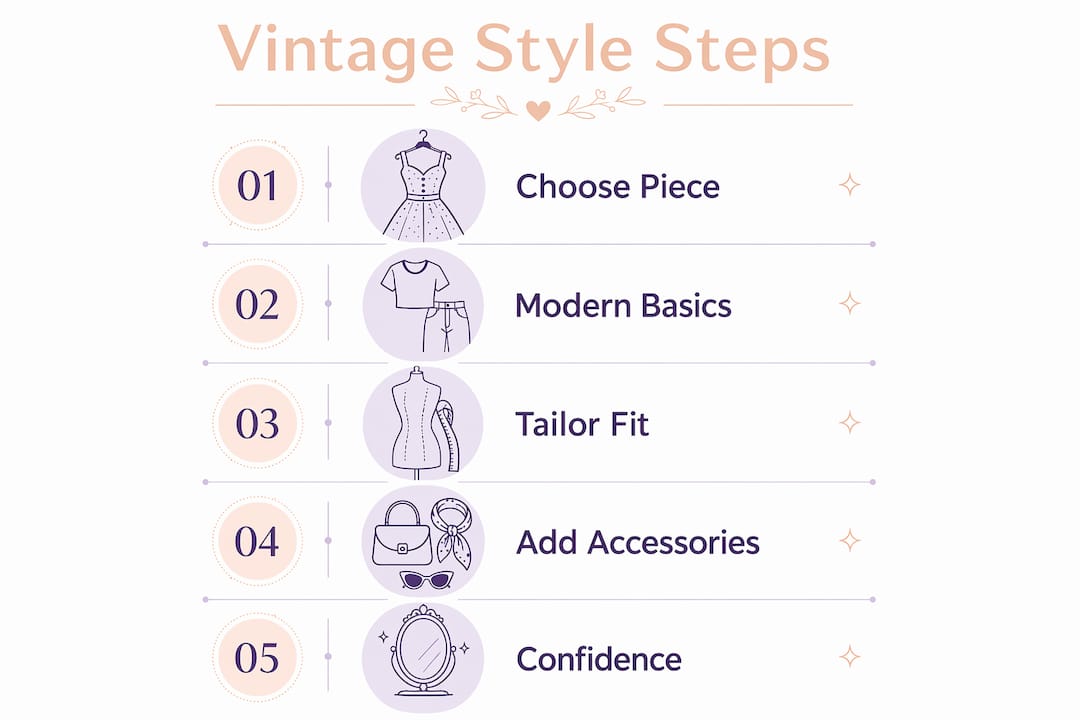
The most effective way to wear vintage fashion today is to pair one standout vintage piece with modern basics, creating a look that feels fresh rather than costumey. Vintage styling, known in fashion circles as “contemporary vintage dressing,” works best when you treat each piece as a design object rather than a historical artifact. Structured blazers, high-waisted denim, and leather jackets from the 1980s and 1990s are the strongest starting points for building a modern vintage wardrobe. Fit, tailoring, and current accessories are what separate a polished outfit from a Halloween costume.
What are the best vintage pieces to wear today?
The strongest vintage investments are structured blazers, high-waisted jeans or trousers, and leather or denim jackets. These pieces share one quality that makes them work across decades: superior construction and versatility. A 1980s blazer often features canvas interlining and horn buttons that modern affordable clothing simply does not replicate. That construction gives the garment shape, weight, and longevity that fast fashion cannot match.
Leather and denim jackets from the 1980s and 1990s are especially worth seeking out. Vintage leather jackets develop a patina and character over years of wear that no new jacket can fake. They work across seasons and pair with everything from tailored trousers to casual jeans. That versatility makes them one of the highest-return vintage purchases you can make.
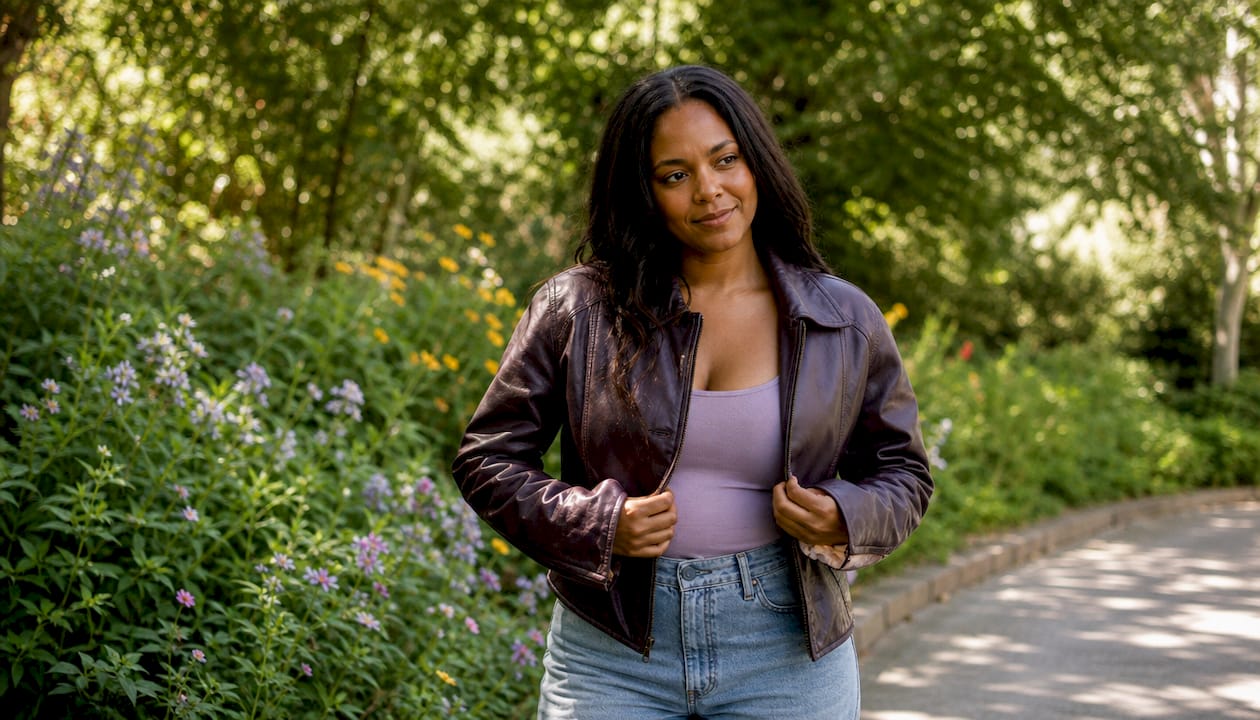
High-waisted trousers and denim from the 1970s and 1990s are another strong category. The cuts are flattering on a wide range of body types, and the denim weight from older decades is noticeably denser and more durable than current production. These pieces also align with classic wardrobe staples that stylists recommend building around.
| Vintage category | Era | Why it works today | Styling versatility |
|---|---|---|---|
| Structured blazer | 1980s | Canvas interlining, quality buttons, strong silhouette | Pairs with jeans, trousers, dresses |
| High-waisted denim | 1970s–1990s | Dense fabric, flattering rise, durable construction | Casual, smart casual, layered looks |
| Leather jacket | 1980s–1990s | Unique patina, weight, and character | Works across all seasons and styles |
| Denim jacket | 1990s | Timeless cut, easy layering piece | Casual to smart casual |
| Silk or satin blouse | 1970s–1980s | Luxurious fabric, elegant drape | Office, evening, or dressed-down |
How do you style vintage clothing without looking like a costume?
The one-vintage-piece rule is the most effective strategy for avoiding a costume look. Wear one standout vintage item per outfit and build the rest of the look with modern basics. A 1970s silk blouse pairs cleanly with straight-leg modern trousers and simple leather sneakers. That single vintage piece becomes the focal point without overwhelming the outfit.
Mixing multiple vintage pieces from different decades creates visual confusion. Combining vintage eras works only when a common thread ties them together, such as a consistent color palette or a shared mood. For most people starting out, one vintage piece per outfit is the cleaner and more wearable approach.
Accessories and grooming are where most people accidentally tip into costume territory. Overdoing period-specific accessories and matching your hair and makeup to the vintage era of your clothing is the fastest way to look like you are dressed for a theme party. Keep your accessories current. A simple gold chain necklace, modern minimalist earrings, or a structured contemporary bag grounds a vintage piece in the present.
Dos and don’ts for vintage-modern combinations:
- Do pair a vintage blazer with slim modern trousers and clean white sneakers
- Do use a vintage leather jacket over a simple modern dress
- Do keep shoes and bags current to anchor the look
- Do choose one vintage piece as the outfit’s focal point
- Don’t wear head-to-toe vintage from the same decade
- Don’t match your hairstyle or makeup to the vintage era
- Don’t layer multiple statement vintage pieces in one outfit
- Don’t ignore proportion. A voluminous vintage top needs slim modern bottoms
Pro Tip: When you find a vintage piece you love, photograph it before you shop for modern pieces to pair with it. Matching colors and proportions is much easier when you can see the vintage item on your phone while browsing.
Why does fit matter more than the vintage label?
Fit is the single biggest factor in whether a vintage piece looks polished or dated. Vintage garment sizes differ significantly from modern sizing, and trusting size labels is a reliable way to end up with something that does not fit. A 1950s size 12 can measure closer to a modern size 4. Always measure the bust, waist, and hip and compare those measurements to the actual garment before buying.
Tailoring is the most direct way to modernize a vintage piece. Hemming, waist adjustments, and shoulder width corrections transform a garment from costume to bespoke. A blazer with slightly wide shoulders can be taken in. A pair of trousers that fits the hips but is too long is a simple hem away from looking custom-made. The cost of basic tailoring is almost always worth it on a quality vintage piece.
The role of tailoring in vintage styling cannot be overstated. A poorly fitting vintage piece, no matter how beautiful, reads as old rather than intentional. A well-fitted one reads as considered and personal.
Tailoring checklist for vintage pieces:
- Measure bust, waist, and hip before buying. Never rely on the tag.
- Prioritize pieces where the shoulders fit. Shoulder alterations are expensive and complex.
- Hem trousers and skirts to a length that works with your current shoe choices.
- Take in the waist on blazers and jackets for a cleaner silhouette.
- Avoid altering rare, designer, or archival pieces. Their value lies in their original construction.
Pro Tip: When shopping vintage in person, bring a soft measuring tape. Check shoulder width first. If the shoulders fit, almost everything else can be altered affordably.
How do you confidently wear vintage fashion in everyday life?
Confidence in vintage styling builds gradually. Starting with a single vintage piece combined with your existing wardrobe basics is the most effective way to build that confidence without feeling like you are wearing a costume. A vintage blouse with your current jeans and sneakers is a low-risk, high-reward starting point. You get to test how the piece feels and how people respond before committing to a fuller vintage aesthetic.
The mindset shift that matters most is treating vintage clothing as a design object rather than a piece of history. When you treat vintage as design, you prioritize balance, proportion, and comfort over historical accuracy. That shift removes the pressure to “get the era right” and lets you focus on what actually looks good on your body today.
Vintage clothing also carries a genuine sustainability benefit. Choosing pre-owned garments reduces demand for new production and keeps well-made pieces in circulation. That is a real and meaningful reason to build a vintage wardrobe, beyond the style payoff. For a deeper look at how investment clothing pieces hold their value over time, the case for vintage only gets stronger.
Here is how to build vintage confidence across different occasions:
- Casual wear: Start with a vintage graphic tee or denim jacket over modern basics. This is the lowest-commitment entry point and the easiest way to test vintage styling.
- Professional settings: A tailored vintage blazer over a modern blouse and slim trousers reads as polished and individual. Avoid anything too embellished or era-specific.
- Evening wear: A 1970s silk blouse or a 1980s beaded top pairs beautifully with modern wide-leg trousers or a simple skirt. Let the vintage piece do the work.
- Weekend styling: Vintage high-waisted jeans with a clean modern fitted top and current sneakers is one of the most wearable and flattering combinations available.
- Garment care: Hand-wash or dry-clean vintage pieces based on their fabric. Store them away from direct sunlight. Proper care extends the life of garments that have already lasted decades.
Key Takeaways
The most effective way to wear vintage fashion today is to pair one tailored vintage piece with modern basics, keeping accessories and grooming current to avoid a costume look.
| Point | Details |
|---|---|
| One-vintage-piece rule | Wear one standout vintage item per outfit and build the rest with modern basics. |
| Best vintage investments | Structured blazers, high-waisted denim, and leather jackets offer the most versatility. |
| Fit over label | Always measure the garment. Vintage size tags are unreliable and often misleading. |
| Tailoring is worth it | Hemming, waist adjustments, and shoulder corrections transform vintage into bespoke. |
| Modern accessories ground the look | Keep shoes, bags, and jewelry current to anchor vintage pieces in the present. |
What wearing vintage actually taught me
Patrick here. When I first started pulling vintage pieces into my wardrobe, I made every mistake in the book. I bought a 1970s blazer two sizes too large because the label said it was my size. I wore it with a vintage shirt, vintage trousers, and vintage shoes. I looked like I was going to a themed dinner, not living my actual life.
The shift happened when I stopped thinking about “wearing vintage” as a category and started thinking about individual pieces. That same blazer, taken in at the waist and paired with slim modern trousers and clean white sneakers, became one of the most-complimented things I owned. Nobody asked if it was vintage. They just said it looked good. That is the goal.
The other thing nobody tells you is how much better old construction feels. A 1980s wool blazer has a weight and structure that most new blazers at any price point simply do not have. Once you feel that difference, it is hard to go back. Vintage is not nostalgia. It is access to a standard of making that has largely disappeared from the mainstream market.
My honest advice: buy one great piece, get it tailored, and wear it with the most modern basics you own. See what happens. The confidence comes from the fit, not from the era.
— Patrick
Where to find modern pieces that complement your vintage style
Wildflowerwardrobe curates women’s fashion that pairs naturally with vintage finds. The collection includes women’s casual wear that works as the modern foundation your vintage pieces need, from clean basics to statement tops that hold their own alongside older garments.
Wildflowerwardrobe also carries jewelry and accessories that keep your look grounded in the present, which is exactly what vintage styling requires. A simple chain necklace or a pair of modern earrings can be the detail that makes a vintage outfit feel intentional rather than accidental. Browse the full collection at Wildflowerwardrobe to find the modern pieces that make your vintage wardrobe work harder.
FAQ
What is the one-vintage-piece rule?
The one-vintage-piece rule means wearing a single vintage item per outfit and pairing it with modern basics. This approach keeps the look balanced and prevents the costume effect that comes from head-to-toe vintage styling.
How do vintage clothing sizes compare to modern sizes?
Vintage sizes run significantly smaller than modern equivalents. A 1950s size 12 can measure closer to a modern size 4, so always measure the actual garment at the bust, waist, and hip before buying.
Which vintage pieces are worth buying first?
Structured blazers, high-waisted denim, and leather jackets offer the best combination of construction quality and styling versatility. These pieces pair easily with modern basics and work across multiple occasions.
Should I tailor vintage clothing?
Tailoring standard vintage pieces is one of the most effective ways to modernize them. Hemming, waist adjustments, and shoulder corrections dramatically improve fit. Avoid altering rare or designer archival pieces, as their original construction is part of their value.
How do I avoid looking like I am wearing a costume?
Keep accessories, shoes, and grooming current rather than matching them to the vintage era of your clothing. One vintage piece per outfit, paired with modern items and contemporary accessories, is the clearest path to a polished rather than period-specific look.
0 comments