

The high-low mix is a deliberate styling strategy that pairs key luxury “anchor” pieces with affordable basics to create polished, personalized looks without overspending. Fashion editors, stylists, and everyday women have used this approach for years. The goal is not to fake wealth. The goal is to dress with intention. Knowing how to mix luxury and affordable fashion means understanding which pieces earn a higher price tag and which ones you can source from Zara, H&M, or Nordstrom for under $150. In 2026, that knowledge is more relevant than ever.
What are the best luxury anchor pieces to invest in?
The anchor piece concept is the foundation of high-low mix fashion. An anchor piece is a high-quality item you wear repeatedly across many outfits. Because you wear it so often, the cost per wear drops dramatically over time. That math is what justifies the higher price.
The strongest anchor pieces share three qualities: they are made from natural materials, they are timeless in silhouette, and they hold or gain resale value.
- Fine jewelry. Gold hoop earrings, a delicate chain necklace, or a simple pendant work with almost any outfit. Jewelry is the easiest luxury anchor because it never needs to fit your body perfectly.
- Leather handbags. A structured leather bag reads expensive regardless of what you wear with it. It also ages well and holds resale value better than most clothing.
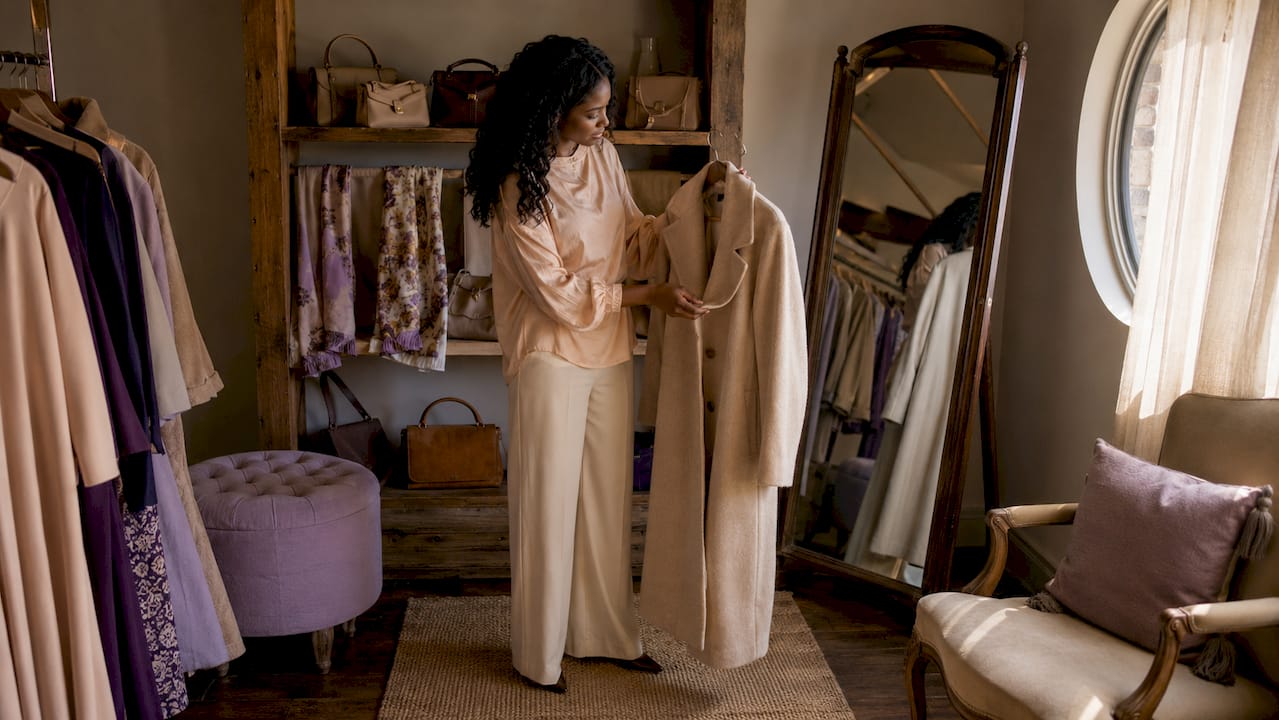
- Wool outerwear. A well-cut wool coat worn over a $30 H&M turtleneck still looks expensive. Outerwear is visible in every outdoor photo and first impression.
- Quality shoes. Leather loafers, clean white sneakers, or a classic heel in neutral suede ground an outfit. Worn-down or synthetic shoes undermine everything above them.
Natural fiber content, including 100% wool, silk, and cotton, signals quality far more than a logo does. Fabric quality is one of the strongest visual indicators of an expensive look. Polyester blends catch light differently and pill faster, which makes even a pricey garment look cheap within a season.
Pro Tip: Before buying any anchor piece, ask yourself if you can name at least five outfits you already own that it would work with. If you cannot, it is not an anchor. It is a splurge.
How to choose affordable pieces that look expensive
Affordable chic fashion is not about buying the cheapest option. It is about buying the right option at a lower price point. Fashion editors source chic, expensive-looking items under $150 at mass-market retailers, targeting specific pieces that keep total outfit spend below $250. That discipline is the difference between looking polished and looking like you tried too hard.
When shopping for affordable basics to complement your anchors, apply these criteria:
- Natural or blended fibers. Prioritize cotton, linen, Tencel, and wool blends. Fabrics like lyocell and Tencel drape similarly to silk at a fraction of the cost.
- Neutral color palette. Camel, ivory, navy, black, and gray coordinate with almost every anchor piece you own. Neutral basics also photograph better and age more gracefully.
- Clean silhouettes. Avoid excessive embellishment, visible logos, or trend-heavy details on your basics. These date quickly and clash with timeless anchors.
- Good fit off the rack. If a piece fits well in the shoulders and chest, a tailor can fix the rest cheaply. If the shoulders are wrong, no alteration will save it.
Zara, H&M, and Nordstrom all carry pieces that meet these criteria. Faux leather jackets, lace-trimmed skirts, and kitten heel sandals are specific examples of affordable items that read as high-end when paired with the right anchors. Thrift stores and consignment shops also deliver natural fiber finds at steep discounts, especially in larger cities where donation quality runs high.
Pro Tip: Shop end-of-season sales in february and august. Retailers discount quality basics by 40–70% to clear inventory. That is the best time to stock up on wool sweaters, linen trousers, and leather-look boots.
Common mistakes to avoid: wearing visible logos on affordable pieces, layering too many competing prints, and choosing synthetic fabrics that pill after two washes. These choices signal budget rather than style.
What styling techniques blend high-end and budget pieces well?
True style is about proportions, texture, and fit, not price. Luxury and affordable fashion are complementary, not oppositional. The techniques below are what stylists use to make a $40 blouse look like it belongs next to a $600 bag.
- Contrast textures deliberately. Pair a silk blouse with raw-hem denim. Wear a leather jacket over a soft cotton dress. Texture contrast creates visual interest and makes each piece stand out more than it would alone.
- Balance proportions. A voluminous affordable skirt pairs best with a fitted luxury top. An oversized budget blazer works with slim trousers. When both pieces are oversized, the outfit loses shape and looks sloppy.
- Tailor your affordable pieces. A tailored $90 blazer can look more expensive than an ill-fitting $3,000 designer piece. Tailoring is the single most effective way to upgrade affordable clothing. A hem, a dart, or a taken-in waist costs $15–$40 and transforms how a garment reads.
- Use accessories as the luxury signal. A structured bag or a gold-plated earring and necklace set draws the eye upward and sets the tone for the whole outfit. When your accessories are strong, the budget pieces below them benefit from the association.
- Layer with intention. A cashmere cardigan draped over a $25 tank top reads as effortless and expensive. A luxury scarf tied to a budget tote bag upgrades both. Layering works when each piece adds texture or color without adding visual noise.
- Stick to a monochromatic palette for easy polish. Wearing one color family from head to toe, with variation in texture, is the fastest way to look put-together. It also makes mixing price points invisible.
Pro Tip: Steam your clothes before every wear. Wrinkles are the fastest way to make an expensive piece look cheap and a cheap piece look terrible. A $30 travel steamer is one of the best wardrobe investments you can make.
What shopping and maintenance habits keep your wardrobe looking expensive?
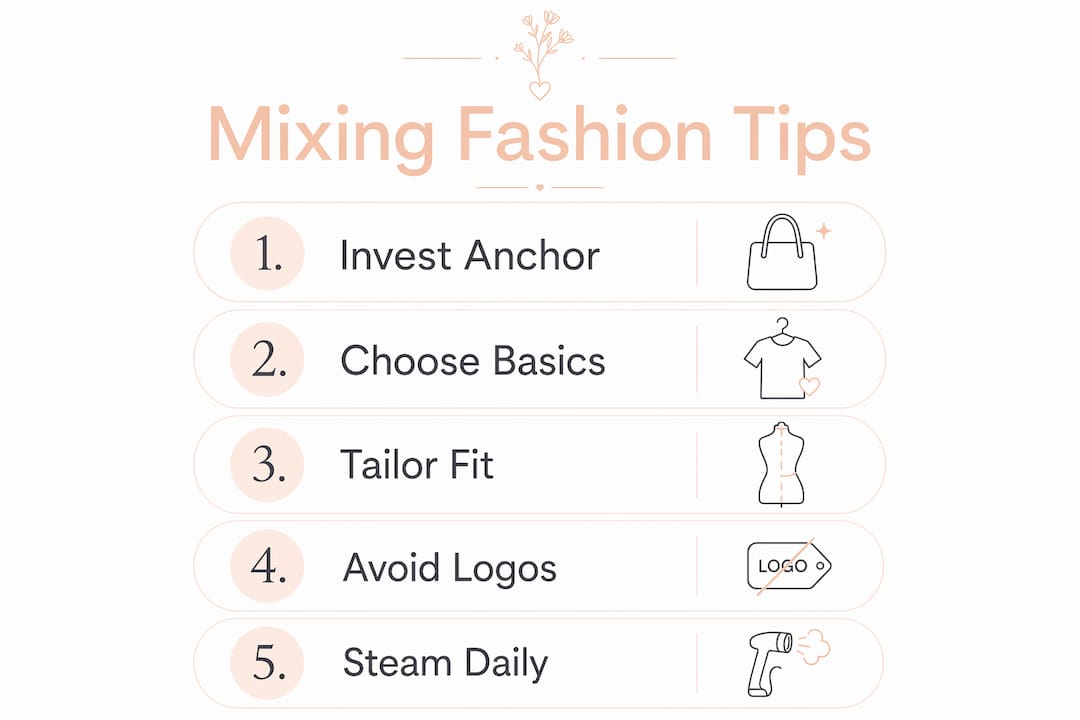
Strategically saving on trends and spending on foundational pieces leads to a sustainable, luxurious wardrobe on a budget. The shopping habits below make that strategy work in practice.
Smart spending rules:
- Spend more on pieces you wear at least twice a week. Spend less on anything trend-driven or seasonal.
- Use direct-to-consumer brands for luxury-grade materials at lower prices. Brands like Rise & Fall offer luxury-grade materials at prices 50–75% lower than designer counterparts. That gap is significant when you are building a wardrobe from scratch.
- Buy affordable basics in multiples when you find a good fit. A $22 cotton T-shirt that fits perfectly is worth buying in three colors.
Maintenance habits that protect your investment:
| Habit | Why it matters |
|---|---|
| Steam garments before wearing | Removes wrinkles without damaging fabric fibers |
| Polish leather shoes monthly | Extends shoe life and maintains a sharp appearance |
| Store knitwear folded, not hung | Prevents stretching and shoulder bumps |
| Wash delicates in a mesh bag | Protects fabric from friction and pilling |
| Rotate your bags | Prevents shape loss and leather cracking |
Wardrobe editing is just as important as shopping. Remove pieces that no longer fit, feel worn out, or clash with your current anchors. A smaller, cohesive wardrobe is easier to style and makes every outfit feel more intentional. You can dress confidently on a budget when every piece in your closet earns its place.
For sustainable shopping, look for brands that use natural fibers and transparent supply chains. Eco-friendly wardrobe building and high-low mix styling share the same core principle: buy less, buy better.
Key Takeaways
The most effective way to mix luxury and affordable fashion is to invest in timeless anchor pieces made from natural materials, then fill your wardrobe with well-fitted, neutral basics from retailers like Zara, H&M, and Nordstrom.
| Point | Details |
|---|---|
| Anchor pieces drive the look | Invest in leather bags, fine jewelry, wool coats, and quality shoes for lasting cost-per-wear value. |
| Fabric beats logo every time | Natural fibers like wool, silk, linen, and Tencel signal quality more than any brand name. |
| Tailoring is non-negotiable | A well-fitted $90 blazer outperforms an ill-fitting $3,000 designer piece every time. |
| Shop sales with a plan | End-of-season sales in february and august offer 40–70% off quality basics worth stocking up on. |
| Maintenance extends every investment | Steaming, polishing, and proper storage keep both luxury and affordable pieces looking sharp longer. |
Why fit and fabric matter more than the price tag
The fashion industry spends a lot of energy convincing you that the label is the point. After years of paying attention to how women actually dress, I am convinced that is wrong. The women who look most put-together are not the ones spending the most. They are the ones who understand fit, fabric, and proportion.
I have watched a $45 Zara blazer, tailored at the waist, outperform a $900 designer version worn straight off the rack. The difference was not the brand. It was the fit. That single observation changed how I think about wardrobe investment entirely.
The other thing most style guides skip is maintenance. A luxury leather bag that is not conditioned looks worse than a well-cared-for budget bag within a year. The same is true for shoes, knitwear, and outerwear. Maintenance is not glamorous, but it is what separates a wardrobe that looks expensive from one that used to.
My honest advice: pick two or three anchor pieces you genuinely love and build everything else around them. Stop chasing trends with your anchor budget. Trends belong in the affordable column. Foundations belong in the investment column. That one shift in thinking will do more for your style than any single purchase.
— Patrick
Discover Wildflowerwardrobe’s high-low mix collection
Wildflowerwardrobe curates pieces built exactly for this kind of styling. Whether you are looking for a statement bag to anchor a simple outfit or jewelry that reads expensive without the price tag, the collection delivers both.
The women’s casual wear collection features versatile basics in clean silhouettes that pair naturally with luxury anchors. For jewelry, the Wildflowerwardrobe jewelry collection includes gold-plated sets and chain necklaces that function as true anchor pieces at accessible prices. If you want a bag that does the heavy lifting, the Fame Multi Belt Strap Shoulder Bag is a structured statement piece that upgrades any outfit instantly. Browse the full site at Wildflowerwardrobe to find your next anchor.
FAQ
What is the high-low mix in fashion?
The high-low mix is a styling strategy that pairs luxury anchor pieces with affordable basics to create polished outfits without overspending. Anchor pieces include leather bags, fine jewelry, wool coats, and quality shoes.
Which affordable brands work best for mixing with luxury?
Zara, H&M, and Nordstrom consistently offer chic, well-cut pieces under $150 that coordinate with luxury anchors. The key is choosing natural fiber blends and neutral colors rather than trend-heavy or logo-heavy items.
Does tailoring really make affordable clothes look expensive?
Yes. A tailored affordable blazer can look more expensive than an ill-fitting designer piece. Tailoring a hem or waist typically costs $15–$40 and is the single most effective upgrade for budget clothing.
When is the best time to buy quality basics on sale?
End-of-season sales in february and august offer 40–70% off quality basics. These are the best windows to stock up on natural fiber staples like wool sweaters, linen trousers, and leather-look boots.
How do I avoid looking like I am wearing cheap clothes?
Prioritize fit, natural fabrics, and a neutral color palette. Avoid visible logos on affordable pieces, synthetic fabrics that pill quickly, and chaotic layering. Fit and fabric quality are stronger style signals than any price tag.
0 comments