

Dressing confidently on a budget is defined by three decisions: fit, versatility, and intentional spending. The price tag on your clothes matters far less than how they sit on your body and how deliberately you’ve built your wardrobe. Research from Proteck’d confirms that fit outweighs price in signaling style confidence and perceived competence. The average American household spends $1,945 annually on apparel, which means most women already have the budget. The real issue is how that money gets spent. Concepts like the capsule wardrobe, cost-per-wear, and basic tailoring are the professional stylist’s toolkit. They work at any price point.
How does fit impact confident dressing on a budget?
Fit is the single most important factor in how clothing is perceived, and it costs nothing to prioritize. People make snap judgments about competence and trustworthiness based on clothing fit within seconds of seeing someone. A $20 blouse that fits perfectly reads as more polished than a $150 blouse that pulls across the shoulders or bags at the waist. This is not a style opinion. It is how human perception works.
The most practical fix for budget clothing that almost fits is tailoring. Professional tailoring costs $15 to $40 per item and transforms how a garment looks on your body. A $30 pair of trousers hemmed to your exact inseam will outlast and outperform a $90 pair worn as-is. That $15 to $40 investment is the highest return you can get in fashion.
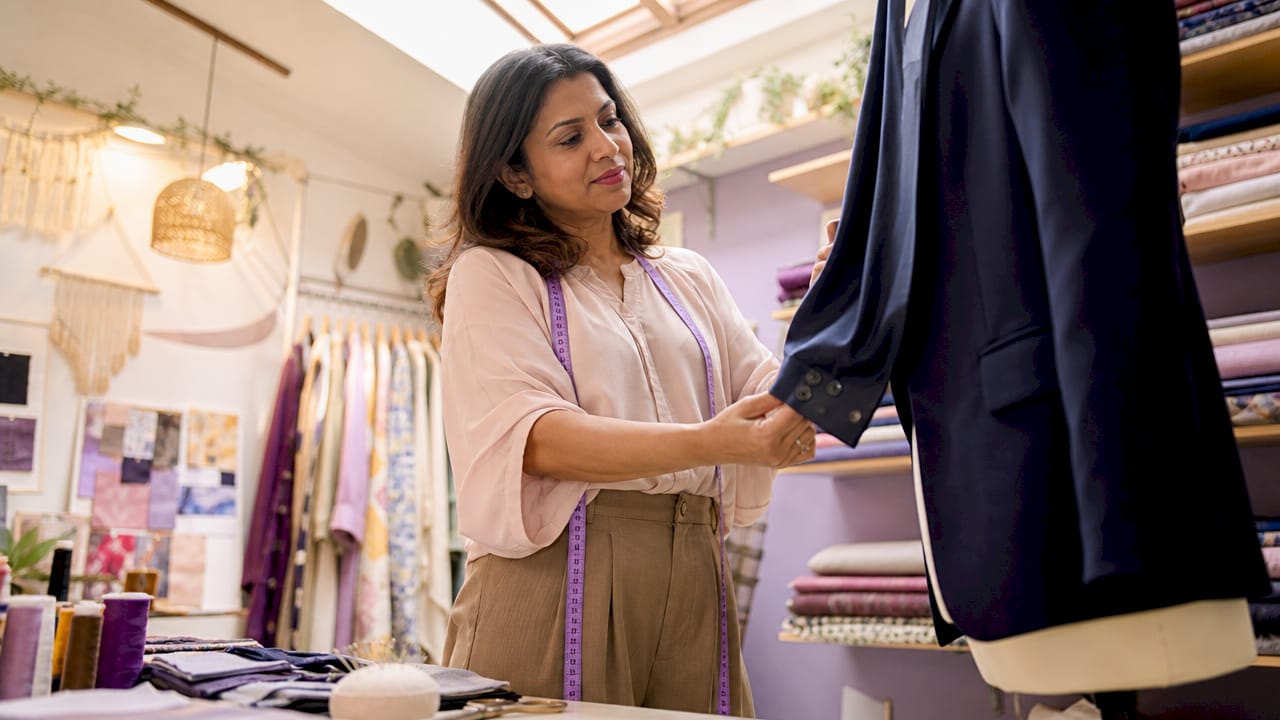
One rule that saves money and frustration: never buy an item with ill-fitting shoulders. Reconstructing jacket shoulders is one of the most expensive tailoring jobs and rarely produces a clean result. Shoulders must fit off the rack. Everything else, from the waist to the hem, is adjustable.
Before buying any piece, use the scrunch test. Natural fibers retain drape with minimal wrinkling when scrunched in your hand, while synthetics often spring back with permanent-looking creases. This test takes five seconds and tells you whether a garment will look cheap after one wear.
Key fit habits to build:
- Measure your bust, waist, hips, and inseam before shopping online
- Always check shoulder seams first when trying on structured pieces
- Budget $15 to $40 per key piece for tailoring adjustments
- Use the scrunch test on any fabric before purchasing
- Prioritize fit over color, print, or brand when making a final decision
Pro Tip: When shopping at stores like Target, H&M, or Zara, bring a tailor’s eye. Buy the size that fits your shoulders and largest measurement, then tailor everything else down. It is always easier to take in than to let out.
What is a capsule wardrobe and how does it maximize budget outfits?
A capsule wardrobe is a curated collection of 30 to 40 versatile pieces that mix and match to create hundreds of outfit combinations without requiring constant new purchases. The concept, popularized by designer Donna Karan in the 1980s, is now the foundation of every smart budget dresser’s strategy. Fewer pieces, more combinations, less money spent over time. You can read a full breakdown of how to build yours at Wildflowerwardrobe.
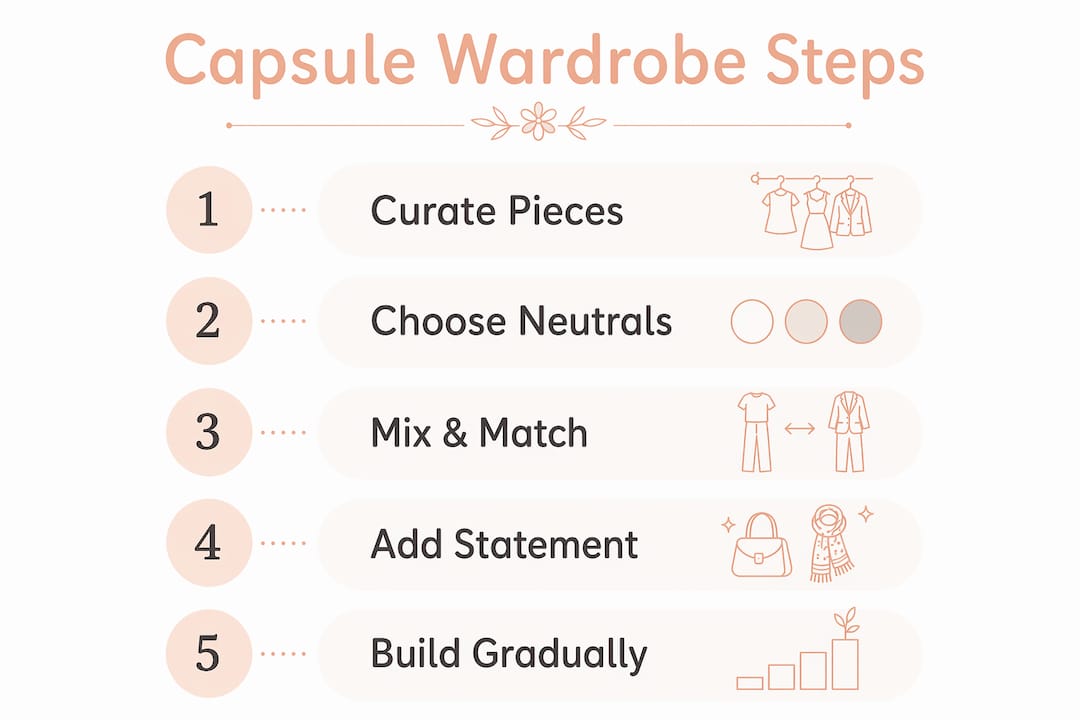
The power of a capsule wardrobe comes from color coordination. When your pieces share a neutral base, such as navy, white, black, camel, and gray, every item works with every other item. Adding two or three accent colors in accessories gives you variety without chaos. This is why stylists consistently recommend building around neutrals and muted tones rather than seasonal prints.
The “third piece” rule is one of the most underused styling tools available. Adding a blazer or belt to a basic outfit instantly adds structure and signals intentionality. A white t-shirt and jeans becomes a polished look the moment you add a tailored blazer. The third piece does not need to be expensive. A $25 blazer from a thrift store or a $15 belt from a department store achieves the same effect. For more ideas on versatile wardrobe pieces that anchor a capsule, Wildflowerwardrobe has a dedicated guide.
| Capsule piece | Budget-friendly approach |
|---|---|
| White button-down shirt | Buy at thrift stores or H&M; tailor the waist for $15 |
| Dark wash straight jeans | Invest up to $60; cost-per-wear makes it worthwhile |
| Tailored blazer | Thrift or buy on sale; the third piece that elevates everything |
| Neutral ankle boots | Spend more here; shoes anchor every outfit |
| Simple knit sweater | Buy in two neutrals; pairs with everything in the wardrobe |
Pro Tip: Build your capsule slowly. Identify the three biggest gaps in your current wardrobe and fill only those before buying anything else. Rushing the process leads to impulse purchases that don’t integrate with what you already own.
How to shop smart and invest wisely for affordable style
Cost-per-wear is the calculation that changes how you shop. A $100 jacket worn 200 times costs $0.50 per wear. A $30 jacket worn five times before it falls apart costs $6.00 per wear. The cheaper item costs twelve times more in real terms. Once you internalize this math, your shopping decisions shift permanently toward quality in the pieces you reach for most.
The practical rule is to spend more on shoes, outerwear, and wardrobe basics, and spend less on trendy pieces or occasion-specific items. Shoes take physical abuse daily and anchor every outfit visually. A well-made pair of leather ankle boots from a brand like Sam Edelman or Steve Madden, bought on sale, will outlast three seasons of cheap alternatives. Trendy pieces, by contrast, have a short style life. Buy those at lower price points and replace them when the trend passes.
Here is a four-step shopping framework that prevents wasted spending:
- Define your personal style in writing. Write down three adjectives that describe how you want to dress. “Classic, minimal, polished” or “relaxed, colorful, feminine.” Every purchase gets evaluated against those three words.
- Shop with a list. Identify the specific gaps in your wardrobe before you open any app or walk into any store. Browsing without a list is how impulse purchases happen.
- Apply the 48-hour rule. A 48-hour waiting period before any non-essential purchase eliminates emotional buying. The urgency fades. The rational evaluation takes over.
- Upgrade gradually. Replace one low-quality staple per month with a better version. Over six months, your wardrobe transforms without a single large expenditure.
Pro Tip: Use the Wildflowerwardrobe guide on updating your wardrobe without overspending as a planning tool before your next shopping trip. It maps out exactly which pieces to prioritize.
How to style and maintain budget clothes to always look polished
Garment care is the most overlooked confidence tool in fashion. Proper washing, stain removal, and wrinkle-free presentation dramatically elevate the perceived quality of budget clothing at zero cost. A $15 blouse that is clean, pressed, and lint-free reads better than a $60 blouse that is wrinkled and pilling. The difference is maintenance, not money.
Monochrome dressing in neutrals creates a polished, elongated look that stylists consistently describe as intentional and expensive regardless of price. Wearing all-black, all-camel, or all-navy from head to toe is one of the fastest ways to look put-together without buying anything new. It works because the eye reads the outfit as a deliberate choice rather than a random assembly of pieces.
Accessories are the budget dresser’s most powerful tool. Matching your bag, belt, and shoes in the same color family creates visual cohesion that signals style awareness. You do not need expensive jewelry to achieve this. A well-chosen pair of gold hoops, a structured tote, and a leather belt in the same warm tone creates an outfit that looks considered. For expert guidance on jewelry styling, USA Jewels offers a practical breakdown of how to accessorize for any occasion without overspending.
Daily habits that keep budget clothes looking expensive:
- Wash clothes inside out in cold water to preserve color and fabric integrity
- Use a fabric shaver on any knitwear that starts to pill
- Hang clothes immediately after wearing to prevent wrinkle set
- Keep a lint roller at your desk and in your bag for last-minute touch-ups
- Store shoes in boxes or on a rack to maintain their shape
Pro Tip: Posture and grooming are free style upgrades. Standing tall in a $20 dress reads more confidently than slouching in a $200 one. Confidence is the accessory that no budget can buy but every woman already owns.
Common mistakes that undermine budget style confidence
The most expensive mistake budget shoppers make is buying too many low-quality items instead of fewer, better ones. Ten $10 tops that fade, pill, and lose shape after three washes cost $100 and leave you feeling like you have nothing to wear. Three $30 tops that hold their color and structure for two years cost the same and build a wardrobe that works.
Mistakes to stop making immediately:
- Ignoring fit entirely. Buying something because it is on sale, even though it does not fit your shoulders or waist, is money wasted.
- Shopping without a plan. Browsing without a list produces impulse buys that do not integrate with your existing wardrobe and create the “full closet, nothing to wear” problem.
- Skipping tailoring. Spending $15 to $40 to tailor a $25 piece feels counterintuitive but produces a result that looks twice the price.
- Buying colors that don’t connect. A bright orange top that matches nothing else you own will sit unworn regardless of how much you loved it in the store.
- Relying on brand names as a quality shortcut. Price and brand do not guarantee fit or longevity. Evaluate every piece on its own merits.
The wardrobe essentials guide at Wildflowerwardrobe is a useful reference for identifying which pieces are worth spending more on and which categories are safe to buy at lower price points.
Key takeaways
Dressing confidently on a budget requires fit as the non-negotiable foundation, a capsule wardrobe of 30 to 40 versatile pieces, and a cost-per-wear mindset that prioritizes value over sticker price.
| Point | Details |
|---|---|
| Fit is the foundation | Tailoring costs $15 to $40 per item and makes budget clothes look expensive. |
| Build a capsule wardrobe | 30 to 40 versatile pieces in a neutral palette create hundreds of outfit combinations. |
| Calculate cost-per-wear | A $100 item worn 200 times costs less per wear than a $30 item worn five times. |
| Maintain your clothes | Proper washing, pressing, and lint removal elevate perceived quality at no cost. |
| Apply the 48-hour rule | Waiting 48 hours before non-essential purchases eliminates most impulse buying mistakes. |
Why fit changed everything I thought I knew about budget fashion
I spent years buying more to feel better dressed. More tops, more sale finds, more “I’ll figure out how to wear it later” pieces. The closet was full and the confidence was not there. The shift happened when I stopped asking “Is this cheap enough?” and started asking “Does this fit?”
The first time I took a $28 blazer from a thrift store to a tailor and spent $20 having it taken in at the waist, I wore it three times that week. It looked like something from a boutique. That experience made the cost-per-wear math real in a way no article had managed before.
Building a capsule wardrobe felt restrictive at first. Fewer pieces sounds like less choice. The opposite is true. When everything in your closet works together, getting dressed takes two minutes and you walk out feeling intentional rather than thrown together. That feeling is what confidence actually looks like in practice.
The mindset shift I’d encourage every woman to make is this: patience is a style strategy. Buying one right piece is always better than buying three wrong ones. Your wardrobe does not need to be rebuilt overnight. It needs to be rebuilt deliberately.
— Patrick
Discover your next wardrobe staple at Wildflowerwardrobe
Wildflowerwardrobe curates women’s clothing and accessories designed to work exactly the way this article describes: versatile, polished, and priced for real life. Whether you are building a capsule wardrobe from scratch or filling a specific gap, the women’s casual wear collection offers pieces that mix, match, and hold their look wash after wash. From everyday basics to statement accessories and jewelry, every item is selected to support confident dressing without the luxury price tag. Browse the full Wildflowerwardrobe collection and shop with the intention this article gave you.
FAQ
What is the most important factor in dressing confidently on a budget?
Fit is the single most critical factor. Research confirms that people judge competence and style based on how clothing fits, not how much it costs.
How much does tailoring cost for budget clothing?
Professional tailoring costs between $15 and $40 per item. That investment transforms the look of budget pieces and is consistently the highest-return spend in affordable fashion.
How many pieces does a capsule wardrobe need?
A functional capsule wardrobe requires 30 to 40 versatile pieces. When coordinated in a neutral color palette, those pieces generate hundreds of outfit combinations.
What is the 48-hour rule for shopping on a budget?
The 48-hour rule means waiting two full days before completing any non-essential purchase. The emotional urgency fades, and rational evaluation takes over, cutting impulse buys significantly.
Does monochrome dressing actually make budget outfits look more expensive?
Yes. Wearing one color from head to toe, particularly in neutrals like black, camel, or navy, creates a polished, intentional look that stylists consistently identify as one of the most effective ways to look expensive at any price point.
0 comments