

Shoes are the primary architectural element that defines and anchors every outfit you wear. The role of shoes completing outfits goes far beyond color matching. Shoes set proportions, communicate your personal style, and determine whether a look feels polished or off. Fashion stylists recognize footwear as the first visual element the eye processes when judging an ensemble. Get the shoes right, and the rest of the outfit falls into place. Get them wrong, and even the most carefully chosen clothing loses its impact.
How do shoes influence the visual balance and proportions of an outfit?
Shoes function as the anchor of an outfit’s visual composition, directly shaping how your body proportions read to others. The eye travels downward and lands on your feet. What it finds there either grounds the look or throws it off balance.
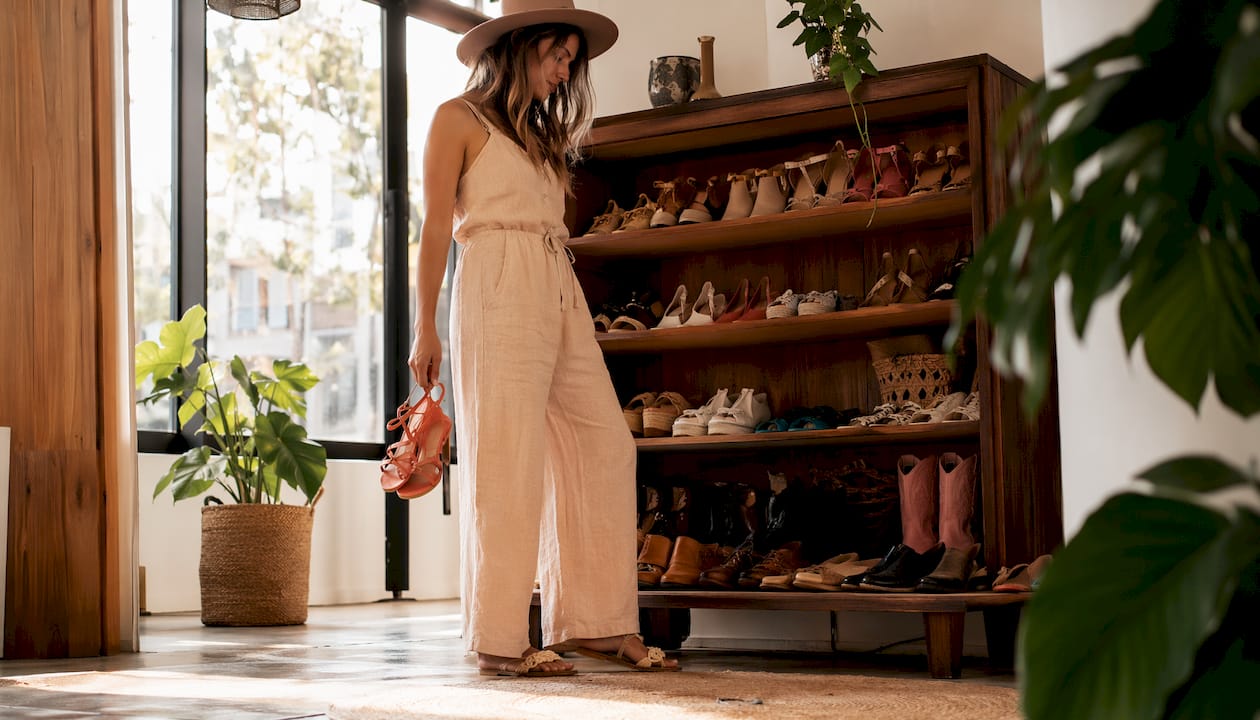
The relationship between your shoe and your pant hem is the most critical style decision in outfit building. Veteran stylists call this the style handshake. A wide-leg trouser paired with a delicate strappy sandal creates visual conflict. The same trouser with a block-heeled mule or a pointed flat reads as intentional and cohesive.
Three color strategies consistently produce outfit cohesion when matching shoes to clothing:
- Match: Choose a shoe color that mirrors your pants or skirt hem. This elongates the leg line and creates a clean, uninterrupted silhouette.
- Echo: Pick up a color already present in your top, bag, or accessory. This ties the outfit together without requiring an exact match.
- Neutralize: Use a neutral shoe in beige, white, black, or tan. Neutral shoes work with almost any outfit and let your clothing do the talking.
Visual weight matters just as much as color. Chunky platform shoes carry more visual mass and balance well with full skirts or wide-leg pants. Slim stilettos or pointed flats work best with tailored trousers or fitted midi skirts. Pairing heavy shoes with light, flowy clothing creates imbalance. The same applies in reverse.
Pro Tip: Start building your outfit from the shoes up. Choose your footwear first, then select your pants or skirt based on how the hem interacts with the shoe’s silhouette. This single habit prevents most proportion mistakes.
In what ways do shoes communicate personal style and mood?
Footwear has evolved into a central storytelling piece in modern fashion, communicating personal and professional identity more effectively than most accessories. A shoe is “instantly legible.” People read your footwear before they register your bag or your jewelry.
Shoes belong to distinct style families, and aligning those families with your clothing is what separates a cohesive look from a confused one. The four style families are:
- Classic: Leather loafers, pointed-toe pumps, ballet flats. These signal polish, reliability, and quiet authority.
- Modern: Chunky sneakers, square-toe mules, architectural heels. These read as current, confident, and fashion-aware.
- Powerful: Structured boots, high block heels, platform oxfords. These project strength and intention.
- Relaxed: Slip-on sandals, espadrilles, canvas sneakers. These communicate ease, approachability, and casual confidence.
Styling failures often come from habitual shoe selection rather than intentional choices. Many women reach for the same pair of white sneakers regardless of the outfit. White sneakers are versatile, but pairing them with a silk slip dress sends a mixed style signal. The shoe’s style family and the clothing’s style family need to speak the same language.
The mood shift a shoe creates is real. A midi dress with white sneakers reads as casual and approachable. The same dress with a pointed kitten heel reads as polished and put-together. Neither is wrong. But knowing the difference gives you control over how you show up.
How does shoe comfort affect your presence and outfit impression?
Uncomfortable shoes sabotage the outfit by negatively affecting how you carry yourself. Posture is the invisible layer of every outfit. When your feet hurt, your shoulders drop, your stride shortens, and your confidence reads as absent. No amount of great clothing compensates for that.
Fit factors that directly affect posture include arch support, heel height relative to your natural gait, and toe box shape. A narrow pointed toe that compresses your foot forces a compensating walk. A heel height beyond your comfortable range creates visible tension in your stride. Both undermine the polished impression you are working toward.
Sophistication in footwear is harder to fake than sophistication in clothing. Shoes reveal quality through their structure, their sole wear, and the way they hold their shape over time. A well-constructed shoe maintains its silhouette and supports your foot correctly, which keeps your posture strong and your outfit looking intentional.
Balancing style and comfort is not a compromise. It is a skill. The goal is finding shoes that look exactly as you want them to look and feel good enough to wear with confidence for the full duration of your day or event.
Pro Tip: When shopping for shoes you plan to wear for extended periods, walk on a hard floor in the store for at least five minutes. Carpet hides fit problems that hard surfaces reveal immediately.
What practical strategies help you select shoes for every occasion?
Building a versatile shoe wardrobe requires fewer, more purposeful pairs rather than a large collection of shoes that overlap in function. The goal is to cover three distinct roles: polished, comfortable, and statement.
A practical approach to outfit coordination follows these steps:
- Start with the occasion. Identify the setting first: work, casual, evening, or active. The occasion determines the style family your shoe needs to belong to.
- Choose your bottom half. Select your pants, skirt, or dress based on the occasion. Note the hem length and silhouette.
- Apply a color strategy. Decide whether to match, echo, or neutralize. Check your outfit for existing colors before defaulting to black.
- Match visual weight. Pair chunky shoes with fuller silhouettes and slim shoes with tailored or fitted pieces.
- Add one anchor piece. A belt, bag, or accessory that connects the shoe color or style to the rest of the outfit reinforces cohesion.
The table below shows which shoe types work best for each occasion and which color strategy applies most reliably.
| Occasion | Best shoe types | Color strategy |
|---|---|---|
| Work | Loafers, block heels, pointed flats | Match or neutralize |
| Casual daytime | Sneakers, sandals, mules | Echo or neutralize |
| Evening out | Heeled sandals, pumps, ankle boots | Match or echo |
| Weekend errands | Slip-ons, canvas sneakers, flat sandals | Neutralize |
| Special events | Statement heels, embellished flats | Echo or match |
Women who understand versatile pieces know that a nude block heel, a white sneaker, and a black ankle boot cover the majority of outfit needs across all three roles. Adding one statement shoe for events rounds out a functional core wardrobe. Owning dozens of shoes matters far less than owning the right ones.
Pro Tip: Lay your full outfit flat on a bed, including the shoes, before you get dressed. Seeing the complete picture from above reveals proportion and color issues that are hard to spot while wearing the pieces.
Key Takeaways
Shoes are the single most powerful tool for completing, balancing, and expressing your outfit’s full potential across every occasion.
| Point | Details |
|---|---|
| Shoes anchor visual balance | The shoe-to-hem relationship shapes body proportions and determines outfit cohesion. |
| Three color strategies work | Match, echo, or neutralize shoe color to create a polished, intentional look every time. |
| Style families must align | Shoes belong to classic, modern, powerful, or relaxed families that need to match your clothing’s tone. |
| Comfort shapes your presence | Uncomfortable shoes alter posture and undermine confidence, making even great outfits look less polished. |
| Build a role-based wardrobe | Three purposeful pairs covering polished, comfortable, and statement needs outperform a large, unfocused collection. |
Why shoes are the last thing women should treat as an afterthought
I have watched women spend forty-five minutes choosing a dress and thirty seconds grabbing shoes on the way out the door. That imbalance is the single most common styling mistake I see. The dress is the canvas. The shoes are the frame. You would not hang a painting in the wrong frame and call it finished.
The moment that changed how I think about footwear was watching a woman in a perfectly tailored blazer and wide-leg trousers walk into a room wearing worn-down sneakers that belonged to a different outfit entirely. The clothes were excellent. The shoes erased all of it. The eye landed on the mismatch and stayed there.
What I have found actually works is treating shoes as the first decision, not the last. When you accessorize a simple outfit starting from the ground up, every other choice becomes easier. The shoe sets the tone, the proportion, and the style family. Everything else follows.
The other thing I would push back on is the idea that comfort and style are in tension. They are not. Discomfort shows up on your face and in your walk. A shoe that looks stunning but makes you wince by noon is not doing its job. The best shoe you own is the one that looks exactly right and lets you move through your day without thinking about your feet.
— Patrick
Wildflowerwardrobe has the shoes to finish every look
Finding shoes that genuinely complete your outfits means having options that cover every occasion without sacrificing comfort or style. Wildflowerwardrobe curates women’s fashion with exactly that balance in mind.

The women’s casual wear collection at Wildflowerwardrobe includes versatile pieces designed to work across casual, work, and evening looks. Pair your footwear with coordinating accessories from the jewelry collection to create the anchor pieces that tie your outfit together. Every item is selected to support real women building real wardrobes, not just runway moments.
FAQ
What is the role of shoes in completing an outfit?
Shoes serve as the visual anchor of an outfit, influencing body proportions, style cohesion, and the overall impression the look creates. They are the first element the eye processes and the last detail that either confirms or undermines the outfit’s success.
How do I match shoes to my outfit’s color?
Use one of three strategies: match the shoe color to your pant hem or skirt, echo a color already present in your outfit, or choose a neutral shoe in beige, black, or tan. Each approach produces cohesion without requiring an exact color match.
Why do stylists recommend building outfits starting with shoes?
Starting with shoes forces intentional decisions about proportion and style family before other clothing choices are made. The pant hem and shoe combination is the most critical visual relationship in an outfit, so resolving it first prevents mismatches.
How does shoe comfort affect how an outfit looks?
Uncomfortable shoes alter posture, which changes how confident and polished you appear. Proper fit, arch support, and appropriate heel height keep your stride natural and your overall presence strong, which directly supports the outfit’s effectiveness.
How many shoes do I actually need for a complete wardrobe?
A core wardrobe of three to five purposeful pairs covers most needs: one polished option for work, one comfortable everyday shoe, and one statement pair for events. Owning fewer, well-chosen shoes produces better outfit coordination than a large, unfocused collection.
0 comments