

Your buying habits are one of the most direct forces shaping the fashion industry. How buying small changes the fashion industry is not a theory. It is a measurable shift: when shoppers choose fewer, better items, brands respond by producing less, sourcing cleaner materials, and paying fairer wages. The industry term for this shift is “conscious consumption,” and it works through demand signals. Every purchase you make tells a brand what to make next. This article breaks down the economics, the psychology, and the practical steps that turn your wardrobe choices into real industry change.
How do small, intentional purchases reduce waste in fashion?
Americans discard approximately 81.5 pounds of clothing per person every year. That number means the average wardrobe is not a collection. It is a conveyor belt feeding landfills.
The root cause is fast fashion’s production model. Brands release new collections weekly, pricing items low enough that shoppers treat them as disposable. Garment longevity dropped over 35% in 15 years, and the average item is worn only 7–10 times before it is discarded. That means most clothing never earns its environmental cost.
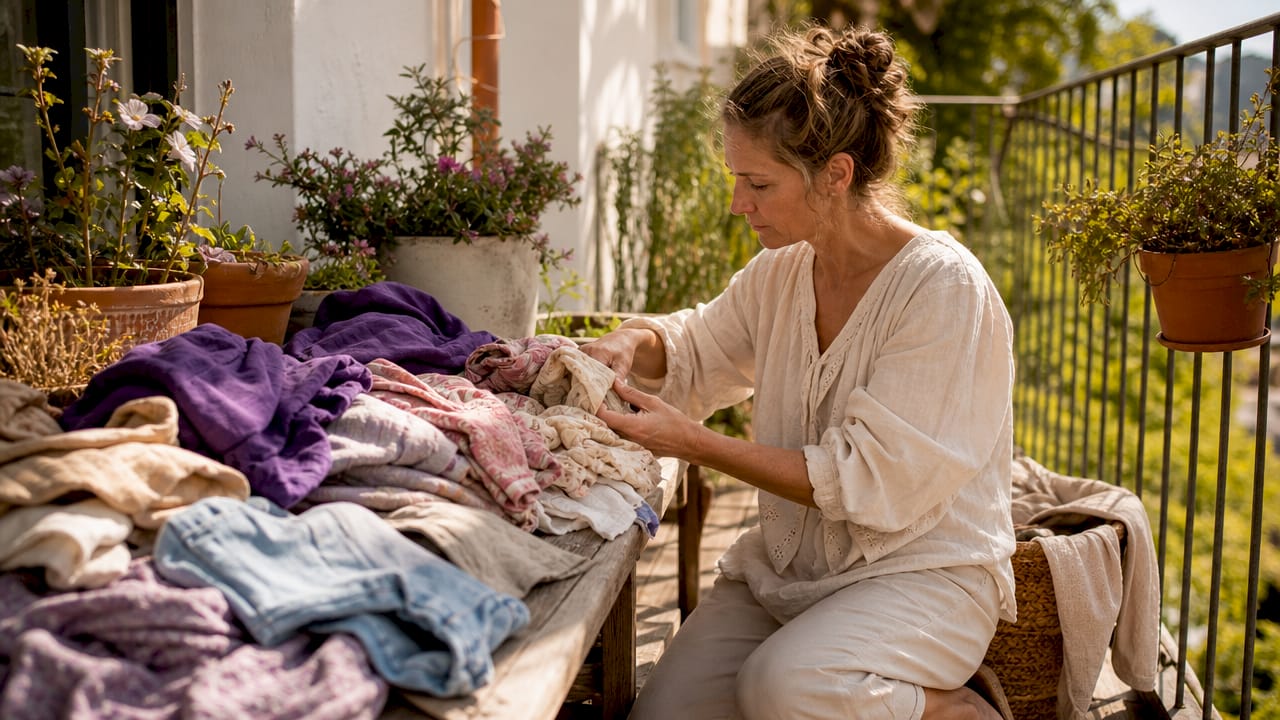
Small, intentional buying directly interrupts this cycle. When you buy fewer items, you send a weaker demand signal to overproducing brands. Fewer orders mean fewer garments manufactured, fewer synthetic fibers spun, and less dye waste released into waterways. The impact of small purchases in fashion is not symbolic. It is structural.
Here is what conscious buying actually reduces:
- Textile landfill volume. 85% of discarded clothing ends in landfills. Buying less means less ends up there.
- Overproduction waste. Brands manufacture based on projected demand. Lower consumer demand shrinks those projections.
- Carbon output. Fewer production runs mean fewer shipping cycles and less factory energy use.
- Water consumption. A single cotton T-shirt requires roughly 2,700 liters of water to produce. Buying one quality shirt instead of five cheap ones saves that resource four times over.
Pro Tip: Before buying anything new, ask yourself how many times you will realistically wear it. If the answer is fewer than 30, put it back.
What is cost-per-wear and how does it guide smarter buying?
Cost-per-wear is the price of a garment divided by the number of times you wear it. It is the most practical economic tool for evaluating whether a piece of clothing is actually worth buying.
The math is straightforward. A $50 high-quality T-shirt worn 300 times costs $0.17 per wear. A $12 fast fashion version replaced five times costs $0.30 per wear. The cheap shirt costs nearly twice as much per use. That gap is what wardrobe essentials save you over time.
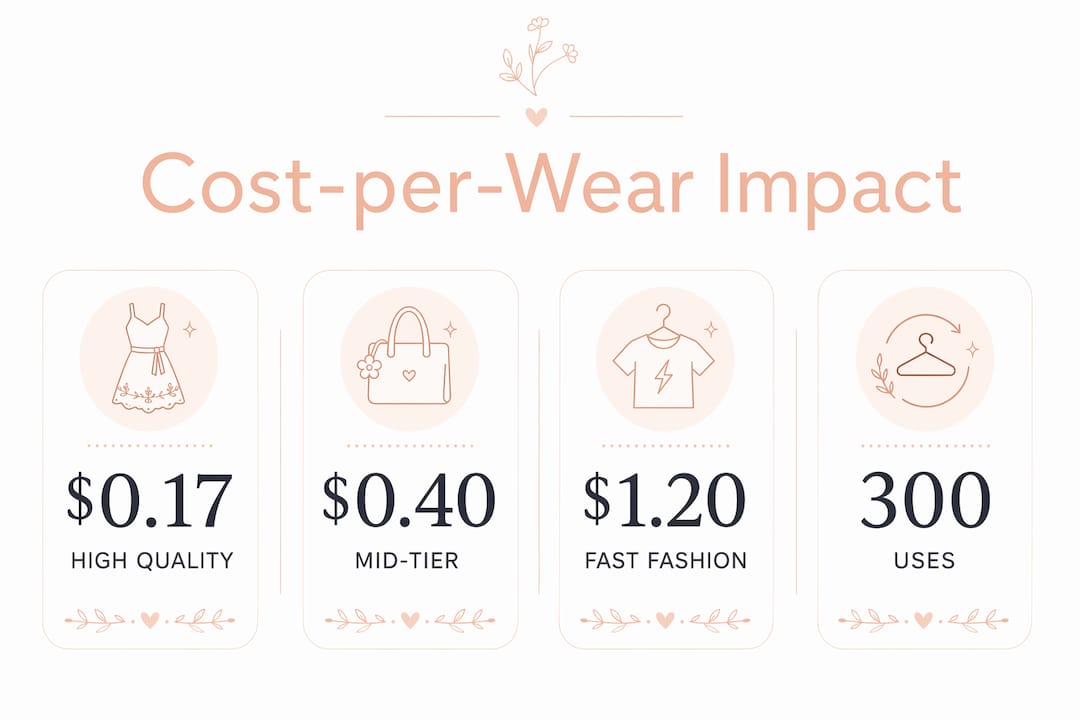
Research shows that showing shoppers cost-per-wear at the point of sale significantly shifts their preferences toward higher-quality sustainable options. Shoppers trusted cost-per-wear data more than general durability claims. That finding matters because it proves the barrier to sustainable buying is often information, not willingness.
| Item | Purchase price | Times worn | Cost per wear |
|---|---|---|---|
| Quality cotton T-shirt | $50 | 300 | $0.17 |
| Fast fashion T-shirt (x5) | $60 total | 300 combined | $0.30 |
| Premium denim jeans | $120 | 200 | $0.60 |
| Trend-driven fast fashion jeans | $30 (replaced 3x) | 90 combined | $1.00 |
The table makes the case clearly. Premium pieces cost less per use and generate less waste per dollar spent.
Pro Tip: Use cost-per-wear as your filter at checkout. If you cannot see yourself wearing a piece at least 30 times, the real price is higher than the tag says.
Decision fatigue also plays a role here. Choosing one high-quality piece over multiple low-quality buys reduces the mental load of managing a cluttered wardrobe. A smaller, better wardrobe is easier to use, which means you actually wear what you own.
How do buying habits push brands toward sustainable supply chains?
Consumer demand is the most powerful lever in the fashion supply chain. When shoppers consistently choose brands with transparent sourcing, ethical production, and durable materials, other brands follow or lose market share.
The secondhand market is the clearest proof of this shift. The global secondhand clothing market hit $227 billion in 2025 and is projected to reach $350 billion by 2030. That growth rate signals a permanent change in how shoppers value clothing, not a passing trend. Brands that ignore resale culture risk losing relevance with the 18–45 demographic entirely.
Wage transparency is another area where consumer pressure produces results. Only about 2% of clothing makers globally are paid a verified living wage. That statistic reflects how rare ethical labor practices still are. But brands that publicly commit to living wages and supply chain audits attract shoppers who prioritize ethics, and that audience is growing.
Buying small also supports local fashion in a direct way. When you choose independent designers or small-batch labels over mass-market chains, you fund shorter supply chains with lower transport emissions and more traceable labor conditions. The impact of small purchases in fashion compounds when those purchases go to producers who operate with accountability.
Key ways consumer buying habits now pressure brands:
- Transparency demands. Shoppers increasingly research brand ethics before buying, pushing companies to publish supply chain audits.
- Recommerce growth. Platforms like ThredUp and Poshmark have normalized resale, forcing brands to design for durability.
- Material accountability. Demand for organic cotton, recycled polyester, and Tencel has moved these from niche to mainstream.
- Living wage advocacy. Certifications like Fair Trade and B Corp have become purchase signals for ethical shoppers.
What does behavioral economics say about fashion buying patterns?
The paradox of cheap clothes is one of the most counterintuitive findings in consumer economics. Lower prices lead to more purchases but lower satisfaction per item. Shoppers buy more but feel less fulfilled by what they own.
This happens because of hedonic adaptation. Each new purchase delivers a brief spike of excitement, then fades quickly. Fast fashion accelerates this cycle by design. New collections arrive constantly, keeping shoppers in a loop of buying, discarding, and buying again. The result is a wardrobe full of clothes and a persistent feeling of having nothing to wear.
“Economists observe that falling clothing prices trigger overconsumption cycles, increasing quantity bought but lowering satisfaction.” — The Paradox of Cheap Clothes
Mindful small buying breaks this loop. When you own fewer pieces that you genuinely love, each item carries more meaning. Wearing a well-made dress you have had for three years produces more satisfaction than rotating through ten cheap ones in a season. The psychology of ownership shifts from novelty to connection.
Fast fashion items are replaced roughly every seven weeks, and 72% of retailers now charge return fees up to $7.99. Those fees quietly erase the savings that made cheap fashion feel like a deal. Shoppers who understand this math naturally gravitate toward buying less and buying better.
How can you apply small purchasing changes for a sustainable wardrobe in 2026?
Sustainable fashion choices do not require a complete wardrobe overhaul. They require a shift in how you evaluate each purchase before you make it. The biggest sustainable shopping impact, according to National Geographic’s fashion experts, comes from shopping your existing wardrobe first before buying anything new.
Here is a practical framework for applying ethical fashion buying tips starting now:
- Apply the 30-wear rule. Before buying, commit to wearing the item at least 30 times. If you cannot picture 30 occasions, skip it.
- Shop secondhand before buying new. Platforms like ThredUp, Depop, and Poshmark offer quality pieces at lower prices. Consumers who resell clothing reduce net costs by 15–25%.
- Set a monthly clothing budget cap. A fixed budget forces prioritization. You will naturally choose quality over quantity when spending is limited.
- Avoid impulse buys by waiting 48 hours. Most impulse purchases feel unnecessary after two days. This one habit alone cuts wardrobe waste significantly.
- Buy versatile pieces that work across multiple outfits. A single item that pairs with five others in your wardrobe delivers more value than a statement piece worn once.
- Check resale value before buying. High-quality sustainable brands retain 35–55% of their original retail value after two years. Fast fashion retains only 8–15%. Buying quality is buying a recoverable asset.
Pro Tip: Learn how to update your wardrobe without overspending by building around three to five core pieces each season rather than buying trend-driven items.
The goal is not a perfect wardrobe. The goal is a wardrobe where every piece earns its place. That standard, applied consistently, is how individual buying habits in fashion shift the entire industry.
Key Takeaways
Conscious consumption, not volume, is the single most powerful tool shoppers have to reshape the fashion industry toward sustainability and smarter production.
| Point | Details |
|---|---|
| Waste starts with demand | Buying fewer items directly reduces overproduction and the 85% of clothing that ends in landfills. |
| Cost-per-wear reveals true value | A $50 quality shirt at $0.17 per wear costs less than a $12 fast fashion shirt replaced five times. |
| Consumer demand reshapes supply chains | Shoppers who buy ethically push brands toward living wages, transparent sourcing, and durable materials. |
| Cheap clothes create dissatisfaction | The paradox of cheap clothes shows lower prices increase buying volume but decrease satisfaction per item. |
| Secondhand buying builds real savings | Reselling clothing reduces net wardrobe costs by 15–25% and supports the circular fashion economy. |
Why I think the “buy less” message misses the real point
Most sustainable fashion advice stops at “buy less.” That framing is incomplete. The real shift is not about buying less for its own sake. It is about buying with intention so that every item you own actually gets used.
I have seen shoppers adopt a minimalist wardrobe and still feel dissatisfied because they bought fewer things they did not love. The number of items is not the variable that matters. The quality of the decision behind each purchase is what changes outcomes.
The fashion industry responds to patterns, not individual choices. But patterns are made of individual choices. When enough shoppers consistently choose quality, transparency, and durability, brands restructure their entire production models to match. That is not idealism. That is how markets work.
The hardest part is stepping off the trend cycle. Trends are designed to make last season’s purchase feel obsolete. Resisting that pressure is not about being unfashionable. It is about recognizing that the trend cycle exists to sell you things, not to serve your style. The shoppers who figure that out early build wardrobes they actually love.
Learning to shop fashion sustainably is a skill, not a sacrifice. Once you see clothing through the lens of cost-per-wear and resale value, fast fashion stops looking like a deal. It starts looking like what it is: a subscription to dissatisfaction.
— Patrick
Wildflowerwardrobe’s approach to mindful fashion buying
Wildflowerwardrobe was built around the idea that fashion should feel intentional, not disposable. The collections focus on versatile, well-made pieces that work across seasons and occasions, which is exactly what a cost-per-wear mindset demands.
The women’s casual wear collection at Wildflowerwardrobe is a strong starting point for building a wardrobe around quality staples. Each piece is selected for wearability and staying power, not just trend appeal. For shoppers who want to add finishing touches without overbuying, the jewelry collection offers accessories that complement multiple outfits rather than anchoring just one look. Wildflowerwardrobe’s curation reflects the same principle this article is built on: fewer, better choices produce more lasting satisfaction.
FAQ
What does “buying small” mean in fashion?
Buying small in fashion means purchasing fewer, more intentional items rather than buying in high volume. The goal is to own pieces you wear repeatedly, which reduces waste and lowers your real cost per use.
How does one person’s buying habit affect the fashion industry?
Individual buying habits aggregate into demand signals that brands use to plan production. When enough shoppers consistently choose quality and sustainability, brands shift sourcing, production volume, and material choices to match.
Is secondhand shopping actually more sustainable?
Yes. The global secondhand market reached $227 billion in 2025 and is growing at 12% annually, driven by shoppers who want quality at lower prices with less environmental impact. Buying secondhand extends a garment’s life and reduces demand for new production.
What is the 30-wear rule?
The 30-wear rule is a buying filter: only purchase an item if you can commit to wearing it at least 30 times. It was popularized by sustainable fashion advocates and directly applies cost-per-wear thinking at the point of decision.
Does fast fashion actually cost more in the long run?
Yes. A $12 fast fashion T-shirt replaced five times costs $0.30 per wear. A $50 quality shirt worn 300 times costs $0.17 per wear. Add return fees of up to $7.99 charged by 72% of retailers, and the hidden costs of fast fashion consistently outpace its sticker price.
0 comments