

Boutique shopping is defined as a curated retail experience where every piece is handpicked for quality, fit, and style coherence rather than mass-produced volume. The handpicked clothing benefits boutique shopping delivers go far beyond aesthetics. A $200 boutique dress worn 50 times costs $4 per wear, compared to $4 per wear versus $10 per wear for a $50 fast-fashion dress worn only 5 times. That math alone reframes what “affordable” actually means. Wildflowerwardrobe is built on exactly this principle: every piece in its collection is chosen to deliver lasting style, not just a single season of wear.
1. How handpicked clothing benefits boutique shopping quality
Boutiques maintain higher quality standards by focusing on fabric resilience, sturdy stitching, and clean finishing. This is the opposite of high-volume chain retail, where quality varies widely across a single collection. When a boutique buyer selects a piece, she is already filtering out the garments that would not hold up after repeated wear.
The quality indicators worth checking when you shop boutique include:
- Fabric hand: Does the material feel substantial and smooth, or thin and scratchy?
- Stitching density: Tighter stitches at seams mean longer garment life.
- Button security: Buttons should be sewn through a shank, not just flat against the fabric.
- Finishing: Clean hems, no loose threads, and lined interiors signal careful construction.
- Fabric content labels: Natural fibers like cotton, wool, and silk age better than synthetic blends.
Boutique retailers select items based on these exact criteria, which is why their inventory consistently outperforms mass-market options in durability. You are not gambling on quality when you buy boutique. You are buying a piece that has already passed a human filter.
Pro Tip: Run your thumb across a seam allowance before buying. A wide, clean seam allowance means the garment can be altered without losing structural integrity.
2. Alteration services extend garment life significantly
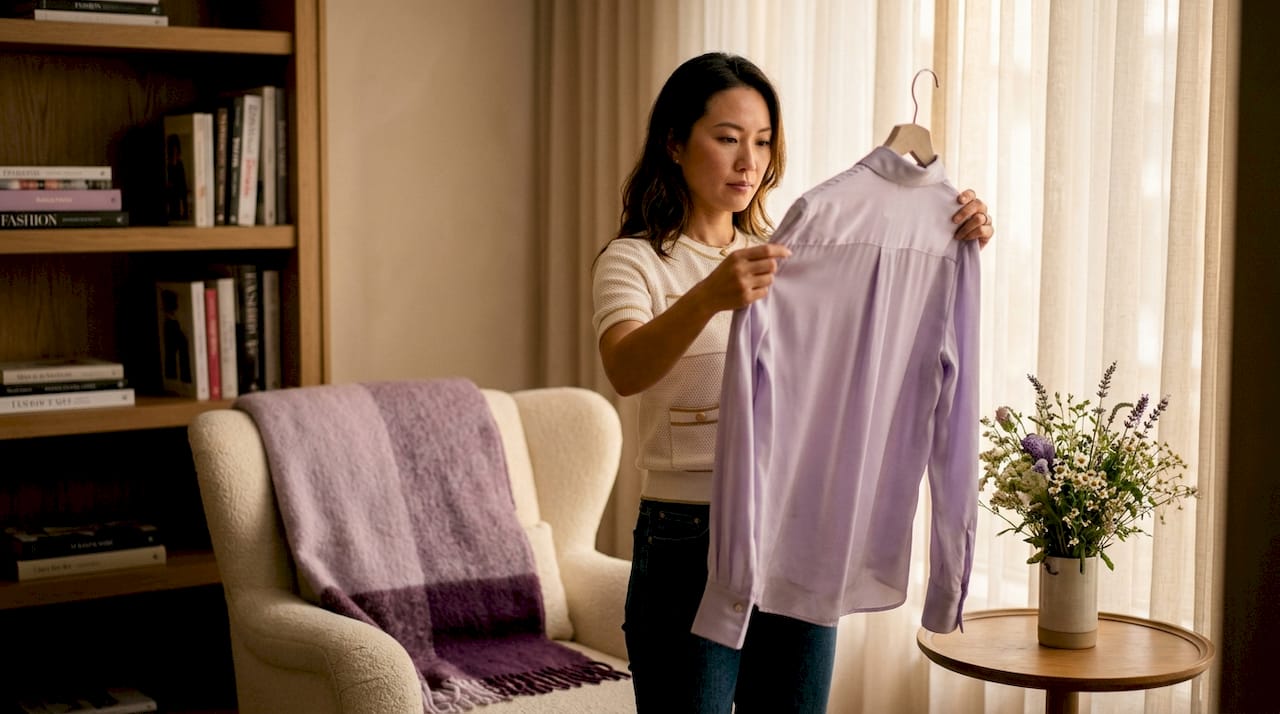
Alteration support is one of the most underrated advantages of boutique shopping. Small adjustments like sleeve shortening or waist suppression can make a boutique piece fit better than an unaltered designer item costing three times as much. A garment that fits your body precisely gets worn more often and lasts longer in your rotation.
Boutiques that offer tailoring services turn a good purchase into a great one. When a dress fits your shoulders, waist, and hem perfectly, you stop reaching for the “easier” fast-fashion option. Fit is the single biggest factor in how often you actually wear something. Learning about tailoring’s role in fit is one of the most practical style investments you can make.
3. Unique style advantages from curated, handpicked collections
Curated boutique inventory promotes unique style by limiting mass production and focusing on exclusive pieces aligned with a specific aesthetic. When a boutique carries only 10 units of a dress, you are far less likely to show up to an event wearing the same outfit as someone else. That exclusivity is not a marketing gimmick. It is a direct result of how boutiques buy.
The style benefits of boutique shopping include:
- Originality: Limited quantities mean fewer women own the same piece.
- Cohesion: Curated collections are built around complementary silhouettes and color palettes.
- Artisanal details: Hand-embroidery, beading, and unique hardware appear far more often in boutique inventory than in mass retail.
- Intentional aesthetics: Every piece in a boutique reflects a point of view, making it easier to build a wardrobe with a consistent identity.
Boutique shopping encourages building intentional wardrobes over chasing fast fashion trends. The result is less wardrobe clutter and better outfit coordination. A closet full of cohesive, versatile pieces is far more useful than a closet stuffed with trend-driven impulse buys.
4. Reduction of decision fatigue through curated selections
Curated selections reduce decision fatigue by replacing overwhelming mass-market choices with a focused, hand-selected inventory. Decision fatigue is a real psychological phenomenon. The more choices you face, the worse your decisions become over time. Boutique shopping sidesteps this entirely by doing the filtering work before you arrive.
A boutique with 80 well-chosen pieces is more useful than a mass retailer with 8,000 mediocre ones. Each item in a boutique inventory is there because a knowledgeable buyer believed it was worth your attention. That judgment saves you time, mental energy, and the regret that comes from impulse purchases. If you want to reduce wardrobe clutter further, a closet audit is a natural next step after a boutique shopping session.
Pro Tip: Before your next boutique visit, write down three wardrobe gaps you want to fill. A focused list makes it easier to evaluate each piece against a real need rather than a momentary impulse.
5. Environmental benefits of choosing boutique fashion
Investing in boutique pieces supports sustainability by reducing fast fashion consumption and lowering environmental impact. Long-lasting garments reduce landfill waste and the greenhouse gases produced by textile disposal. Every boutique piece you buy instead of a fast-fashion equivalent is one fewer garment entering the waste stream after two wears.
The environmental math is straightforward. Fast fashion relies on cheap materials and rapid trend cycles to drive repeat purchases. Boutique fashion relies on quality and longevity to earn loyalty. Those are fundamentally different business models with fundamentally different environmental footprints. Reading about shopping fashion sustainably gives you a practical framework for making every purchase count.
Supporting boutique retailers also means supporting small businesses and ethical sourcing practices. Buying small changes the fashion industry in ways that large-scale retail simply cannot replicate.
6. Economic value: the cost-per-wear argument
The cost-per-wear model is the clearest way to evaluate clothing value. A $200 boutique dress worn 50 times costs $4 per wear, while a $50 fast-fashion dress worn only 5 times costs $10 per wear. The boutique piece costs four times more upfront but delivers more than twice the value per use.
| Item | Purchase Price | Wears | Cost Per Wear |
|---|---|---|---|
| Boutique dress | $200 | 50 | $4.00 |
| Fast-fashion dress | $50 | 5 | $10.00 |
| Boutique blazer | $180 | 60 | $3.00 |
| Fast-fashion top | $25 | 3 | $8.33 |
This table makes the economic case plainly. The higher upfront cost of boutique clothing is not a luxury premium. It is a prepayment for future wears. Knowing how to invest in wardrobe staples that last is the skill that separates a thoughtful wardrobe from an expensive one.
7. Boutique shopping as a long-term style relationship
Boutique shopping is a long-term partnership that evolves your personal style through repeated visits and accumulated expertise. Successful shoppers refine their style over multiple visits rather than treating each purchase as a one-time transaction. That ongoing relationship is something mass retail cannot offer.
A boutique buyer who knows your preferences will set aside pieces she thinks you will love before they sell out. That kind of personalized attention is the original version of the “recommended for you” algorithm, except it is powered by human judgment and genuine taste. Over time, your wardrobe becomes a reflection of a curated point of view rather than a collection of random purchases.
Key Takeaways
Boutique shopping delivers superior value, style, and sustainability because every piece is handpicked for quality, fit, and longevity rather than volume.
| Point | Details |
|---|---|
| Cost-per-wear beats sticker price | A $200 boutique piece worn 50 times costs less per wear than a $50 fast-fashion item worn 5 times. |
| Quality is pre-filtered | Boutique buyers screen for fabric resilience, stitching density, and finishing before items reach the floor. |
| Curation reduces decision fatigue | A focused inventory of 80 well-chosen pieces outperforms 8,000 mediocre mass-market options. |
| Alteration services extend garment life | Small adjustments like waist suppression or hem shortening increase how often and how long you wear a piece. |
| Boutique shopping supports sustainability | Long-lasting garments reduce landfill waste and lower the environmental cost of your wardrobe. |
Why boutique shopping changed how I think about getting dressed
I used to treat clothing as disposable. I would buy a $30 top, wear it four times, and watch it pill and fade into unwearability. The closet was full, but nothing felt right. The shift happened when I started paying attention to how boutique pieces actually performed over time.
The garment that changed my thinking was a structured blazer I bought from a small boutique. It cost more than I was comfortable spending at the time. Three years later, it is still in my weekly rotation. The lining is intact, the buttons are secure, and the fit is exactly what it was on day one because I had the sleeves shortened when I bought it. No fast-fashion blazer I have ever owned lasted more than one season.
What I have learned is that boutique shopping is less about the price tag and more about the judgment behind the selection. When a buyer has personally handled every piece in the store, you benefit from expertise you did not have to develop yourself. That is the real value. The clothing is the product. The curation is the service. And over time, that service shapes your style in ways that no algorithm or mass-market trend cycle can replicate.
— Patrick
Wildflowerwardrobe: handpicked style worth wearing
Wildflowerwardrobe applies the same curation principles this article describes to every piece in its collection. Each item is selected for quality, versatility, and personal expression rather than trend volume.
The women’s casual wear collection at Wildflowerwardrobe is a strong starting point if you want to experience handpicked boutique quality without the guesswork of mass retail. From everyday essentials to statement pieces, every item reflects a deliberate choice. Wildflowerwardrobe also carries boutique-style jewelry that complements its apparel selections, making it easy to build cohesive outfits from a single curated source. If you are ready to shop with intention, Wildflowerwardrobe is built for exactly that.
FAQ
What is boutique shopping?
Boutique shopping is a curated retail experience where a knowledgeable buyer handpicks every item based on quality, fit, and aesthetic coherence rather than volume. The result is a smaller, more intentional inventory compared to mass-market retail.
Why does handpicked clothing cost more than fast fashion?
Boutique pieces use higher-quality fabrics and construction, which increases the upfront cost. The cost-per-wear value is typically better, however, because boutique garments last significantly longer than fast-fashion alternatives.
How does boutique shopping reduce decision fatigue?
Curated boutique inventory replaces thousands of mediocre options with a focused selection of high-quality pieces. Fewer, better choices make it easier to find items that integrate with your existing wardrobe.
Are boutique clothes more sustainable than fast fashion?
Yes. Long-lasting boutique garments reduce landfill waste and lower the environmental cost of your wardrobe. Buying fewer, better pieces is one of the most direct ways to reduce your fashion footprint.
What should I look for when evaluating boutique clothing quality?
Check fabric hand, stitching density at seams, button security, and finishing details like clean hems and lined interiors. Boutique retailers pre-screen for these criteria, but a quick personal check confirms the standard before you buy.
0 comments