

Layering in fashion is the deliberate combination of multiple clothing pieces to create versatile, stylish, and functional outfits that enhance both look and wearability. Understanding why layering works in fashion goes beyond adding warmth. It is a styling technique built on contrast in fabric weight, texture, and hemline length. The industry-acknowledged Rule of 3, which organizes outfits into base, mid, and outer layers, gives every look structure and intention. When you apply this framework correctly, you multiply your outfit options and dress confidently for any temperature or occasion.
Why layering works in fashion: the core principles
Layering works because it creates visual depth and functional flexibility at the same time. A single outfit becomes three or four when you swap or remove individual pieces. That is the core promise of wardrobe versatility through layering.
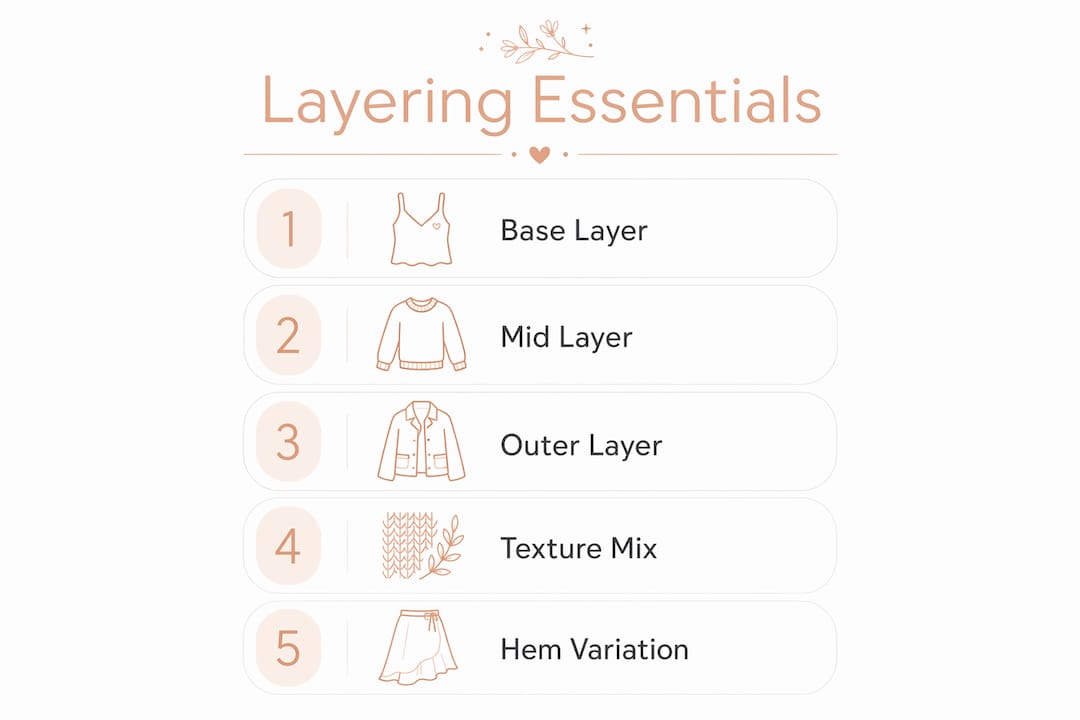
The Rule of 3 organizes every layered outfit into three roles: a base layer close to the skin, a mid layer for warmth or interest, and an outer layer for structure or weather protection. Each role has a job. The base layer regulates comfort, the mid layer adds texture or color, and the outer layer frames the silhouette. When all three work together, the result looks intentional rather than accidental.
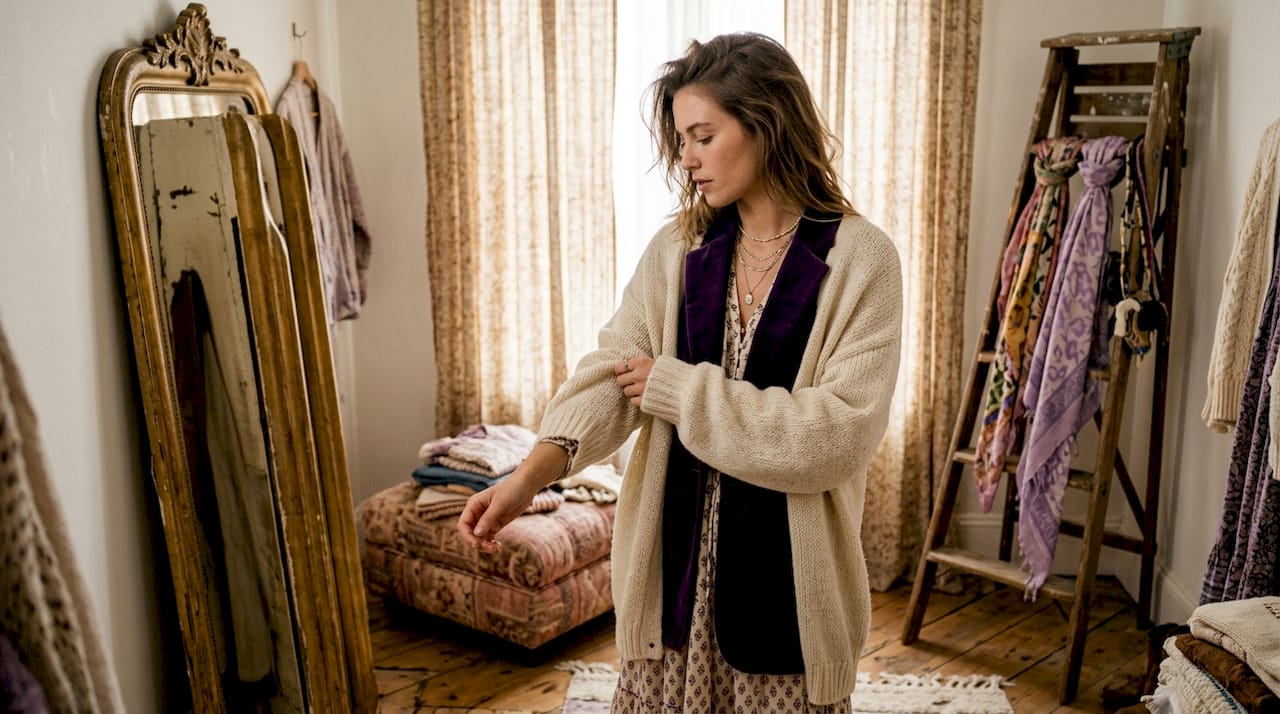
Layering also works because it guides the eye. Contrast in fabric, length, and color creates movement across an outfit. Without that contrast, multiple pieces just look piled on. The technique is less about quantity and more about intentional styling, where each piece stands on its own while contributing to the whole look.
What makes layering look polished, not bulky?
The single biggest factor in polished layering is fabric weight progression. The heavier-on-top rule keeps your lightest, most fitted piece as the base and adds progressively heavier, looser pieces on top. This prevents bunching under arms and across the torso. A fitted cotton tee under a chunky knit sweater under a relaxed blazer is the classic application.
Texture mixing is equally important. Mixing knits with denim or wool prevents layers from sliding against each other and adds visual interest. Smooth fabrics on smooth fabrics slip and shift all day. Pairing a silk blouse under a textured tweed jacket solves that problem while also looking intentional.
The hemline rule is the detail most people overlook. Varying hemlines by at least 2 inches between visible layers creates flattering contrast. When every layer ends at the same point, the outfit looks flat and chopped. A longline tee peeking below a cropped jacket is a simple example that works every time.
| Fabric combination | Result |
|---|---|
| Cotton tee + chunky knit | Comfortable base, textured mid layer |
| Silk blouse + tweed jacket | Smooth base, structured outer layer |
| Ribbed tank + linen shirt | Breathable, light layering for warm weather |
| Acrylic sweater + nylon shell | Traps heat, causes discomfort |
| Polyester base + polyester mid | Slides, lacks visual interest |
Pro Tip: Tuck your base layer at the front only. A half-tuck creates a point of definition without adding bulk, and it works on almost every body type.
How does layering increase outfit options?
Mastering layering doubles the outfit count from 30 capsule pieces by combining garments in functional and stylish ways. That math changes how you shop and how you pack. Instead of buying more clothes, you get more from what you already own.
A capsule wardrobe built around layering relies on pieces that function in multiple roles. A white fitted tee is a base layer in winter and a standalone top in summer. A denim jacket is a mid layer in fall and an outer layer in spring. Each piece earns its place by working in more than one context.
Here are four layering formulas organized by temperature and occasion:
- Cold weather (below 40°F): Fitted thermal base + chunky knit sweater + wool coat + scarf. Natural fibers like wool and cotton keep you warm without trapping moisture.
- Cool weather (40°F–60°F): Cotton tee + lightweight cardigan or blazer + trench coat. The Rule of 3 works perfectly in this range.
- Mild weather (60°F–70°F): Ribbed tank + open-front linen shirt or denim jacket. Two layers are enough. The outer piece adds structure without warmth.
- Warm weather (above 70°F): Fitted cami + sheer button-down or kimono. This protects against air conditioning and adds dimension without heat.
Pro Tip: Pack for a trip using only 10 pieces that layer together. You will create more outfits than a suitcase packed with 20 standalone items.
What are the most common layering mistakes?
The most common layering mistake is adding pieces without a defining element. The result is bulk, not polish. One point of definition, like a belt or a front tuck, corrects the majority of bulky layering mistakes by giving the eye a place to land.
Fabric choice is the second most frequent error. Synthetic fibers like acrylic and nylon trap heat and cause sweating when layered. Natural fibers like cotton, wool, and linen allow breathability and keep you comfortable across temperature changes.
Here are the most common layering mistakes and their fixes:
- Too many similar silhouettes: Mix fitted and relaxed pieces. A slim base under a boxy mid layer creates shape.
- Ignoring hemlines: Each visible layer should end at a different point. Aim for at least a 2-inch difference.
- Matching all textures: Pair smooth with textured. Silk under tweed, denim over cotton.
- No definition point: Add a belt, a half-tuck, or a structured outer layer to anchor the look.
- Skipping proportion checks: A voluminous top needs slim bottoms. Balance is the rule.
Pro Tip: Before leaving the house, remove one layer. If the outfit still works, you have found the right balance. If it falls apart, the removed piece was doing too much work.
How to layer for every season
Seasonal layering is less about adding more pieces and more about adjusting fabric weight and the number of visible layers. Adjusting layers and fabric weights while maintaining proportion rules keeps you comfortable and polished year-round.
Warm weather layering solves a specific problem: office air conditioning and outdoor heat require two different outfits. A sheer or lightweight open layer over a fitted cami handles both. Natural fibers breathe outdoors and provide coverage indoors. Linen, cotton gauze, and lightweight chambray are the right choices here.
Transitional season dressing in fall and spring rewards the Rule of 3 most. Temperatures shift 20 or more degrees between morning and afternoon. A base, a mid layer you can tie around your waist, and a light outer layer give you full flexibility without carrying a bag full of extras.
Winter layering requires insulation strategy. Wool and cashmere mid layers trap warmth efficiently. A fitted thermal base under a merino sweater under a structured coat is the formula. Accessories like scarves add a fourth layer of warmth without adding visual bulk, because they frame the face rather than the torso.
| Season | Layers | Fabric choices | Key technique |
|---|---|---|---|
| Summer | 2 | Linen, cotton gauze, sheer | Lightweight open layer over fitted cami |
| Fall/Spring | 3 | Cotton, denim, light wool | Removable mid layer for temperature shifts |
| Winter | 3–4 | Merino wool, cashmere, cotton | Insulating mid layer, structured outer coat |
| Indoor/AC | 2 | Linen, chambray, cotton | Sheer or open layer for coverage |
Modern layering in 2026 favors high-contrast proportions over oversized volume. Slim knits paired with relaxed tailored pieces create character and refinement. The goal is depth, not bulk.
Key Takeaways
Layering works in fashion because it combines fabric weight progression, texture contrast, and hemline variation to create polished, versatile outfits from fewer pieces.
| Point | Details |
|---|---|
| Rule of 3 framework | Organize every outfit into base, mid, and outer layers for structure and intention. |
| Fabric weight progression | Start with the lightest, most fitted piece and add heavier layers on top to prevent bulk. |
| Hemline variation | Each visible layer should end at a different point, with at least a 2-inch difference. |
| One definition point | A belt or half-tuck anchors a layered look and prevents the “piled on” effect. |
| Capsule wardrobe multiplier | Layering doubles outfit combinations from a limited set of pieces, maximizing wardrobe value. |
Layering is the one styling skill worth mastering
I have watched people spend hundreds of dollars on new clothes when the real problem was that they did not know how to combine what they already owned. Layering fixed that for me before it fixed anything else. Once I understood the Rule of 3 and stopped treating it as a cold-weather workaround, my wardrobe felt twice as large without a single new purchase.
The shift I have seen in 2026 styling is real. High-contrast proportions have replaced the oversized-everything approach that dominated for several years. A slim ribbed turtleneck under a wide-leg trouser and a structured blazer looks more considered than three oversized pieces stacked together. The eye needs contrast to read an outfit as intentional.
The mistake I see most often is skipping the definition point. People layer beautifully from the neck down and then wonder why the look feels shapeless. One belt, one tuck, one structured outer piece solves it every time. Layering is not about hiding your shape. It is about framing it with intention.
Treat layering as a skill, not a seasonal trick. Practice it in warm weather with two lightweight pieces. Build up to three layers in fall. By winter, the Rule of 3 will feel automatic, and you will stop buying clothes you do not need.
— Patrick
Build your layered wardrobe with Wildflowerwardrobe
The right pieces make layering effortless. Wildflowerwardrobe carries a curated selection of women’s casual wear designed to work as base, mid, and outer layers across every season. Each piece is chosen for versatility, so you can mix and match without second-guessing.

Accessories complete the picture. A well-placed necklace or a structured bag adds the definition point that pulls a layered look together. Browse the full jewelry collection at Wildflowerwardrobe for pieces that frame your layers without competing with them. Whether you are building a capsule wardrobe from scratch or refining what you already own, Wildflowerwardrobe has the pieces to make every layer count.
FAQ
What is the Rule of 3 in fashion layering?
The Rule of 3 organizes a layered outfit into a base layer, a mid layer, and an outer layer. This structure balances comfort, insulation, and visual proportion in temperatures between 40°F and 60°F.
How do I layer clothes without looking bulky?
Follow the heavier-on-top progression, mix contrasting textures, and add one point of definition like a belt or a front tuck. These three steps correct the majority of bulky layering mistakes.
Does layering really increase outfit options?
Layering doubles the number of outfits from a capsule wardrobe by allowing each piece to function in multiple roles across different combinations. A 30-piece wardrobe becomes significantly more versatile with intentional layering.
What fabrics work best for layering?
Natural fibers like cotton, wool, linen, and cashmere work best because they breathe, hold their shape, and layer without trapping heat. Synthetic fibers like acrylic and nylon trap moisture and cause discomfort when layered.
Is layering only for cold weather?
Layering is a year-round styling technique, not just a cold-weather strategy. In 2026, fashion stylists treat layering as a tool for adding depth and dimension to any outfit, regardless of temperature.
Recommended
- Transitional Season Outfit Ideas Women Love in 2026 – Wildflower Wardrobe
- Classic Clothing Pieces 2026 Update: Your Style Guide – Wildflower Wardrobe
- Fashion Forward Outfit Combinations for Women in 2026 – Wildflower Wardrobe
- Transition Outfits Season to Season: Your Style Guide – Wildflower Wardrobe
0 comments