

Transitional dressing is the practice of building outfits that stay stylish and comfortable as temperatures shift between seasons. Mastering transition outfits season to season means you never have to overhaul your entire wardrobe every few months. The core technique is outfit layering, which lets you adapt a single look from a chilly morning to a warm afternoon. With the right versatile pieces and a clear system, you can dress well through every weather swing without spending a fortune on new clothes.
What are the best layering techniques for seasonal transitions?
The most effective approach to transitional dressing is the three-tier layering system: a breathable base layer, a mid-layer for warmth, and a lightweight outer layer for protection. Each tier serves a specific function, and the magic happens when you can remove or add pieces as the day changes. This system works because transitional months bring real temperature swings, sometimes 20 or more degrees between morning and afternoon.
Choosing the right fabrics for each layer
Fabric choice defines how comfortable your layers actually feel. Natural fibers like cotton, modal, and merino wool regulate body temperature far better than heavy synthetics. Cotton and modal breathe well in warmer moments, while merino wool insulates without overheating you indoors. Synthetic blends trap heat and moisture, which makes them uncomfortable the moment you step inside a heated building.
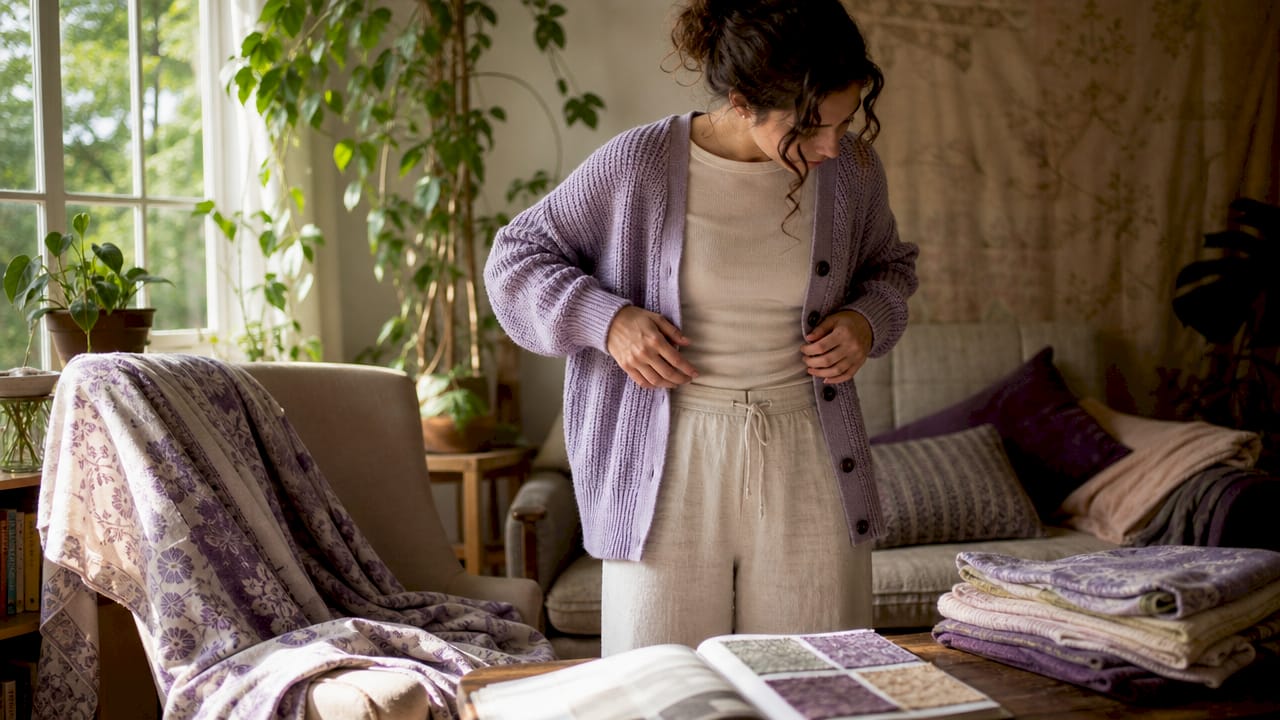
Your base layer should be a fitted cotton or modal top, a classic white tee, or a lightweight ribbed tank. The mid-layer is where personality enters: a chunky cardigan, a fine-knit sweater, or a denim shirt all work well. For the outer layer, think a trench coat, a lightweight blazer, or an unlined jacket that folds easily into a bag.
How to build outfits using the subtraction method
Outfit subtraction means starting your day fully layered and removing pieces as the temperature rises. This approach gives you all-day comfort without the guesswork of trying to predict exactly how warm it will get. It is far more reliable than building a minimal outfit and hoping it works in both cold and warm conditions.
Pro Tip: Pack your removed layers into a tote or structured bag rather than carrying them. A bag that holds a folded cardigan keeps your look polished even when you are down to your base layer.
How to select versatile pieces that work across seasons
Focusing on 3 to 4 anchor pieces like trench coats, linen sets, and neutral basics lets you transition your wardrobe without buying a full new seasonal collection. These pieces do the heavy lifting across multiple outfits and multiple months. The goal is maximum outfit combinations from minimum items.
The most reliable anchor pieces for dressing for changing seasons include:
- Trench coat: Works over a summer dress in early fall and over a sweater in late winter.
- Neutral cardigan: Layers over a tank in september and replaces a jacket in april.
- White tee and quality denim: Year-round foundation pieces that anchor almost any seasonal look.
- Lightweight blazer: Adds structure to casual outfits and works as a mid-layer under a heavier coat.
- Midi or wrap dress: Pairs with boots and a cardigan in fall, and with sandals and a sun hat in summer.
Accessories carry more seasonal weight than most women realize. A chunky knit scarf signals fall even when your outfit is still summer-light. A structured leather bag grounds a breezy spring look. Swapping accessories is often the fastest way to shift a look between seasons without changing a single clothing item.
Proportional contrast styling is another technique worth knowing. Pairing shorts with long sleeves or a miniskirt with a structured jacket balances warm and cool elements in one outfit. The look reads as intentional rather than confused, and it handles unpredictable weather without sacrificing style.
Pro Tip: Keep a “transition basket” near your closet with your denim jacket, a lightweight blazer, a neutral scarf, and a versatile cardigan. When weather shifts suddenly, you grab from the basket instead of digging through your whole wardrobe.
Seasonal wardrobe strategies: spring through winter
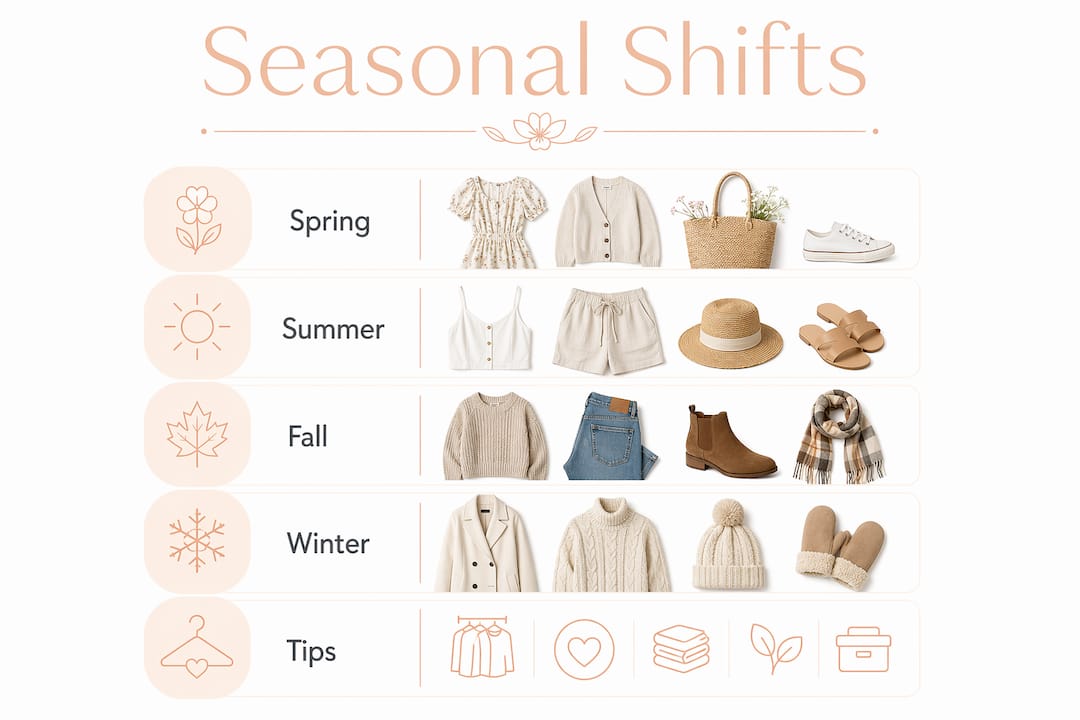
Every seasonal shift requires a slightly different approach. The table below maps the key wardrobe adaptations for each transition.
| Transition | Key swap | Color strategy | Anchor piece |
|---|---|---|---|
| Spring to summer | Drop the mid-layer, keep the outer layer light | Add pastels and whites over neutral bases | Linen blazer or trench coat |
| Summer to fall | Add a cardigan or denim jacket over summer dresses | Introduce earth tones and deeper neutrals | Cardigan over a slip dress |
| Fall to winter | Replace lightweight outer layers with insulated coats | Combine dark tones with warm camel or burgundy | Wool coat over layered knits |
| Winter to spring | Remove heavy coats, keep knit mid-layers | Reintroduce soft pastels and lighter neutrals | Trench coat over a sweater |
The summer-to-fall transition is the one most women find hardest. A summer slip dress does not disappear from your wardrobe in september. Layering a cardigan over a summer dress and adding ankle boots extends that dress by two full months. The dress stays; the context changes.
Color coordination matters more than most people expect. Combining light and dark tones, using a neutral base with seasonal accents, and choosing earth tones in fall create visual continuity across your wardrobe. A wardrobe that shifts color gradually feels cohesive. One that jumps from neon summer brights to heavy winter darks overnight feels disjointed.
For the spring-to-summer shift, the move is subtraction. You drop the trench coat, swap the ankle boots for mules, and let the base layer carry the look. A seasonal clothing checklist helps you track which pieces are ready to rotate in and which need to stay accessible a little longer.
Common mistakes that break a transitional wardrobe
The biggest mistake is storing bridge pieces too early. Putting away cardigans, trench coats, and lightweight blazers the moment the calendar changes leaves you underdressed on cold days and overdressed when you reach for the wrong coat. Bridge pieces should stay accessible until the weather is genuinely stable.
Other common pitfalls include:
- Relying on heavy synthetic fabrics. Polyester and acrylic trap heat indoors and feel clammy during temperature swings. Natural fibers handle the shift far better.
- Buying new items before auditing what you own. Wardrobe transitions work best when you re-contextualize existing pieces rather than replacing them. A new purchase should fill a real gap, not duplicate something already in your closet.
- Ignoring silhouette balance. Wearing all loose layers or all fitted pieces at once flattens a look. Mix a fitted base with a relaxed mid-layer for proportion.
- Skipping the audit step. Before any seasonal shift, pull out your wardrobe essentials and check what still fits, what needs replacing, and what gaps actually exist.
Adaptability in bridge pieces defines successful transitional dressing more than layering alone. A piece chosen deliberately for its styling range does more work than three pieces chosen for a single season.
Pro Tip: Before buying anything new for a seasonal shift, style five outfits from what you already own. If you genuinely cannot fill a gap, then buy. This single habit cuts seasonal spending significantly.
Key takeaways
Transitional dressing works best when you build around 3 to 4 versatile anchor pieces, use the three-tier layering system, and re-style existing clothing rather than replacing it each season.
| Point | Details |
|---|---|
| Use the three-tier system | Layer a breathable base, a warm mid-layer, and a light outer layer for all-day adaptability. |
| Choose natural fabrics | Cotton, modal, and merino wool regulate temperature better than synthetic blends during seasonal shifts. |
| Anchor pieces do the work | A trench coat, neutral cardigan, and quality denim cover most seasonal transitions without new purchases. |
| Subtraction beats addition | Start fully layered and remove pieces as temperatures rise for reliable all-day comfort. |
| Re-style before you rebuy | Audit your existing wardrobe and fill real gaps only, rather than overhauling each season. |
What I have learned from years of seasonal dressing
The advice I wish I had gotten earlier is this: your wardrobe does not need a seasonal reset. It needs a seasonal shift. Those are very different things.
For years I treated each season as a fresh start, packing away summer clothes the moment september arrived and pulling out a completely different wardrobe. The result was frustration, wasted money, and a closet full of pieces I wore for only three months a year. The shift happened when I started treating my wardrobe as one continuous system rather than four separate ones.
The pieces I reach for most during transitions are not the trendy ones. They are the boring anchors: a well-cut trench coat, a fine-knit merino cardigan in camel, and a pair of straight-leg jeans that work with everything. These three items have carried me through more seasonal shifts than any trend piece I have ever bought.
What I find most underrated is the value of versatile pieces that work across silhouettes and temperatures. A dress that only works in summer is a liability. A dress that works with a cardigan in september and with a blazer in october is an asset. That distinction changes how you shop and how you dress.
The sustainable angle matters too. Building a transitional wardrobe is not about buying less for its own sake. It is about buying better and using what you own more creatively. That approach saves money, reduces waste, and produces better outfits.
— Patrick
Wildflowerwardrobe’s picks for your transitional wardrobe
Building a transitional wardrobe is easier when your pieces are chosen with versatility in mind from the start. Wildflowerwardrobe carries a curated selection of women’s casual wear designed for exactly this kind of layered, season-spanning dressing.

From lightweight layering tops to structured outerwear-ready dresses, the collection covers the anchor pieces that make seasonal transitions work. Wildflowerwardrobe also offers a full range of jewelry and accessories to shift the tone of any outfit from summer-light to fall-ready in seconds. Browse the full collection at Wildflowerwardrobe and find the pieces that will carry your wardrobe through every season.
FAQ
What are the best fabrics for transitional outfits?
Cotton, modal, and merino wool are the top choices for transitional dressing. These natural fibers regulate body temperature, breathe well in warmth, and insulate without overheating you indoors.
How many new pieces do I need for a seasonal wardrobe transition?
You need 3 to 4 anchor pieces at most. A trench coat, a neutral cardigan, and quality neutral basics cover the majority of seasonal transitions without a full wardrobe overhaul.
What is the subtraction method in outfit layering?
The subtraction method means starting your day fully layered and removing pieces as temperatures rise. This approach delivers better all-day comfort than building a minimal outfit designed to work in all conditions at once.
How do I style a summer dress for fall?
Layer a cardigan or denim jacket over the dress and swap sandals for ankle boots. This combination extends a summer dress into october without buying anything new.
When should I put away my transitional pieces?
Keep bridge pieces like cardigans, trench coats, and lightweight blazers accessible until the weather is consistently stable. Storing them too early leaves you underprepared for the temperature swings that define transitional months.
Recommended
- Transitional Season Outfit Ideas Women Love in 2026 – Wildflower Wardrobe
- Seasonal Clothing Checklist for Women: Season-by-Season Guide – Wildflower Wardrobe
- Why your seasonal wardrobe refresh matters more than you think – Wildflower Wardrobe
- How to Create Outfits for Every Occasion With Ease – Wildflower Wardrobe
0 comments