

Office casual attire is defined as clothing that reads polished and professional without the formality of a suit or structured dress. Getting this balance right is something most professional women think about every single morning. Business casual attire is now worn by 41% of U.S. workers, making it the dominant dress code across American workplaces. That shift means more freedom, but also more decisions. This guide breaks down exactly how to style casual outfits for work using core pieces, smart layering, and accessories that pull everything together. Wildflowerwardrobe curates collections built for exactly this kind of everyday professional dressing.
What are the essential pieces for casual work outfits?
The foundation of any great office casual wardrobe comes down to five core pieces. Experts recommend investing in a structured blazer, a button-up shirt, polished bottoms, a light cardigan or sweater, and professional leather footwear. These five items mix and match to create dozens of outfits without requiring a packed closet. Think of them as your wardrobe’s building blocks, not its limits.
Here is what each piece does for you:
- Structured blazer. A well-fitted blazer instantly upgrades any casual outfit. Wear it over a simple tee with trousers, or layer it over a midi dress for a creative workwear look.
- Button-up shirt. A crisp white or light blue button-up works with jeans, skirts, and tailored pants. It reads professional without feeling stiff.
- Polished bottoms. Dark-wash jeans, tailored trousers, and midi skirts all qualify. Avoid distressed denim or anything with fraying at the hem.
- Light cardigan or sweater. This is your layering anchor. A fitted cardigan over a blouse keeps you warm in air-conditioned offices without looking sloppy.
- Professional leather footwear. Loafers, flats, and low heels all work. The key is clean, unscuffed leather that reads intentional.
Fabric choice matters as much as silhouette. Wool blends and ponte knit hold their shape through a full workday. Cotton and linen breathe well in warmer months. Avoid fabrics that wrinkle easily unless you have time to steam them each morning.
Color coordination is simpler than most people think. Build outfits around a neutral base, such as navy, camel, or gray, and add one accent color through a blouse or accessory. This approach keeps your wardrobe essentials working harder with fewer pieces.
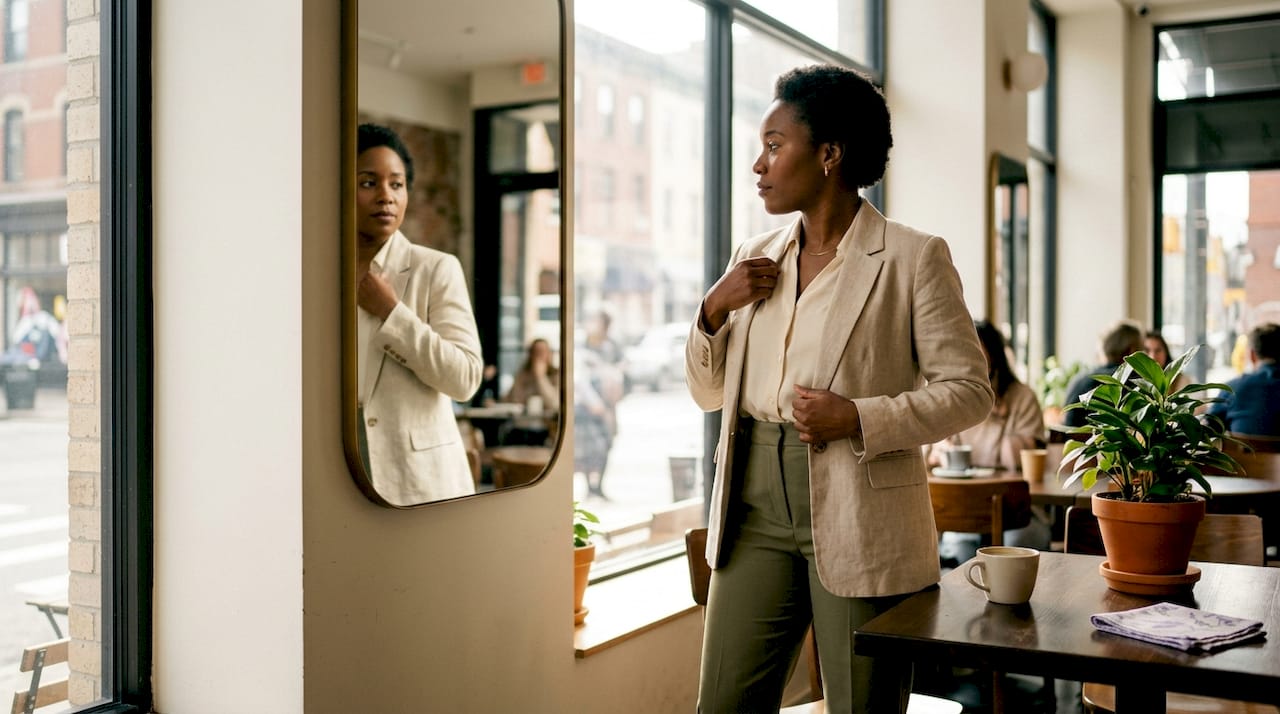
Pro Tip: Before you leave the house, sit on your blazer lapels for a full minute. This simple trick helps the lapels lay flat and stops the collar from popping during meetings.
How do you dress casually for different office cultures?
Every office has its own unwritten dress code, and reading it correctly is the most important styling skill you can develop. According to Corporette, the most effective workwear approach is observing your specific office culture rather than following generic rules. When you are unsure, polish consistently beats casual. Erring on the side of formality protects your professional reputation.
Here is a practical way to calibrate your outfits by office type:
- Traditional corporate offices. Stick to tailored trousers, structured blazers, and button-up shirts. Dark-wash jeans may work on Fridays, but keep the rest of the outfit sharp.
- Creative or tech offices. You have more room to play. Wide-leg trousers, printed blouses, and statement loafers all fit here. The goal is still polished, just with more personality.
- Client-facing roles. Dress one step above your internal standard. If your colleagues wear jeans, you wear trousers. If they wear trousers, you wear a blazer.
- Hybrid or remote-first teams. On in-office days, treat the occasion like a client meeting. Your appearance signals engagement and seriousness.
Seasonal adjustments matter just as much as dress code. During high-temperature months, switching to breathable fabrics like linen or cotton keeps tailored looks appropriate without overheating. A linen blazer in a neutral tone, paired with wide-leg cotton trousers, works beautifully from june through september. For colder months, layering a fitted turtleneck under a blazer adds warmth without bulk. Check the seasonal clothing guide from Wildflowerwardrobe for a full breakdown by season.
Footwear shifts with the season too. In summer, open-toe flats or mules in leather or suede read professional without feeling heavy. In winter, ankle boots with a low block heel pair well with midi skirts and tailored trousers.
Pro Tip: Keep a lightweight cardigan at your desk year-round. Air conditioning in summer can be brutal, and a cardigan over a sleeveless blouse solves the problem without ruining your outfit.
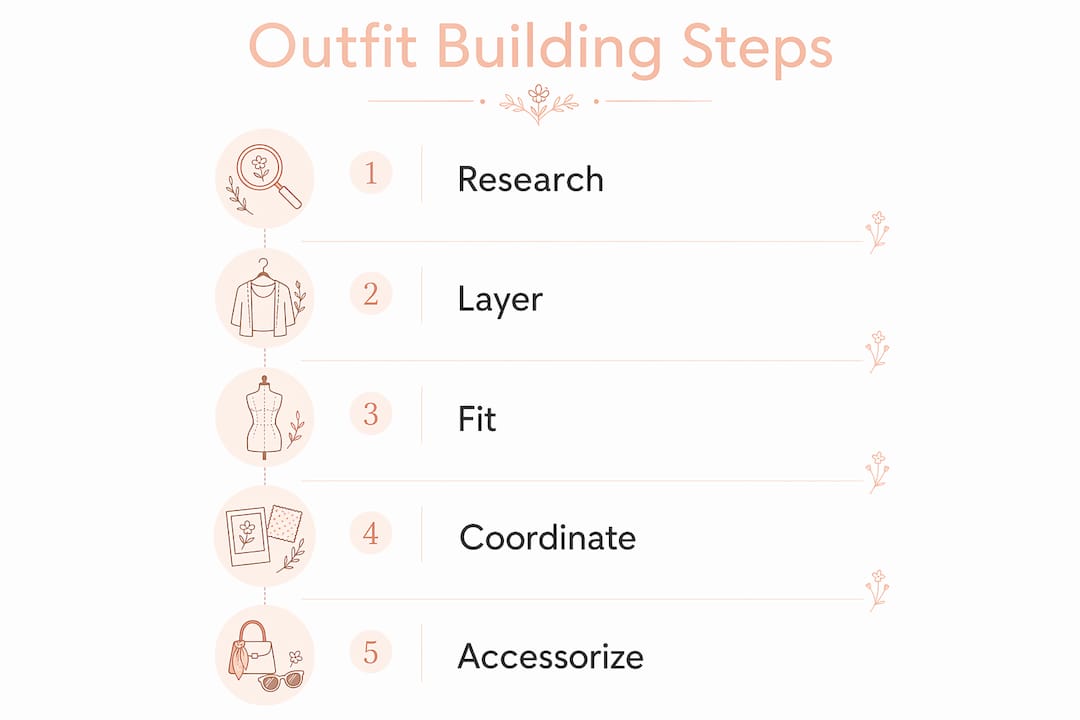
How do you build a casual work outfit step by step?
Building a reliable office casual outfit takes about three minutes once you know the formula. Start with one polished anchor piece, then build outward. The anchor is usually your most structured item, whether that is a blazer, a tailored trouser, or a midi skirt.
Follow these steps each morning:
- Choose your anchor piece. Pick the most structured item you plan to wear. This sets the formality level for the whole outfit.
- Add a complementary top or bottom. If your anchor is a blazer, pair it with a simple blouse or fitted turtleneck. If your anchor is a midi skirt, add a tucked-in button-up.
- Apply the column of color technique. Wearing one color from shoulder to hem, such as all navy or all camel, creates a long, lean line that reads polished instantly. This works especially well with monochromatic trouser and blouse combinations.
- Add one casual element intentionally. Dark-wash jeans with a structured blazer and crisp blouse is a classic business casual outfit idea. The jeans are the casual element, but the blazer and blouse keep it office-appropriate.
- Check the overall silhouette. Stand back and look at the full outfit. One piece should be fitted and one can be relaxed. Avoid wearing two oversized pieces together.
Common mistakes to avoid:
- Wearing sneakers with otherwise polished outfits. Even clean white sneakers read as too casual in most offices.
- Choosing fabrics that wrinkle or pill after a few hours. Polyester blends often look great at 9 AM and tired by noon.
- Ignoring fit. A $30 blouse that fits perfectly looks better than a $200 one that does not.
- Forgetting about proportion. Cropped tops need high-waisted bottoms. Oversized tops need fitted bottoms.
For job interviews and first days, always dress one level above the standard you observed during your research. Skip jeans and sneakers entirely, even if the company has a casual daily dress code. First impressions carry real weight in career advancement.
Pro Tip: An oversized blazer must have shoulder seams that align with your natural frame. If the seam hangs past your shoulder, the outfit reads sloppy rather than fashion-forward. Size down or get it tailored.
How do accessories complete a casual work outfit?
Accessories are the fastest way to shift a casual outfit into polished territory. The right bag, belt, or piece of jewelry signals that your look was intentional, not accidental. The wrong accessories pull the whole outfit down.
Focus on these categories:
- Shoes. Leather loafers, pointed-toe flats, and low block heels are the most versatile professional options. If comfort is a priority, look for styles with cushioned insoles. The guide to daily wear shoes from YDA UK covers how to find styles that balance comfort and a polished appearance.
- Bags. A structured tote or shoulder bag in leather or faux leather keeps your look professional. Avoid canvas totes with logos or backpacks unless your office culture specifically supports them.
- Belts. A thin leather belt in black or tan cinches a blazer or cardigan at the waist and adds definition to looser silhouettes.
- Jewelry. Keep it simple and intentional. A linked pendant necklace or small hoop earrings add polish without distraction. Avoid anything that makes noise when you move or catches on your clothing.
The rule for office accessories is one statement piece per outfit. If you wear a bold necklace, keep earrings small. If you carry a structured bag with hardware details, skip the layered bracelets. This approach keeps your look put-together rather than busy.
Flexible dress codes place a strong emphasis on polished appearance as a key factor in projecting confidence and representing your organization well. Accessories are where that polish lives in a casual outfit.
What I’ve learned about dressing well for work every day
The conversation around workwear has shifted significantly. Offices have relaxed their dress codes, but the expectation of looking intentional has not gone away. If anything, it has gotten harder. When the rules are looser, the responsibility for looking polished falls entirely on you.
Successful business casual is less about following rigid rules and more about curating pieces that balance comfort with intention. That framing changed how I think about getting dressed. A great work outfit is not a performance. It is a daily habit built on a small number of pieces you genuinely like wearing.
The women I see dressing well for work consistently are not buying more. They are buying better. They invest in classic wardrobe staples that hold their shape, fit well, and work across seasons. They also trust their own style within the boundaries of their office culture. That combination of self-awareness and intentionality is what separates a great work wardrobe from a stressful one.
— Patrick
Wildflowerwardrobe’s picks for polished casual workwear
Wildflowerwardrobe carries a curated selection of women’s casual wear built for exactly the kind of versatile, office-ready dressing this article covers. The collection includes polished bottoms, layering pieces, and structured tops that move from desk to after-work without missing a beat.
The accessories selection at Wildflowerwardrobe is worth a close look too. The Fame Multi Belt Strap Accent Shoulder Bag pairs well with tailored trousers and a blazer, and the Starburst Gold-Plated Earrings and Necklace Set adds the kind of quiet polish that completes a casual work outfit without overpowering it. Browse the full collection to find pieces that fit your office culture and personal style.
FAQ
What is business casual attire for women in 2026?
Business casual attire is defined as clothing that sits between formal suiting and everyday casual wear. 41% of U.S. workers now dress this way, with core pieces including structured blazers, polished bottoms, and professional leather footwear.
Can I wear jeans to work in a casual office?
Dark-wash jeans without distressing or fraying qualify as business casual in most offices. Pair them with a structured blazer and a crisp blouse to keep the overall look polished and office-appropriate.
What fabrics work best for casual office outfits?
Wool blends and ponte knit hold their shape through a full workday and work well in cooler months. Linen and cotton are the best choices for summer office wear because they breathe well while still looking tailored.
How do I dress for a job interview at a casual company?
Always dress one level above the standard daily dress code you observed. Skip jeans and sneakers entirely during the interview process, even if employees wear them every day. Polish signals professional seriousness.
What accessories work best for casual work outfits?
A structured leather bag, a simple pendant necklace, and clean leather loafers or flats are the most reliable choices. Keep to one statement piece per outfit and avoid anything that makes noise or creates visual clutter.
Key Takeaways
Styling casual outfits for work requires five core wardrobe pieces, intentional color coordination, and accessories that add polish without distraction.
| Point | Details |
|---|---|
| Five core pieces | A blazer, button-up, polished bottoms, cardigan, and leather footwear cover most office casual needs. |
| Office culture first | Observe your specific workplace before deciding how casual to go; when in doubt, dress more formally. |
| Seasonal fabric swaps | Switch to linen and cotton in summer and wool blends in winter to stay comfortable and polished year-round. |
| Accessories add polish | One structured bag, simple jewelry, and clean leather shoes complete a casual outfit without overwhelming it. |
| Dress up for first impressions | On interviews and first days, skip jeans and sneakers entirely and dress one level above the daily standard. |
0 comments